

Do cored wires have a longer lifespan in dry environments?
As a seasoned supplier of cored wires, I've often been asked a question that delves deep into the technical and practical aspects of our products: Do cored wires have a longer lifespan in dry environments? In this blog, I'll draw on my years of experience and industry knowledge to explore this topic comprehensively.
Understanding Cored Wires
Before we dive into the impact of dry environments on cored wires, let's first understand what cored wires are. Cored wires are composite welding wires that consist of a metal sheath filled with various alloying elements or flux materials. These wires are widely used in welding applications due to their ability to provide high deposition rates, excellent weld quality, and flexibility in adjusting the chemical composition of the weld metal.
The performance and lifespan of cored wires are influenced by several factors, including the quality of the raw materials, the manufacturing process, and the operating conditions. One of the most critical operating conditions is the environment in which the cored wires are stored and used.
The Role of Moisture in Cored Wire Degradation
Moisture is one of the primary enemies of cored wires. When cored wires are exposed to a humid environment, several negative effects can occur.
Firstly, moisture can cause corrosion of the metal sheath. The metal sheath of cored wires is typically made of steel or other metals that are susceptible to rusting in the presence of water and oxygen. Corrosion weakens the structure of the wire, making it more prone to breakage during the welding process. This not only affects the welding performance but also shortens the usable lifespan of the cored wire.
Secondly, moisture can react with the flux or alloying elements inside the cored wire. Many flux materials are hygroscopic, meaning they absorb moisture from the air. When this happens, the chemical composition of the flux can change, leading to poor arc stability, increased spatter, and reduced weld quality. In addition, the reaction between moisture and alloying elements can result in the formation of oxides or other compounds that may negatively impact the mechanical properties of the weld metal.
Benefits of Dry Environments for Cored Wires
In contrast, dry environments offer several advantages for cored wires, which can contribute to a longer lifespan.
Reduced Corrosion Risk
In a dry environment, the lack of moisture significantly reduces the risk of corrosion of the metal sheath. Without the presence of water and oxygen, the metal remains stable, and the structural integrity of the wire is maintained. This means that the cored wire is less likely to break during welding, allowing for a more consistent and reliable welding process.
Stable Chemical Composition
Dry conditions help to preserve the chemical composition of the flux and alloying elements inside the cored wire. Since there is no moisture to react with these materials, their properties remain unchanged, ensuring optimal arc stability, minimal spatter, and high-quality welds. As a result, the cored wire can be used more effectively over a longer period.
Prevention of Oxidation
Oxidation is another process that can degrade the performance of cored wires. In a humid environment, the presence of moisture can accelerate the oxidation of the alloying elements, leading to a decrease in their effectiveness. In a dry environment, however, the oxidation rate is significantly reduced, allowing the alloying elements to retain their original properties and contribute to the desired mechanical properties of the weld metal.
Case Studies and Real-World Examples
Over the years, I've witnessed numerous cases where the storage and use of cored wires in dry environments have led to improved performance and longer lifespans.
For example, a manufacturing company that used our cored wires for welding steel structures initially stored the wires in a warehouse with high humidity levels. They experienced frequent wire breakage, poor weld quality, and increased production costs due to rework. After implementing a dehumidification system in the warehouse to maintain a dry environment, they noticed a significant improvement in the performance of the cored wires. The wire breakage rate decreased, the weld quality improved, and the overall lifespan of the cored wires increased, resulting in cost savings and higher productivity.
Another case involved a construction project in a desert region. The contractor used our cored wires for on-site welding. The dry climate in the desert provided an ideal environment for the cored wires. They reported that the wires performed exceptionally well, with minimal spatter and excellent arc stability throughout the project. The long lifespan of the cored wires also reduced the need for frequent wire replacements, saving time and money.
Other Factors Affecting Cored Wire Lifespan
While dry environments play a crucial role in extending the lifespan of cored wires, it's important to note that other factors also contribute to their overall performance and durability.
Quality of Raw Materials
The quality of the raw materials used in the manufacturing of cored wires is fundamental. High-quality metal sheaths and flux materials are more resistant to corrosion and chemical degradation, regardless of the environment. At our company, we source the best raw materials to ensure the superior quality of our cored wires.
Manufacturing Process
The manufacturing process also has a significant impact on the lifespan of cored wires. Precise control of the filling process, the compaction of the flux or alloying elements, and the quality of the welding seam can all affect the performance and durability of the wires. Our state-of-the-art manufacturing facilities are equipped with advanced technology to ensure the consistent quality of our cored wires.
Proper Handling and Storage
Even in a dry environment, proper handling and storage of cored wires are essential. Cored wires should be stored in a clean, dry place, away from direct sunlight and sources of heat. They should also be protected from physical damage during transportation and storage.
Related Products and Their Applications
In addition to cored wires, we also offer a range of related products that are used in the welding and alloying industries.
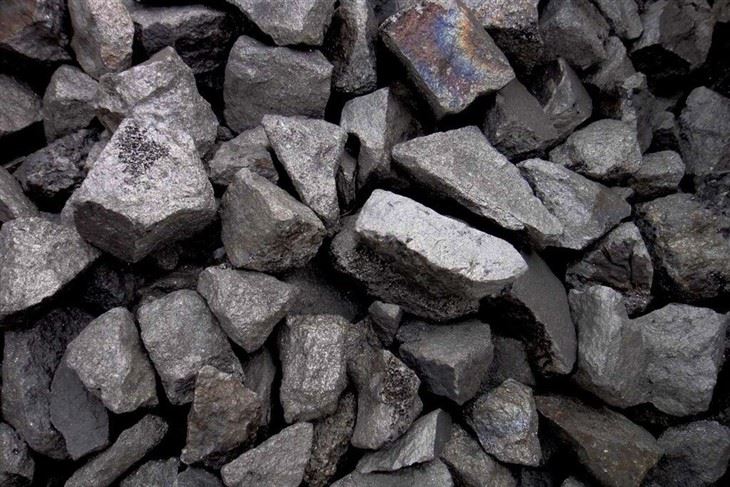
Manganese Metal is an important alloying element that is widely used in the production of steel and other alloys. It improves the strength, hardness, and wear resistance of the alloys. Our high-quality manganese metal is suitable for various applications, including welding, casting, and alloy manufacturing.
Aluminium Magnesium Alloy Powder is another product that we supply. This alloy powder is used in the production of lightweight alloys, which are widely used in the aerospace, automotive, and electronics industries. The combination of aluminium and magnesium provides excellent strength-to-weight ratio and corrosion resistance.
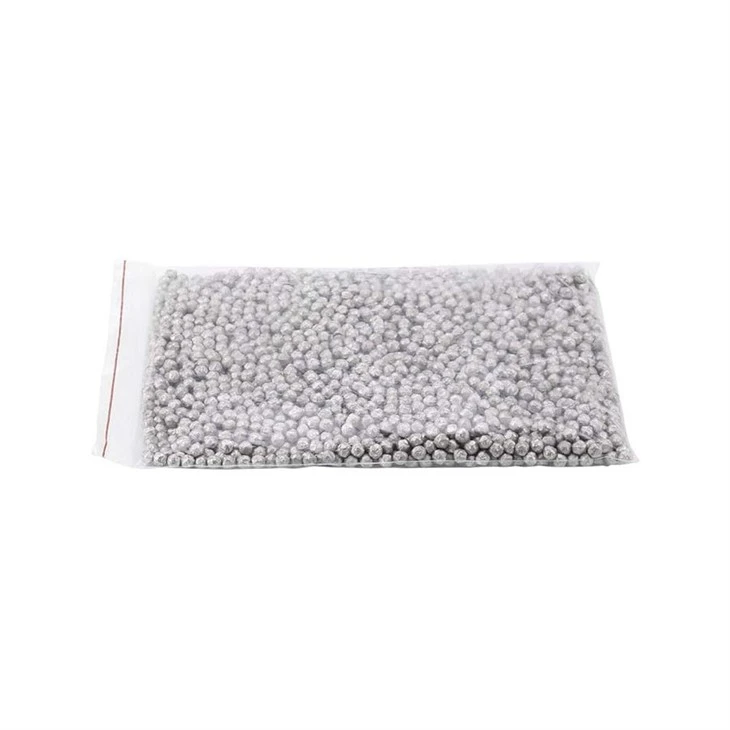
500g Magnesium Metal Bead 99.99% Pure Mg Metal Granules Small Beads 6mm For Alloy Material Manufacture DIY Crafts Decoration is a versatile product that can be used in alloy material manufacture, DIY crafts, and decoration. The high purity of the magnesium metal ensures its excellent performance in various applications.
Conclusion
In conclusion, cored wires do have a longer lifespan in dry environments. The absence of moisture reduces the risk of corrosion, preserves the chemical composition of the flux and alloying elements, and prevents oxidation, all of which contribute to improved performance and durability. However, it's important to consider other factors such as the quality of raw materials, the manufacturing process, and proper handling and storage to ensure the optimal lifespan of cored wires.
If you're interested in learning more about our cored wires or any of our other products, or if you have any questions regarding the storage and use of cored wires in different environments, please feel free to contact us. We're always ready to provide you with the best solutions and support for your welding and alloying needs.
References
- Welding Handbook, American Welding Society
- Corrosion Science and Engineering, various academic journals
- Industry reports on the welding and alloying industries