

How are abrasives manufactured?
Abrasives are essential materials used in various industries for cutting, grinding, polishing, and finishing. As an abrasives supplier, I am often asked about the manufacturing process of these crucial products. In this blog post, I will take you through the journey of how abrasives are manufactured, from raw materials to the finished products.
Raw Materials Selection
The first step in manufacturing abrasives is selecting the right raw materials. The most common raw materials for abrasives include aluminum oxide, silicon carbide, and diamond. Each material has its unique properties, making it suitable for different applications.
Aluminum oxide is one of the most widely used abrasive materials. It is known for its high hardness, toughness, and heat resistance. Aluminum oxide abrasives are commonly used in grinding, sanding, and polishing applications. The raw material for aluminum oxide abrasives is bauxite, a naturally occurring ore. Bauxite is mined from the earth and then refined to produce alumina (aluminum oxide).
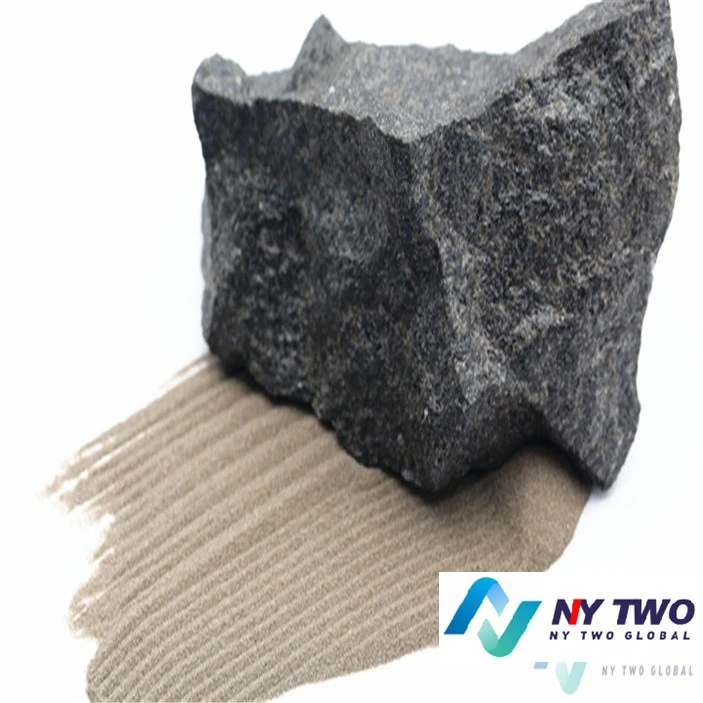
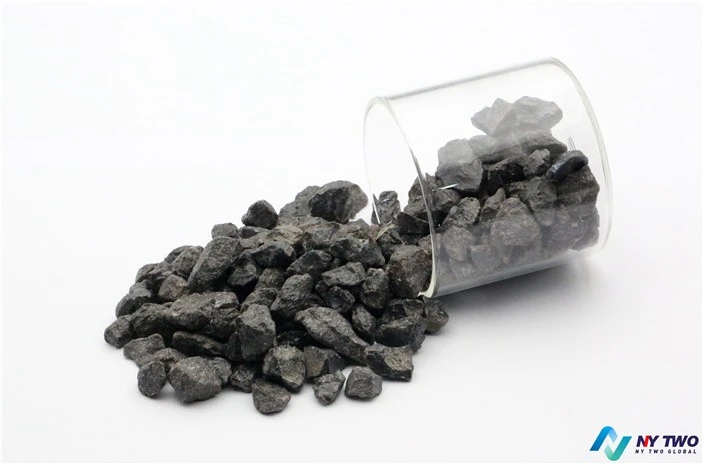
Silicon carbide is another popular abrasive material. It is harder than aluminum oxide and has excellent thermal conductivity. Silicon carbide abrasives are often used in applications where high cutting efficiency and heat dissipation are required, such as cutting and grinding of hard metals and ceramics. The raw materials for silicon carbide abrasives are silica sand and coke. These materials are heated in an electric furnace to produce silicon carbide.
Diamond is the hardest known material and is used in high - performance abrasive applications. Synthetic diamonds are commonly used in abrasives manufacturing due to their cost - effectiveness. The raw materials for synthetic diamonds are graphite and a catalyst metal. Under high pressure and high temperature conditions, graphite is transformed into diamond.
Manufacturing Processes
Fused Abrasives
Fused abrasives are made by melting the raw materials in an electric arc furnace. For example, in the production of Fused Alumina Brown Powder, bauxite is mixed with coke and iron filings and then heated in an electric arc furnace at temperatures above 2000°C. During the melting process, impurities are removed, and the molten material is then cooled and solidified. The solidified material is crushed, screened, and classified into different grain sizes.
The properties of fused abrasives can be further enhanced through additional treatments. For instance, Heated & Ceramic Coated Brown Fused Alumina Oxide is produced by coating brown fused alumina with a ceramic layer. This coating improves the abrasive's cutting performance, durability, and resistance to wear.
Bonded Abrasives
Bonded abrasives are made by bonding abrasive grains together with a bonding agent. The bonding agents can be vitrified (glass - like), resinoid (synthetic resin), or metal. In the manufacturing process of bonded abrasives, abrasive grains are mixed with the bonding agent and other additives. The mixture is then shaped into the desired form, such as wheels, discs, or blocks, through a process called pressing.
After pressing, the bonded abrasives are cured or fired. Vitrified bonded abrasives are fired at high temperatures to develop the glass - like bond. Resinoid bonded abrasives are cured at lower temperatures to harden the resin. Metal bonded abrasives are sintered at high temperatures to form a strong metal bond.
Coated Abrasives
Coated abrasives consist of abrasive grains coated on a flexible backing material, such as paper, cloth, or film. The manufacturing process of coated abrasives starts with applying a make coat (a layer of adhesive) on the backing material. Abrasive grains are then electrostatically or mechanically deposited onto the make coat. After the abrasive grains are in place, a size coat (another layer of adhesive) is applied to secure the grains.
The backing material can be treated with various chemicals to improve its strength, flexibility, and resistance to moisture. Coated abrasives are available in different shapes and sizes, such as sheets, belts, and discs, and are widely used in woodworking, metalworking, and automotive industries.
Superabrasives
Superabrasives, such as diamond and cubic boron nitride (CBN), are used in high - precision and high - performance applications. The manufacturing of superabrasive products involves special techniques. For example, in the production of diamond - coated tools, diamond powder is mixed with a binder and then applied to the tool substrate through processes like electroplating or brazing.
Quality Control
Quality control is a critical aspect of abrasives manufacturing. At every stage of the manufacturing process, strict quality control measures are implemented to ensure that the final products meet the required standards.
The raw materials are carefully inspected for purity, particle size, and other properties. During the manufacturing process, in - process inspections are carried out to monitor factors such as temperature, pressure, and chemical composition. The finished products are tested for hardness, grain size distribution, cutting performance, and other key parameters.
For example, the hardness of abrasives is measured using hardness testing equipment, and the grain size distribution is determined through sieving and laser diffraction techniques. Cutting performance tests are conducted on test specimens to evaluate the abrasive's ability to cut, grind, or polish materials.
Applications of Abrasives
Abrasives have a wide range of applications in various industries. In the metalworking industry, abrasives are used for grinding, cutting, and finishing metal parts. They are used to remove excess material, improve surface finish, and achieve the desired dimensional accuracy.
In the woodworking industry, coated abrasives are used for sanding and finishing wood products. They help to smooth the wood surface, remove scratches, and prepare the surface for painting or staining.
In the automotive industry, abrasives are used in the manufacturing and maintenance of vehicles. They are used for grinding engine components, polishing body parts, and sharpening cutting tools.
The Role of Spinel in Abrasives
Spinel is a mineral that can play an important role in abrasives. The Effect And Function Of Spinel in abrasives is significant. Spinel can be added to abrasive materials to improve their hardness, toughness, and cutting performance. It can also enhance the wear resistance of abrasives, reducing the frequency of replacement.
Spinel can act as a reinforcement phase in the abrasive structure. When added to aluminum oxide abrasives, for example, it can increase the abrasive's ability to withstand high stresses during cutting and grinding operations.
Conclusion
The manufacturing of abrasives is a complex and precise process that involves careful selection of raw materials, advanced manufacturing techniques, and strict quality control. As an abrasives supplier, I am committed to providing high - quality abrasives that meet the diverse needs of our customers.
Whether you are in the metalworking, woodworking, automotive, or any other industry that requires abrasives, we have the right products for you. Our range of abrasives, including fused abrasives, bonded abrasives, coated abrasives, and superabrasives, are designed to deliver excellent performance and durability.
If you are interested in our abrasives products or have any questions about abrasives manufacturing, please feel free to contact us for procurement and further discussions. We look forward to working with you to meet your abrasive needs.
References
- ASTM International. Standards related to abrasives testing and quality control.
- Modern Abrasives Manufacturing Technology Handbook.
- Journal of Abrasive Technology for research on new materials and manufacturing processes.