

How does Black Silicon Carbide improve the cutting efficiency of wire saws?
In the realm of cutting and abrasive applications, the efficiency of wire saws is a critical factor that can significantly impact productivity and cost - effectiveness. Black silicon carbide, a material that my company supplies, plays a pivotal role in enhancing the cutting efficiency of wire saws. This blog post aims to explore how black silicon carbide achieves this remarkable feat.
Understanding Black Silicon Carbide
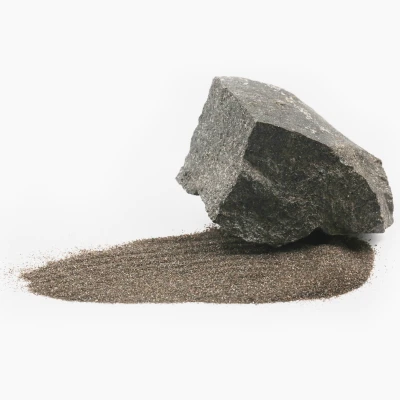
Black silicon carbide (SiC) is a synthetic mineral produced through the Acheson process, where silica sand and petroleum coke are heated at high temperatures (around 2200 - 2500°C) in an electric resistance furnace. The resulting product is a hard, sharp, and chemically stable material.
The chemical composition of black silicon carbide typically consists of over 95% SiC, with small amounts of free carbon, silica, and other impurities. Its crystal structure gives it unique physical and chemical properties. It has a Mohs hardness of around 9.2 - 9.3, which is second only to diamond and cubic boron nitride. This high hardness allows it to cut through a wide range of materials, from brittle ceramics to tough metals.
Mechanisms of Improving Cutting Efficiency
Abrasive Action
The primary way black silicon carbide improves the cutting efficiency of wire saws is through its abrasive action. When incorporated into the wire saw system, the sharp edges of black silicon carbide particles act as tiny cutting tools. As the wire saw moves across the workpiece, these particles grind away the material, creating small chips and debris.
The hardness of black silicon carbide ensures that it can withstand the high pressures and frictional forces generated during the cutting process. Unlike softer abrasives, it does not wear down quickly, which means that the wire saw can maintain its cutting ability for a longer period. This reduces the frequency of tool replacement and downtime, thereby increasing overall productivity.
For example, in the cutting of silicon wafers for the semiconductor industry, black silicon carbide - based wire saws can make precise cuts with minimal surface damage. The sharp particles of black silicon carbide can penetrate the hard silicon material, cutting through it smoothly and efficiently.
Heat Dissipation
Cutting processes generate a significant amount of heat, which can have several negative effects on the wire saw and the workpiece. Excessive heat can cause the wire to become brittle and break, and it can also lead to thermal damage to the workpiece, such as cracking or warping.
Black silicon carbide has good thermal conductivity, which allows it to dissipate heat effectively. During the cutting process, the black silicon carbide particles absorb and transfer the heat away from the cutting zone. This helps to keep the temperature of the wire saw and the workpiece within acceptable limits.
By maintaining a lower temperature, the wire saw can operate more stably, and the quality of the cut is improved. For instance, in the cutting of optical glass, where thermal stability is crucial to avoid optical distortion, black silicon carbide - enhanced wire saws can dissipate heat efficiently, resulting in high - quality cuts.
Self - Sharpening
Another important feature of black silicon carbide is its self - sharpening ability. As the particles wear during the cutting process, new sharp edges are continuously exposed. This ensures that the wire saw maintains a consistent cutting performance over time.
In contrast, some other abrasives may become dull after a short period of use, leading to a decrease in cutting efficiency. The self - sharpening nature of black silicon carbide means that the wire saw can continue to cut effectively without the need for frequent re - sharpening or adjustment. This is particularly beneficial in long - term cutting operations, such as the continuous cutting of large - scale metal blocks.
Comparison with Other Abrasives
To better understand the advantages of black silicon carbide in improving wire saw cutting efficiency, it is useful to compare it with other commonly used abrasives.
Brown Fused Alumina
Brown fused alumina (BFA) is another popular abrasive in the industry. It is known for its toughness and relatively low cost. However, when it comes to cutting efficiency, black silicon carbide has some distinct advantages.
The hardness of black silicon carbide is higher than that of brown fused alumina. This allows black silicon carbide to cut through harder materials more easily. In addition, black silicon carbide has a more angular and sharp particle shape, which gives it a better cutting ability.
5 Advantages Of Brown Fused Alumina provides more information on the properties of brown fused alumina, but it is clear that for applications where high - speed cutting of hard materials is required, black silicon carbide is often the better choice.
Brown fused alumina is also less effective in heat dissipation compared to black silicon carbide. The lower thermal conductivity of BFA can lead to higher temperatures during cutting, which may affect the performance of the wire saw. Brown Fused Alumina Is Called The Teeth Of Industry discusses the general applications of BFA, but black silicon carbide offers better heat management in wire saw systems.
Moreover, the self - sharpening ability of black silicon carbide is superior to that of brown fused alumina. Brown fused alumina may lose its cutting edge more quickly, requiring more frequent replacement or re - dressing of the wire saw. Chemical Composition And Properties Of BFA details the chemical aspects of BFA, but black silicon carbide's self - sharpening characteristic gives it an edge in maintaining long - term cutting efficiency.
Applications in Different Industries
Black silicon carbide - enhanced wire saws are widely used in various industries due to their high cutting efficiency.
Semiconductor Industry
In the semiconductor industry, the cutting of silicon wafers requires high precision and minimal damage. Black silicon carbide - based wire saws can meet these requirements. The sharp particles of black silicon carbide can make fine cuts, and their self - sharpening ability ensures consistent cutting quality. This is crucial for the production of high - performance semiconductor devices.
Stone Cutting
For the cutting of natural stone, such as marble and granite, black silicon carbide - enhanced wire saws can cut through the hard stone materials efficiently. The heat dissipation ability of black silicon carbide helps to prevent thermal damage to the stone, resulting in smooth and clean cuts.
Glass Cutting
In the glass industry, black silicon carbide - enhanced wire saws are used to cut various types of glass, including optical glass and tempered glass. The precise cutting and thermal stability provided by black silicon carbide ensure high - quality glass products.
Conclusion
Black silicon carbide is a highly effective material for improving the cutting efficiency of wire saws. Through its abrasive action, heat dissipation, and self - sharpening ability, it can enhance the performance of wire saws in a wide range of applications. Compared to other abrasives like brown fused alumina, it offers several distinct advantages, such as higher hardness, better heat management, and superior self - sharpening.
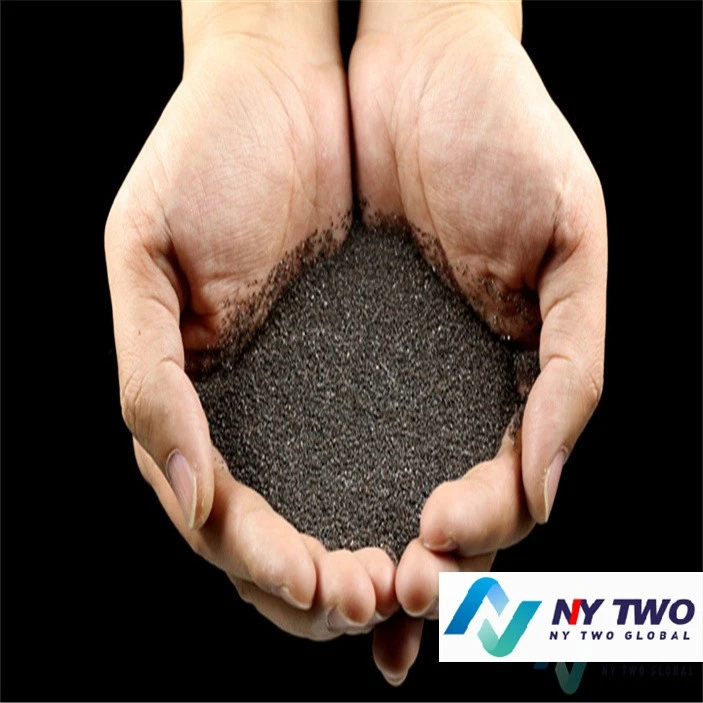
If you are looking to improve the cutting efficiency of your wire saw operations, I encourage you to consider using black silicon carbide from our company. Our high - quality black silicon carbide products are available in various particle sizes and grades to meet your specific needs. Contact us to discuss your requirements and explore how our black silicon carbide can optimize your cutting processes.
References
- Smith, J. (2018). Abrasive Materials and Their Applications. New York: Industrial Press.
- Jones, A. (2020). Cutting Technologies in the Manufacturing Industry. London: Elsevier.
- Chen, L. (2019). Advances in Wire Saw Cutting for Semiconductor Materials. Journal of Semiconductor Manufacturing, 22(3), 123 - 135.