

How are cored wires manufactured?
Hey there! I'm a supplier of cored wires, and today I'm gonna take you through the whole process of how cored wires are manufactured. It's a pretty interesting journey, from raw materials to the final product that you can use in various industries.
Step 1: Selecting the Raw Materials
The first and most crucial step in making cored wires is picking the right raw materials. These materials are the building blocks that determine the properties and performance of the final cored wire.
We usually start with a metal strip, which serves as the outer sheath of the cored wire. This strip is typically made of steel, and its quality is super important. The steel needs to be strong enough to hold the core material together and withstand the conditions during the manufacturing process and later use.
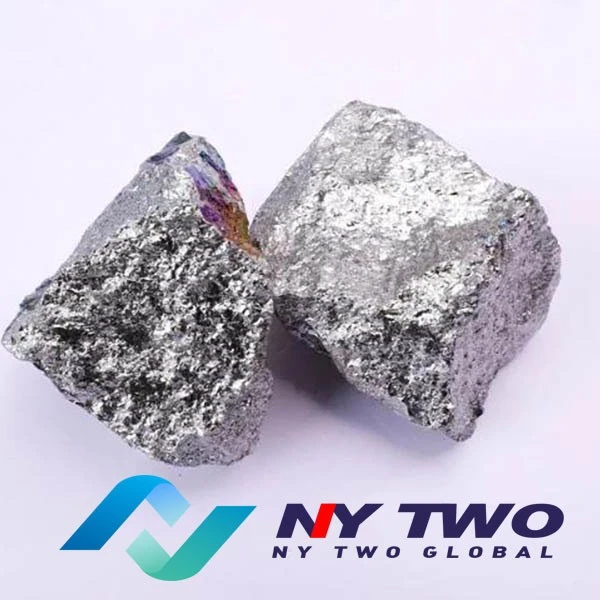
Now, let's talk about the core material. The core can be made up of a variety of substances, depending on the intended application of the cored wire. For example, if the cored wire is for welding, the core might contain Medium Carbon Ferromanganese. This alloy helps improve the strength and toughness of the weld. Other common core materials include fluxes, which help clean the metal surface during welding and prevent oxidation, and deoxidizers, which remove oxygen from the molten metal.
Step 2: Preparing the Core Material
Once we've selected the core materials, it's time to prepare them. This involves grinding and mixing the different components to get a uniform blend. The grinding process ensures that the particles are small and of a consistent size, which is important for the proper functioning of the cored wire.
We use specialized equipment to mix the core materials thoroughly. This could be a high - speed mixer or a blender, depending on the quantity and nature of the materials. The goal is to make sure that every part of the core has the same composition, so the cored wire performs consistently throughout its length.
Step 3: Forming the Metal Strip
After the core material is ready, we turn our attention to the metal strip. The strip is fed into a forming machine, which shapes it into a U - shaped channel. This U - shape is essential because it will later hold the core material.
The forming machine uses a series of rollers to gradually bend the strip into the desired shape. The rollers are carefully calibrated to ensure that the U - shape has the right dimensions and is uniform along the length of the strip. This step requires precision, as any irregularities in the U - shape can affect the quality of the final cored wire.
Step 4: Filling the Core
Once the metal strip is formed into a U - shaped channel, it's time to fill it with the prepared core material. We use a filling system that evenly distributes the core material into the channel. This system is designed to control the amount of core material being added, so we can achieve the right core - to - sheath ratio.
The filling process is a delicate one. If too much core material is added, the cored wire might be too thick or have an uneven distribution of the core. On the other hand, if too little core material is added, the cored wire might not perform as expected. So, we constantly monitor and adjust the filling process to ensure the best results.
Step 5: Closing the Cored Wire
After the core material is filled into the U - shaped channel, the next step is to close the cored wire. The forming machine continues to work on the strip, gradually folding the edges of the U - shape over the core material until they meet and are joined together.
This sealing process is crucial for keeping the core material inside the wire and protecting it from external factors. We use different methods to seal the edges, such as welding or crimping, depending on the type of cored wire and the requirements of the application.
Step 6: Drawing and Sizing
Once the cored wire is closed, it goes through a drawing process. Drawing involves pulling the wire through a series of dies, which gradually reduce its diameter. This not only gives the cored wire its final size but also improves its mechanical properties.
As the wire is drawn, the metal becomes more dense and the structure becomes more uniform. This results in a stronger and more durable cored wire. After drawing, the wire is sized to the exact specifications. We use precision measuring tools to ensure that the wire meets the required diameter and other dimensional requirements.
Step 7: Quality Control
Quality control is an essential part of the manufacturing process. At every stage, we conduct various tests to ensure that the cored wire meets the highest standards.
We perform chemical analysis to check the composition of the core material and the outer sheath. This helps us verify that the wire has the right properties for its intended use. We also test the mechanical properties of the wire, such as its tensile strength, ductility, and hardness.
In addition, we conduct visual inspections to look for any surface defects, such as cracks or unevenness. Any cored wire that doesn't meet our quality standards is rejected and either re - worked or discarded.
Step 8: Packaging
Once the cored wire passes all the quality control tests, it's ready for packaging. We package the cored wire in a way that protects it during transportation and storage.
The wire is usually wound onto spools or coils, which are then placed in boxes or drums. We use protective materials, such as plastic bags or wrappers, to prevent the wire from getting damaged by moisture, dust, or other environmental factors.
Applications of Cored Wires
Cored wires have a wide range of applications in different industries. In the welding industry, they are used for various types of welding, including gas - shielded arc welding and submerged arc welding. They can also be used in the foundry industry to improve the quality of castings.
In the metallurgical industry, cored wires are used for Properties Of Magnesium treatment and alloying. They can add specific elements to the metal, enhancing its properties and making it more suitable for different applications.
Why Choose Our Cored Wires
As a supplier of CORED WIRES, we take pride in offering high - quality products. Our manufacturing process is designed to ensure that every cored wire we produce meets the strictest standards.
We use the latest technology and equipment in our production facilities, which allows us to produce cored wires with consistent quality and performance. Our team of experts is always available to provide technical support and advice, so you can be sure that you're getting the right cored wire for your specific needs.
If you're in the market for cored wires, whether for welding, foundry work, or any other application, we'd love to hear from you. We can provide you with samples and detailed information about our products. Contact us today to start a conversation about your requirements and how we can help you find the perfect cored wire solution.
References
- "Handbook of Welding Processes"
- "Metallurgy for Dummies"
- Industry - specific research papers on cored wire manufacturing