

How do abrasives affect the electrical conductivity of materials?
Abrasives are a crucial component in various industrial processes, from metalworking to electronics manufacturing. Their influence on the electrical conductivity of materials is a topic of significant interest, especially for industries where electrical properties play a vital role. As an abrasives supplier, I have witnessed firsthand the impact of different abrasives on the electrical characteristics of materials. In this blog, I will explore how abrasives affect the electrical conductivity of materials and discuss the implications for various applications.
Understanding Abrasives and Electrical Conductivity
Before delving into the relationship between abrasives and electrical conductivity, it's essential to understand what abrasives are and how electrical conductivity is defined. Abrasives are materials used to wear away, grind, or polish other materials. They come in various forms, including natural minerals like diamond and corundum, as well as synthetic materials such as silicon carbide and aluminum oxide. Electrical conductivity, on the other hand, is the measure of a material's ability to conduct an electric current. It is determined by the presence of free electrons or ions that can move through the material.
Mechanisms of Abrasive Action and Electrical Conductivity
The action of abrasives on a material can affect its electrical conductivity in several ways. One of the primary mechanisms is through surface modification. When an abrasive is used to grind or polish a material, it removes a thin layer of the surface, altering its topography and chemical composition. This can expose new surfaces with different electrical properties or change the distribution of conductive elements within the material.
For example, in the case of metals, abrasion can remove surface oxides or contaminants that may act as insulators, improving the electrical conductivity. On the other hand, excessive abrasion can also damage the crystal structure of the metal, creating defects that impede the flow of electrons and reduce conductivity.
Another way abrasives can affect electrical conductivity is through the introduction of foreign particles. Some abrasives, such as silicon carbide, can leave behind small particles on the surface of the material being abraded. These particles can act as conductive or insulating elements, depending on their nature and distribution. If the particles are conductive, they can increase the overall conductivity of the material by providing additional pathways for electron flow. Conversely, if the particles are insulating, they can reduce conductivity by blocking the flow of electrons.
Types of Abrasives and Their Impact on Electrical Conductivity
Different types of abrasives have varying effects on the electrical conductivity of materials. Let's take a closer look at some common abrasives and their characteristics:
Aluminum Oxide
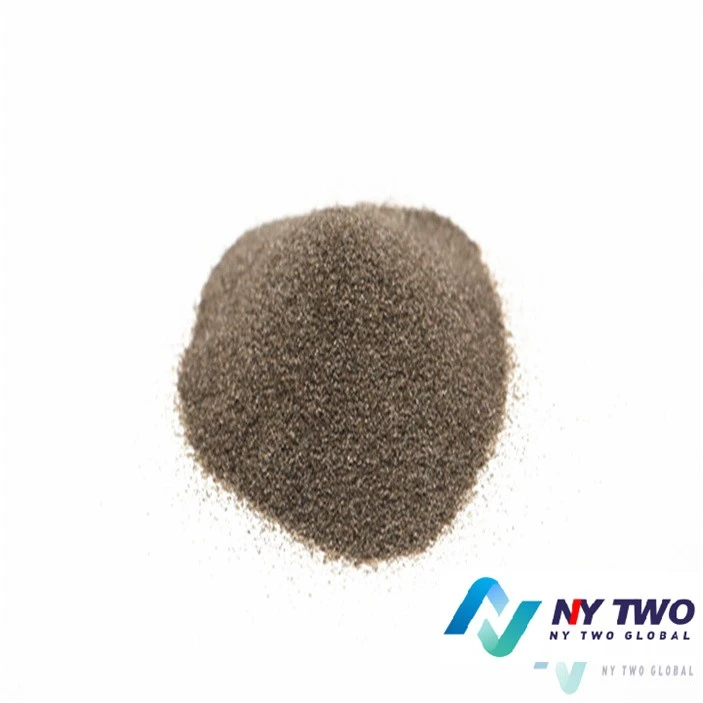
Aluminum oxide is one of the most widely used abrasives due to its hardness, durability, and availability. It comes in different forms, including brown fused aluminum oxide and white fused aluminum oxide. Brown fused aluminum oxide is a cost - effective abrasive with good cutting ability. It is often used for general grinding and polishing applications. When used on conductive materials like metals, brown fused aluminum oxide can remove surface impurities and improve electrical conductivity. You can find more information about Brown Fused Aluminum Oxide(grain Size Sand).
White fused aluminum oxide, on the other hand, is a purer form of aluminum oxide with higher hardness and better finish quality. It is commonly used in applications where a fine surface finish is required, such as in the electronics industry. While it can also improve the surface cleanliness of conductive materials, its impact on electrical conductivity may be more subtle compared to brown fused aluminum oxide.
Silicon Carbide
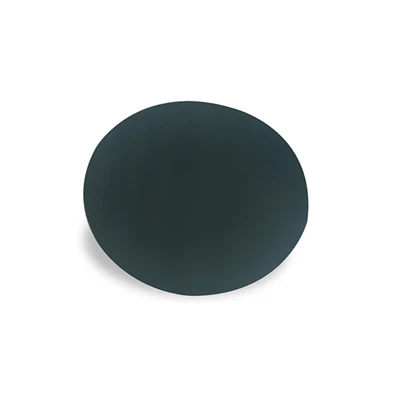
Silicon carbide is a very hard and sharp abrasive with excellent thermal conductivity. It is often used for grinding hard and brittle materials, such as ceramics and semiconductors. When used on silicon carbide ceramic wafers, the abrasive action can affect the electrical properties of the wafer. For instance, improper grinding can introduce micro - cracks or surface damage, which can alter the electrical conductivity and performance of the semiconductor device. You can view more details about Silicon Carbide Ceramic Wafer.
Silicon carbide abrasives can also leave behind silicon carbide particles on the surface of the material. If these particles are not properly removed, they can act as conductive or insulating elements, depending on their size and distribution. In some cases, the presence of silicon carbide particles can improve the electrical conductivity of a material by providing additional conductive pathways.
Diamond
Diamond is the hardest known material and is used as an abrasive in high - precision applications, such as optical lens grinding and semiconductor wafer polishing. When used on conductive materials, diamond abrasives can provide a very smooth and clean surface finish. This can enhance the electrical conductivity by reducing surface roughness and improving the contact between the material and other conductive components.
However, diamond abrasives are very expensive, and their use is typically limited to applications where high precision and quality are required. Additionally, the use of diamond abrasives requires specialized equipment and expertise to ensure proper operation and avoid damage to the material.
Applications and Considerations
The impact of abrasives on electrical conductivity has significant implications for various industries. In the electronics industry, for example, the electrical conductivity of materials is crucial for the performance of electronic devices. Abrasives are used in the manufacturing of printed circuit boards (PCBs), semiconductor wafers, and other electronic components to achieve the desired surface finish and electrical properties.
When selecting an abrasive for an application where electrical conductivity is important, several factors need to be considered. These include the type of material being abraded, the desired surface finish, the level of precision required, and the cost - effectiveness of the abrasive. It is also important to ensure that the abrasive process does not introduce any contaminants or damage that could negatively affect the electrical conductivity of the material.
In the metalworking industry, abrasives are used to improve the surface quality and electrical conductivity of metals. For example, in the production of electrical contacts, abrasives are used to remove surface oxides and ensure good electrical contact. The choice of abrasive and the abrasive process parameters need to be carefully controlled to achieve the optimal balance between surface finish and electrical conductivity.
Conclusion
In conclusion, abrasives can have a significant impact on the electrical conductivity of materials through surface modification, the introduction of foreign particles, and other mechanisms. Different types of abrasives, such as aluminum oxide, silicon carbide, and diamond, have varying effects on electrical conductivity, depending on their properties and the nature of the material being abraded.
As an abrasives supplier, I understand the importance of providing high - quality abrasives that meet the specific needs of different applications. Whether you are in the electronics industry, metalworking industry, or any other field where electrical conductivity is a concern, I can offer a wide range of abrasives to help you achieve the desired results. If you are interested in learning more about our abrasives or discussing your specific requirements, please feel free to contact me for procurement discussions. I am committed to providing you with the best solutions and support to ensure the success of your projects.
References
- ASTM International. (20XX). Standard test methods for electrical conductivity of materials.
- Smith, J. (20XX). Abrasive technology and its impact on material properties. Journal of Materials Science.
- Jones, A. (20XX). The role of abrasives in the electronics industry. Electronics Manufacturing Review.