

How does Alloy work?
As a trusted alloy supplier, I've had the privilege of witnessing firsthand the remarkable properties and intricate functionality of alloys in various industries. Alloys are not just simple mixtures; they are carefully engineered materials designed to meet specific performance requirements. In this blog, I'll delve into the science behind how alloys work, their unique advantages, and explore some of the popular alloy products we offer.
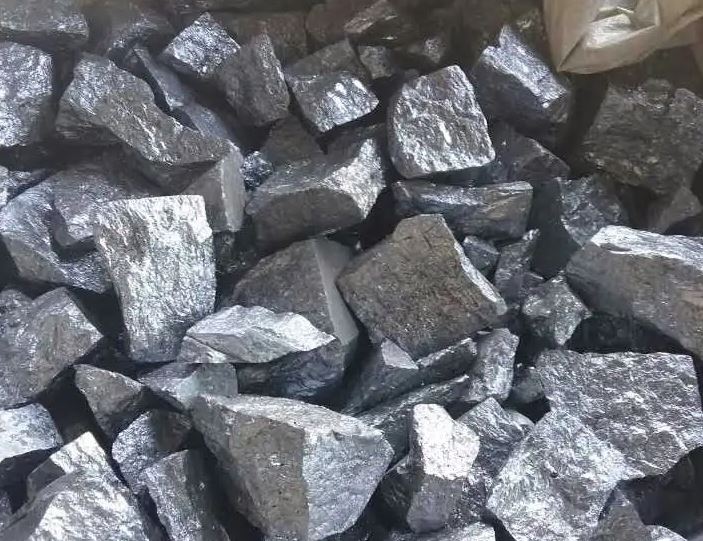
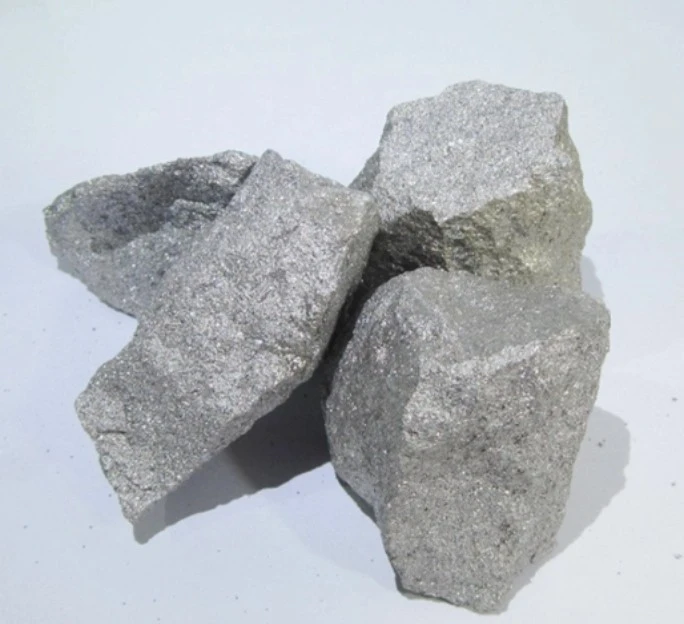
The Basics of Alloys
At its core, an alloy is a mixture of two or more elements, with at least one being a metal. This combination is not a random blend but a precisely controlled process that results in a material with enhanced properties compared to its individual components. The most common way to create an alloy is by melting the base metal and then adding other elements in specific proportions. This molten mixture is then cooled and solidified, forming a new material with a distinct crystal structure.
The addition of alloying elements can significantly alter the physical and chemical properties of the base metal. For example, adding carbon to iron creates steel, which is much stronger and more durable than pure iron. Other common alloying elements include chromium, nickel, manganese, and silicon, each contributing its own unique set of properties to the alloy.
How Alloys Work at the Atomic Level
To understand how alloys work, it's essential to look at the atomic structure. In a pure metal, the atoms are arranged in a regular, repeating pattern called a crystal lattice. This structure gives metals their characteristic properties, such as high electrical conductivity and malleability. However, pure metals often have limitations in terms of strength, hardness, and corrosion resistance.
When alloying elements are added to a base metal, they can disrupt the regular crystal lattice structure. Some alloying elements may substitute for the base metal atoms in the lattice, creating a substitutional alloy. Others may fit into the spaces between the base metal atoms, forming an interstitial alloy. These disruptions in the crystal lattice make it more difficult for the atoms to move past each other, increasing the strength and hardness of the alloy.
For example, in stainless steel, chromium is added to iron. Chromium atoms substitute for some of the iron atoms in the crystal lattice. The chromium forms a thin, protective oxide layer on the surface of the steel, which prevents corrosion and gives stainless steel its characteristic resistance to rust.
Advantages of Alloys
Alloys offer several advantages over pure metals, which is why they are used in a wide range of applications. Some of the key benefits of alloys include:
- Enhanced Strength and Hardness: As mentioned earlier, the addition of alloying elements can significantly increase the strength and hardness of the base metal. This makes alloys ideal for applications where high strength and wear resistance are required, such as in automotive parts, aerospace components, and industrial machinery.
- Improved Corrosion Resistance: Many alloys, such as stainless steel and aluminum alloys, have excellent corrosion resistance. This makes them suitable for use in harsh environments, such as marine applications and chemical processing plants.
- Better Heat Resistance: Alloys can be designed to have high melting points and excellent heat resistance. This makes them ideal for use in high-temperature applications, such as in engines, furnaces, and jet engines.
- Tailored Properties: One of the biggest advantages of alloys is the ability to tailor their properties to meet specific requirements. By adjusting the composition and manufacturing process, alloy producers can create materials with a wide range of properties, from high strength and hardness to low density and high conductivity.
Popular Alloy Products We Offer
As an alloy supplier, we offer a wide range of alloy products to meet the diverse needs of our customers. Here are some of our popular products:
- Ferrochrome: Ferrochrome is an alloy of iron and chromium, with carbon content varying from low to high. It is primarily used in the production of stainless steel and other high - chromium alloys. The chromium in ferrochrome provides corrosion resistance and high - temperature strength, making it an essential component in many industrial applications.
- CORED WIRES: Cored wires are a type of consumable electrode used in welding and surfacing applications. They consist of a metal sheath filled with a flux and alloying elements. The core materials can be customized to provide specific properties, such as improved strength, toughness, and corrosion resistance. Cored wires are widely used in the construction, automotive, and oil and gas industries.
- MAGNESIUM SHAVINGS: Magnesium shavings are a valuable alloying material. Magnesium is a lightweight metal that, when added to other metals, can reduce the overall weight of the alloy while maintaining its strength. Magnesium shavings are commonly used in the production of aluminum alloys, which are widely used in the automotive and aerospace industries due to their high strength - to - weight ratio.
Applications of Alloys
Alloys are used in a vast array of industries, each taking advantage of their unique properties. Here are some examples of alloy applications:
- Automotive Industry: Alloys are used extensively in the automotive industry to improve fuel efficiency, performance, and safety. For example, high - strength steel alloys are used in the construction of car bodies to provide structural integrity, while aluminum alloys are used in engine components to reduce weight.
- Aerospace Industry: The aerospace industry requires materials that are lightweight, strong, and resistant to high temperatures and corrosion. Alloys such as titanium alloys and nickel - based superalloys are commonly used in aircraft engines, airframes, and spacecraft.
- Electronics Industry: Alloys with high electrical conductivity and low resistance are used in the electronics industry. Copper alloys, for example, are used in wiring and connectors, while gold alloys are used in electronic contacts due to their excellent corrosion resistance and conductivity.
- Medical Industry: Alloys are used in the medical industry for a variety of applications, including surgical instruments, dental implants, and prosthetics. For example, titanium alloys are popular for their biocompatibility, meaning they are well - tolerated by the human body.
Conclusion
In conclusion, alloys are a fascinating class of materials that offer a wide range of benefits and applications. By understanding how alloys work at the atomic level, we can appreciate the science behind their enhanced properties and the reasons for their widespread use. As an alloy supplier, we are committed to providing our customers with high - quality alloy products that meet their specific needs.
If you are interested in learning more about our alloy products or have any questions regarding their applications, we invite you to reach out to us for a procurement discussion. Our team of experts is ready to assist you in finding the perfect alloy solution for your project.
References
- ASM Handbook, Volume 2: Properties and Selection: Nonferrous Alloys and Special - Purpose Materials.
- Callister, William D., and David G. Rethwisch. Materials Science and Engineering: An Introduction. Wiley, 2014.
- Van Tyne, Curtis J., and William F. Hosford. Metal Forming: Mechanics and Metallurgy. Cambridge University Press, 2003.