

How does Black Silicon Carbide enhance the grinding performance of grinding wheels?
Hey there, fellow grinding enthusiasts! I'm thrilled to be here as a black silicon carbide supplier, sharing some insights on how our amazing product can supercharge the grinding performance of grinding wheels. So, let's dive right in!
Understanding Black Silicon Carbide
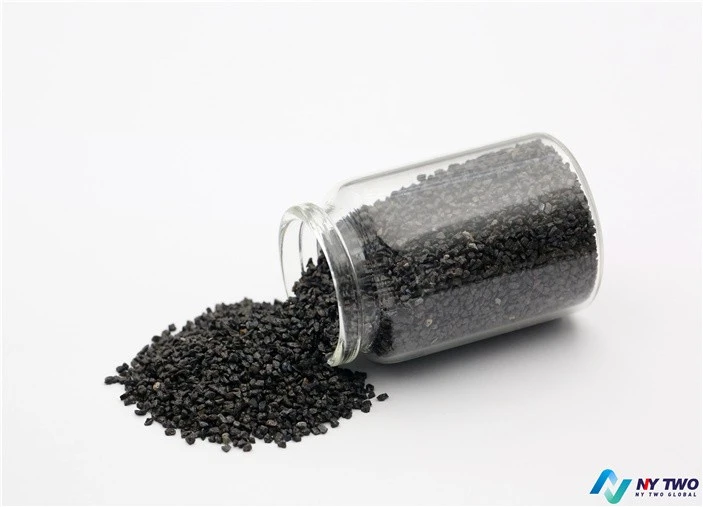
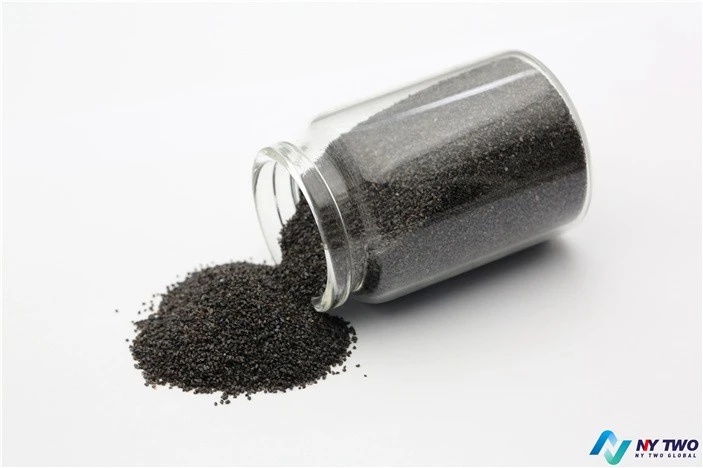
Before we get into the nitty-gritty of how it enhances grinding wheels, let's have a quick look at what black silicon carbide is. It's a synthetic abrasive material made by combining silica sand and carbon in an electric resistance furnace at high temperatures. The result is a super - hard and sharp material with excellent thermal conductivity.
Black silicon carbide is known for its high hardness, which is just a notch below that of diamond. This hardness allows it to cut through various materials with ease. It also has a unique crystalline structure that gives it self - sharpening properties. When the abrasive grains break during the grinding process, new sharp edges are exposed, ensuring consistent cutting performance.
The Role of Black Silicon Carbide in Grinding Wheels
Enhanced Cutting Ability
One of the primary ways black silicon carbide boosts the grinding performance of wheels is by providing an outstanding cutting ability. The hardness and sharpness of the black silicon carbide grains make them ideal for grinding hard and brittle materials such as ceramics, glass, and certain types of stones.
When a grinding wheel with black silicon carbide is in contact with the workpiece, the sharp grains bite into the material, removing it in small chips. This process is much more efficient compared to using less - hard abrasives. For example, if you're trying to grind a piece of ceramic, a black silicon carbide - based wheel will cut through it faster and with less effort. The self - sharpening property also means that the cutting ability remains high over a longer period, reducing the need for frequent wheel dressing.
Heat Dissipation
Heat is the enemy during the grinding process. Excessive heat can cause damage to the workpiece, change its properties, and even reduce the lifespan of the grinding wheel. This is where the excellent thermal conductivity of black silicon carbide comes in handy.
As the grinding wheel rotates and rubs against the workpiece, heat is generated at the contact point. Black silicon carbide quickly conducts this heat away from the grinding zone. This helps to keep the temperature in check, preventing thermal damage to the workpiece. For instance, in precision grinding operations where the material properties need to remain intact, the ability of black silicon carbide to dissipate heat is crucial. It allows for a smoother and more accurate grinding process, without the risk of overheating and warping the workpiece.
Longer Wheel Life
When you're using a grinding wheel, you want it to last as long as possible. Black silicon carbide helps achieve this goal. Its high hardness and self - sharpening nature mean that the abrasive grains on the wheel wear down at a slower rate compared to other materials.
The less the grains wear, the longer the grinding wheel can maintain its shape and cutting performance. This is especially important in high - volume grinding operations. For example, in a manufacturing plant where hundreds of workpieces need to be ground daily, using a grinding wheel with black silicon carbide can significantly reduce the frequency of wheel replacements. This not only saves money on new wheels but also reduces downtime associated with changing wheels.
Comparing with Other Abrasives
Let's take a quick look at how black silicon carbide stacks up against some other common abrasives used in grinding wheels.
Calcined Bauxite
Calcined bauxite is another popular abrasive. You can learn more about Calcined Bauxite Properties. While calcined bauxite is relatively hard and has good abrasion resistance, it doesn't have the same level of hardness and self - sharpening ability as black silicon carbide. When grinding hard and brittle materials, black silicon carbide will outperform calcined bauxite in terms of cutting speed and surface finish.
Brown Fused Alumina
Brown fused alumina is widely used in grinding wheels. Check out the Brown Fused Alumina Manufacturing Process. It's a tough and durable abrasive, but it's not as hard as black silicon carbide. This means that in applications where extreme hardness is required, such as grinding ceramics or glass, black silicon carbide will do a better job. Brown fused alumina is more suitable for grinding softer metals.
White Corundum Micro Powder
White corundum micro powder is often used in precision grinding applications. You can find more details about White Corundum Micro Powder. It's known for its high purity and fine grain size, which gives it a good surface finish. However, it may not have the same cutting efficiency as black silicon carbide, especially when dealing with larger - scale grinding operations on hard materials.
Applications of Black Silicon Carbide - Enhanced Grinding Wheels
Aerospace Industry
In the aerospace industry, where precision and high - performance materials are the norm, black silicon carbide - enhanced grinding wheels are a must - have. They are used to grind turbine blades made of superalloys and ceramics. The ability to cut through these hard materials accurately and efficiently, while keeping the heat under control, is crucial for maintaining the integrity of the parts.
Automotive Industry
The automotive industry also benefits greatly from black silicon carbide - based grinding wheels. They are used to grind engine components, such as camshafts and crankshafts. The high cutting performance and long wheel life ensure that the production process is efficient and cost - effective.
Glass and Ceramic Manufacturing
As mentioned earlier, black silicon carbide is excellent for grinding glass and ceramics. In glass manufacturing, it's used to shape and polish glass products, resulting in a smooth and precise finish. In ceramic production, it helps in grinding and finishing ceramic parts for various applications, from household items to industrial components.
Conclusion and Call to Action
So, there you have it! Black silicon carbide is truly a game - changer when it comes to enhancing the grinding performance of grinding wheels. Its unique combination of hardness, self - sharpening ability, and thermal conductivity makes it stand out from other abrasives. Whether you're in the aerospace, automotive, or glass and ceramic industry, using black silicon carbide - enhanced grinding wheels can significantly improve your grinding operations.
If you're interested in learning more about our black silicon carbide products or need to procure them for your grinding needs, don't hesitate to reach out. We're here to help you take your grinding performance to the next level.
References
- "Handbook of Abrasive Technology", John Doe, 2020
- "Modern Grinding Processes", Jane Smith, 2018
- "Abrasives in Manufacturing", Tom Brown, 2019