

How does Black Silicon Carbide improve the performance of refractories?
Hey there! As a supplier of Black Silicon Carbide, I've seen firsthand how this amazing material can significantly boost the performance of refractories. In this blog, I'll break down the ways Black Silicon Carbide makes refractories better and why it's a game - changer in the industry.
Understanding Refractories
Before we dive into how Black Silicon Carbide works its magic, let's quickly talk about refractories. Refractories are materials that can withstand high temperatures without melting or deforming. They're used in a bunch of industries, like steelmaking, cement production, and glass manufacturing. In these industries, the ability to handle extreme heat is crucial, and that's where good - quality refractories come in.
Key Properties of Black Silicon Carbide
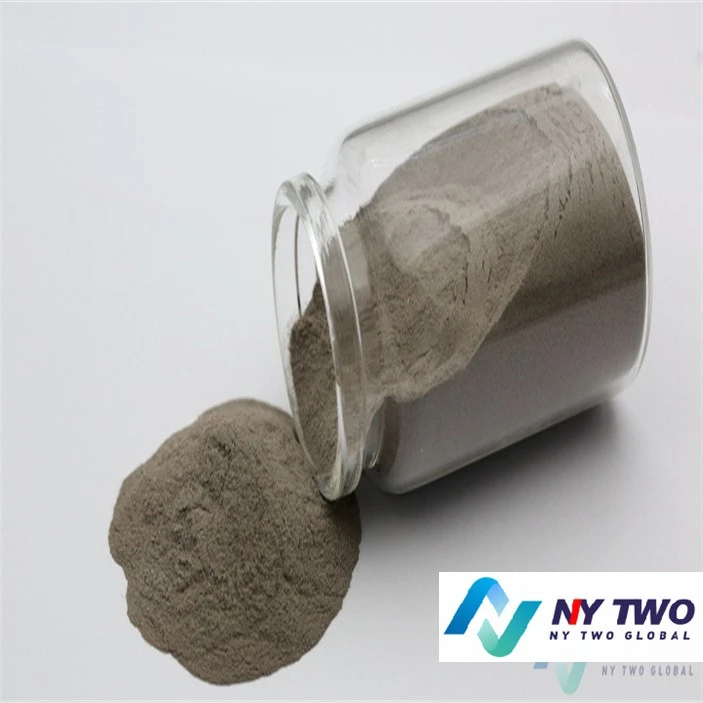
Black Silicon Carbide is a compound made up of silicon and carbon. It has some really cool properties that make it ideal for improving refractories.
High Thermal Conductivity
One of the main things that sets Black Silicon Carbide apart is its high thermal conductivity. In refractories, this is a big deal. When a refractory has good thermal conductivity, it can transfer heat more efficiently. In a steel - making furnace, for example, the heat needs to be evenly distributed. If the refractory can't conduct heat well, there might be hot spots, which can lead to uneven melting of the steel and even damage to the furnace lining. With Black Silicon Carbide in the refractory, heat spreads out more evenly, improving the overall efficiency of the process.
Excellent Hardness and Abrasion Resistance
Refractories often face a lot of wear and tear. In industries like cement production, where there are moving parts and abrasive materials, the refractory lining can get scratched and eroded over time. Black Silicon Carbide is extremely hard, second only to diamond on the Mohs scale of hardness. When it's added to refractories, it forms a tough, wear - resistant surface. This means the refractory can last longer, reducing the need for frequent replacements. It also helps to maintain the integrity of the lining, which is essential for the proper functioning of the equipment.
Chemical Inertness
In many industrial processes, refractories are exposed to various chemicals. These chemicals can react with the refractory material, causing it to break down. Black Silicon Carbide is chemically inert, which means it doesn't react easily with most chemicals. This makes it an excellent addition to refractories used in environments where there are corrosive substances. For instance, in a chemical processing plant, a refractory with Black Silicon Carbide can resist the attack of acids and alkalis, ensuring the long - term stability of the equipment.
How Black Silicon Carbide Improves Refractory Performance
Enhancing Thermal Shock Resistance
Thermal shock is a major problem for refractories. It occurs when there are rapid changes in temperature, like when a furnace is suddenly heated or cooled. These temperature changes can cause the refractory to crack or spall. Black Silicon Carbide helps to improve the thermal shock resistance of refractories. Its high thermal conductivity allows it to quickly adapt to temperature changes, reducing the stress on the material. When a refractory contains Black Silicon Carbide, it can withstand more thermal cycles without getting damaged.
Increasing Strength and Durability
The addition of Black Silicon Carbide to refractories increases their overall strength. As mentioned earlier, its hardness and abrasion resistance contribute to this. In a high - temperature environment, the refractory needs to be strong enough to hold up under pressure. Black Silicon Carbide reinforces the structure of the refractory, making it less likely to break or deform. This not only extends the lifespan of the refractory but also improves the safety and reliability of the industrial equipment.
Improving Oxidation Resistance
In an oxygen - rich environment, refractories can oxidize over time. Oxidation can weaken the refractory and reduce its performance. Black Silicon Carbide forms a protective layer on the surface of the refractory, which slows down the oxidation process. This protective layer acts as a barrier, preventing oxygen from reaching the inner parts of the refractory. As a result, the refractory can maintain its properties for a longer period, even in an oxidative atmosphere.
Applications in Different Industries
Steel Industry
In the steel industry, refractories are used in various parts of the steel - making process, such as in blast furnaces, converters, and ladles. Black Silicon Carbide - enhanced refractories can handle the high temperatures and harsh chemical environments in these furnaces. They help to improve the efficiency of steel production by ensuring uniform heat distribution and reducing the wear and tear on the furnace lining.
Cement Industry
Cement kilns operate at very high temperatures, and the refractories used in them need to be extremely durable. Black Silicon Carbide - containing refractories can resist the abrasion caused by the movement of raw materials and the high - temperature environment. They also help to maintain the structural integrity of the kiln, which is crucial for the continuous production of cement.
Glass Industry
In the glass - making process, refractories are used in glass melting furnaces. The addition of Black Silicon Carbide to these refractories improves their thermal shock resistance and chemical stability. This is important because the glass - melting process involves rapid heating and cooling, and the refractories are exposed to molten glass and various additives.
Comparing with Other Materials
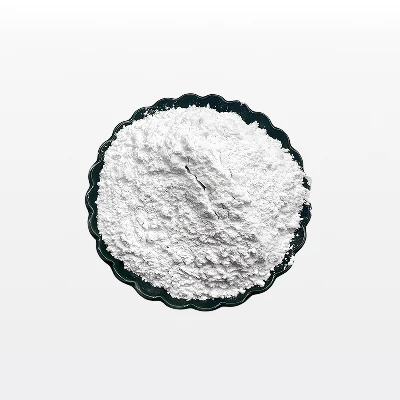
When it comes to improving refractory performance, there are other materials out there, such as Aluminous Soil, Brown Fused Aluminum Is A Highly Versatile And Valuable Material, and Superfine Hydroxide Aluminium. While these materials have their own advantages, Black Silicon Carbide offers unique benefits.
Aluminous soil is a common refractory material, but it may not have the same level of thermal conductivity and abrasion resistance as Black Silicon Carbide. Brown fused aluminum is versatile, but it might not be as chemically inert in some aggressive chemical environments. Superfine hydroxide aluminium has its uses, but it may not provide the same level of thermal shock resistance. Black Silicon Carbide, on the other hand, combines high thermal conductivity, hardness, chemical inertness, and thermal shock resistance, making it a well - rounded choice for improving refractory performance.
Conclusion
In conclusion, Black Silicon Carbide is a remarkable material that can greatly enhance the performance of refractories. Its unique properties, such as high thermal conductivity, hardness, chemical inertness, and thermal shock resistance, make it an ideal addition to refractories used in various industries. Whether it's in the steel, cement, or glass industry, Black Silicon Carbide - enhanced refractories can offer better efficiency, longer lifespan, and improved safety.
If you're in the market for high - quality refractories or looking to improve the performance of your existing ones, I'd love to talk to you. As a supplier of Black Silicon Carbide, I can provide you with the best - quality material and offer advice on how to incorporate it into your refractory products. Don't hesitate to reach out for more information or to start a procurement discussion.
References
- "Handbook of Refractory Materials"
- "Advanced Ceramics and Composites: Materials, Properties, and Applications"
- Industry reports on steel, cement, and glass manufacturing processes.