
How does the Medium Carbon Ferromanganese industry deal with solid waste?
As a supplier of Medium Carbon Ferromanganese, I've witnessed firsthand the challenges and opportunities within the industry, particularly when it comes to managing solid waste. The Medium Carbon Ferromanganese industry plays a crucial role in the steelmaking process, providing essential elements that enhance the strength and durability of steel products. However, the production of Medium Carbon Ferromanganese generates a significant amount of solid waste, which poses environmental and economic challenges. In this blog post, I'll explore how our industry deals with solid waste, the innovative solutions we've adopted, and the importance of sustainable waste management practices.
The Nature of Solid Waste in the Medium Carbon Ferromanganese Industry
The production of Medium Carbon Ferromanganese involves the smelting of manganese ore, iron ore, and other additives in high - temperature furnaces. This process results in the generation of several types of solid waste, including slag, dust, and sludge.
Slag is the most abundant form of solid waste in the Medium Carbon Ferromanganese industry. It is a by - product of the smelting process and consists mainly of oxides of manganese, iron, silicon, and calcium. Slag has a relatively high content of valuable metals, but its complex composition and physical properties make it difficult to process and recycle.
Dust is another significant source of solid waste. It is generated during the mining, transportation, and smelting processes. Dust contains fine particles of manganese, iron, and other metals, which can be harmful to human health and the environment if not properly managed.
Sludge is produced during the wastewater treatment process. It contains a mixture of heavy metals, organic matter, and water. The treatment and disposal of sludge require special attention due to its high moisture content and potential environmental impact.
Current Approaches to Solid Waste Management
Recycling and Reuse
One of the most effective ways to deal with solid waste in the Medium Carbon Ferromanganese industry is through recycling and reuse. For example, slag can be processed and used as a raw material in the production of cement, concrete, and other construction materials. By incorporating slag into these products, we can reduce the demand for natural resources and lower the environmental impact of the construction industry.
Some advanced technologies have been developed to recover valuable metals from slag and dust. These technologies use physical and chemical processes to separate and purify the metals, making them suitable for reuse in the production of Medium Carbon Ferromanganese or other metal products.
Landfill Disposal
Despite efforts to recycle and reuse solid waste, landfill disposal is still a common practice in the Medium Carbon Ferromanganese industry. However, landfill disposal has several drawbacks. It requires a large amount of land, which is becoming increasingly scarce in many regions. Moreover, landfill sites can pose environmental risks, such as groundwater contamination and soil degradation, if not properly managed.
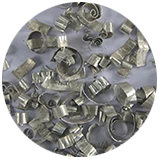
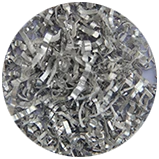
To minimize the environmental impact of landfill disposal, strict regulations and guidelines have been established. These regulations require landfill sites to be lined with impermeable materials to prevent the leakage of contaminants into the soil and groundwater. Additionally, landfill sites must be monitored regularly to ensure compliance with environmental standards.
Waste Treatment and Disposal Technologies
In recent years, there has been a growing interest in developing new waste treatment and disposal technologies for the Medium Carbon Ferromanganese industry. These technologies aim to reduce the volume of solid waste, recover valuable resources, and minimize the environmental impact of waste disposal.
One such technology is pyrometallurgical treatment, which involves heating the solid waste at high temperatures to separate and recover the valuable metals. Another technology is hydrometallurgical treatment, which uses chemical solutions to dissolve and extract the metals from the waste.
Innovative Solutions for Solid Waste Management
Collaboration with Other Industries
Collaboration with other industries is an effective way to find innovative solutions for solid waste management. For example, the Medium Carbon Ferromanganese industry can collaborate with the chemical industry to develop new products from the solid waste. The slag and dust can be used as raw materials in the production of fertilizers, pigments, and other chemical products.
We can also collaborate with the research institutions to develop new technologies for waste treatment and recycling. These collaborations can help us to stay at the forefront of waste management innovation and find more sustainable solutions for our industry.
Circular Economy Approach
The circular economy approach is gaining popularity in the Medium Carbon Ferromanganese industry. This approach aims to keep resources in use for as long as possible, extract the maximum value from them, and recover and regenerate products and materials at the end of their life cycle.
By adopting the circular economy approach, we can design our production processes to minimize waste generation and maximize resource efficiency. For example, we can use closed - loop systems to recycle and reuse the solid waste within our own production facilities.
The Importance of Sustainable Waste Management
Sustainable waste management is essential for the long - term viability of the Medium Carbon Ferromanganese industry. It not only helps to protect the environment but also has economic benefits. By recycling and reusing solid waste, we can reduce the cost of raw materials and energy, improve the efficiency of our production processes, and enhance our competitiveness in the global market.
Moreover, sustainable waste management is crucial for meeting the growing demand for environmentally friendly products. Consumers are becoming more aware of the environmental impact of the products they purchase, and they are increasingly demanding products that are produced in a sustainable manner. By adopting sustainable waste management practices, we can meet the needs of our customers and enhance our brand reputation.
Conclusion
As a supplier of Medium Carbon Ferromanganese, I understand the importance of dealing with solid waste in a sustainable manner. The Medium Carbon Ferromanganese industry faces significant challenges in managing solid waste, but through innovation, collaboration, and the adoption of sustainable practices, we can overcome these challenges.
We have seen the potential of recycling and reusing solid waste, as well as the development of new waste treatment and disposal technologies. By working together with other industries and research institutions, we can find more effective solutions for solid waste management and contribute to the development of a circular economy.
If you are interested in purchasing Medium Carbon Ferromanganese or have any questions about our products and our approach to solid waste management, please feel free to contact us for further discussion and procurement negotiation. We are committed to providing high - quality products and sustainable solutions to meet your needs.
References
- Smith, J. (2018). Waste Management in the Metal Industry. London: Metal Press.
- Jones, A. (2019). Circular Economy and Sustainable Resource Management. New York: Green Publishing.
- Brown, C. (2020). Advanced Technologies for Metal Recovery from Industrial Waste. Berlin: Tech Science.