

How does Brown Fused Alumina compare to diamond in abrasion resistance?
In the world of abrasives, choosing the right material can significantly impact the efficiency and quality of various industrial processes. Two widely recognized abrasives are Brown Fused Alumina and diamond. As a supplier of Brown Fused Alumina, I am often asked how it compares to diamond in terms of abrasion resistance. In this blog, we will delve into the characteristics of both materials, analyze their abrasion resistance, and explore the scenarios where each excels.
Understanding Brown Fused Alumina
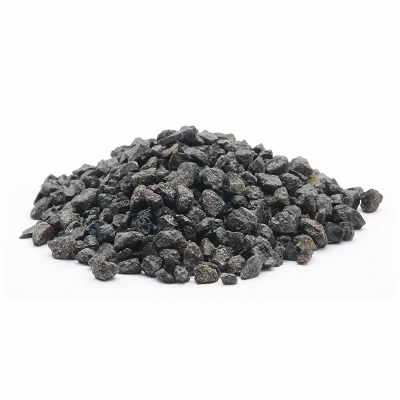
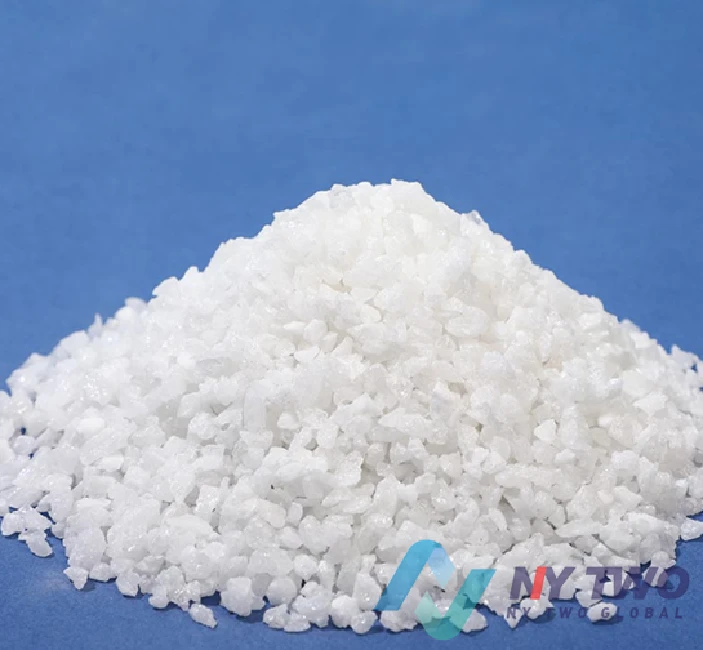
Brown Fused Alumina is a synthetic abrasive made by fusing bauxite in an electric arc furnace at high temperatures. The resulting product is a tough, sharp, and durable abrasive that is widely used in a variety of applications, including grinding, sandblasting, and polishing. It has a high hardness, typically around 9 on the Mohs scale, which makes it suitable for grinding and cutting a wide range of materials, from metals to ceramics.
One of the key advantages of Brown Fused Alumina is its cost - effectiveness. It is significantly less expensive than diamond, making it a popular choice for large - scale industrial applications where cost is a major consideration. Additionally, Brown Fused Alumina is available in a wide range of grain sizes, allowing for precise control over the abrasion process.
For high - temperature applications, High Temperature Brown Fused Alumina Grain is an excellent option. It can withstand extreme heat without losing its abrasive properties, making it ideal for use in industries such as foundries and metalworking.
The Power of Diamond as an Abrasive
Diamond is well - known as the hardest natural material, with a perfect 10 on the Mohs scale. This extreme hardness gives diamond unparalleled abrasion resistance. It can cut through the toughest materials, including hardened steel, carbide, and even other diamonds.
Diamond abrasives are commonly used in applications where precision and high - quality finishes are required. For example, in the jewelry industry, diamond abrasives are used to cut and polish gemstones to a flawless finish. In the semiconductor industry, diamond is used for precision grinding and lapping of silicon wafers.
However, the high cost of diamond is a major drawback. The extraction, processing, and refining of diamond are expensive processes, which makes diamond abrasives significantly more costly than Brown Fused Alumina.
Comparing Abrasion Resistance
When comparing the abrasion resistance of Brown Fused Alumina and diamond, it is important to consider the specific application.
In general, diamond has superior abrasion resistance compared to Brown Fused Alumina. Its extreme hardness allows it to maintain its cutting edge for longer periods, even when working on the toughest materials. For example, when grinding carbide tools, diamond abrasives can remove material much more efficiently and with less wear compared to Brown Fused Alumina.
However, Brown Fused Alumina is more than capable of handling many common abrasion tasks. For applications involving softer materials such as mild steel, aluminum, and wood, Brown Fused Alumina provides excellent abrasion performance at a much lower cost. It can quickly remove material and provide a smooth finish, making it a popular choice in industries such as automotive manufacturing and woodworking.
Another factor to consider is the friability of the abrasive. Friability refers to the tendency of an abrasive grain to fracture under pressure. Brown Fused Alumina has a relatively high friability, which means that as the grain wears down, it fractures to expose new sharp edges. This self - sharpening property allows Brown Fused Alumina to maintain its cutting efficiency over time. Diamond, on the other hand, has a lower friability, which means that it retains its shape for longer but may eventually become dull and require dressing or replacement.
Applications and Suitability
Brown Fused Alumina Applications
- Grinding Wheels: Brown Fused Alumina is commonly used in the manufacturing of grinding wheels for general - purpose grinding. It can be used to grind a variety of materials, including metals, plastics, and composites.
- Sandblasting: In sandblasting operations, Brown Fused Alumina is used to clean and prepare surfaces. It can remove rust, paint, and other contaminants from metal surfaces, leaving a clean and smooth finish.
- Refractory Materials: Tabular Alumina For Thermal Conductivity and Sintered Mullite are often used in combination with Brown Fused Alumina to create high - performance refractory materials. These materials are used in industries such as steelmaking and glass manufacturing, where they need to withstand high temperatures and abrasion.
Diamond Applications
- Precision Machining: Diamond abrasives are essential for precision machining operations such as grinding and lapping of hard materials. They are used in the production of cutting tools, bearings, and other high - precision components.
- Stone Cutting and Polishing: In the stone industry, diamond saw blades and polishing pads are used to cut and polish granite, marble, and other natural stones. Diamond's high abrasion resistance allows for fast and precise cutting, resulting in high - quality finished products.
Making the Right Choice
When deciding between Brown Fused Alumina and diamond, several factors need to be considered:
- Cost: If cost is a major concern, Brown Fused Alumina is the obvious choice. It offers good abrasion performance at a fraction of the cost of diamond.
- Material to be Abraded: For softer materials, Brown Fused Alumina is usually sufficient. For extremely hard materials, diamond is the better option.
- Precision Requirements: If precision and high - quality finishes are required, diamond abrasives may be necessary. However, for general - purpose applications, Brown Fused Alumina can provide satisfactory results.
Conclusion
In conclusion, both Brown Fused Alumina and diamond have their own unique advantages in terms of abrasion resistance. Diamond offers superior performance in terms of hardness and long - term abrasion resistance, especially for high - end and precision applications. However, Brown Fused Alumina is a cost - effective alternative that can handle a wide range of common abrasion tasks.
As a supplier of Brown Fused Alumina, I am confident in the quality and performance of our products. Whether you are looking for an abrasive for general - purpose grinding or high - temperature applications, we have the right solution for you. If you are interested in learning more about our Brown Fused Alumina products or would like to discuss your specific abrasion needs, please feel free to reach out. We are here to help you make the best choice for your application.
References
- "Abrasive Technology Handbook" by R. L. Jackson
- "Industrial Diamond and Related Materials" by E. G. Mainka
- Various industry reports and research papers on abrasives and their applications.