

Can Fused Spinel be used in the petrochemical industry?
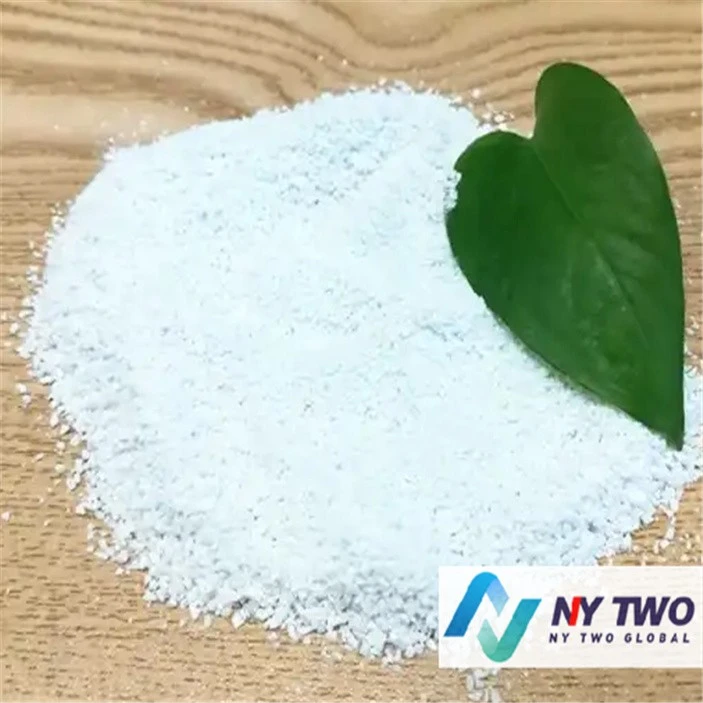
Fused spinel, a synthetic mineral with unique physical and chemical properties, has attracted significant attention in various industrial applications. As a leading supplier of fused spinel, I am often asked whether this material can be used in the petrochemical industry. In this blog post, I will explore the potential of fused spinel in the petrochemical sector, discussing its properties, advantages, and possible applications.
Properties of Fused Spinel
Fused spinel is produced by melting a mixture of high - purity raw materials, typically alumina and magnesia, at extremely high temperatures in an electric arc furnace. The resulting product has a homogeneous crystalline structure, which imparts several remarkable properties.
One of the key properties of fused spinel is its high refractoriness. It can withstand very high temperatures without significant deformation or melting. This makes it suitable for use in environments where exposure to extreme heat is common, such as in the petrochemical industry where high - temperature processes are prevalent.
Fused spinel also exhibits excellent chemical stability. It is resistant to the corrosive effects of many chemicals, including acids, alkalis, and molten metals. In the petrochemical industry, where various corrosive substances are present during the refining and processing of petroleum products, this chemical resistance is a highly desirable characteristic.
Another important property is its thermal shock resistance. The ability to withstand rapid temperature changes without cracking or spalling is crucial in petrochemical operations. For example, during the start - up and shutdown of reactors or furnaces, the temperature can change rapidly, and materials with good thermal shock resistance are essential to ensure the longevity and reliability of the equipment.
Advantages of Using Fused Spinel in the Petrochemical Industry
The properties of fused spinel translate into several advantages when considering its use in the petrochemical industry.
1. Extended Equipment Lifespan
Due to its high refractoriness, chemical stability, and thermal shock resistance, fused spinel can significantly extend the lifespan of equipment in the petrochemical plants. For instance, lining materials made of fused spinel in reactors and furnaces can protect the underlying steel structures from the harsh operating conditions. This reduces the frequency of equipment replacement and maintenance, leading to cost savings for the petrochemical companies.
2. Improved Process Efficiency
Fused spinel's excellent insulation properties can help in maintaining the desired temperature within the petrochemical equipment. In reactors, a stable temperature is crucial for the chemical reactions to proceed efficiently. By using fused spinel as an insulating material, heat loss can be minimized, and the energy consumption of the process can be reduced. This not only improves the overall efficiency of the petrochemical processes but also contributes to environmental sustainability by reducing energy waste.
3. Enhanced Product Quality
In the petrochemical industry, the quality of the final products is of utmost importance. Fused spinel's chemical stability ensures that it does not react with the petroleum products or the catalysts used in the processes. This helps in maintaining the purity of the products and preventing any contamination that could affect their quality.
Possible Applications of Fused Spinel in the Petrochemical Industry
1. Furnace Linings
Petrochemical furnaces are used for various processes, such as cracking, reforming, and distillation. These furnaces operate at high temperatures and are exposed to corrosive gases and liquids. Fused spinel can be used as a lining material for these furnaces. Its high refractoriness and chemical resistance make it an ideal choice to protect the furnace walls from the harsh environment. The thermal shock resistance also ensures that the lining can withstand the rapid temperature changes during the start - up and shutdown of the furnaces.
2. Reactor Linings
Reactors are the heart of many petrochemical processes. They are used for chemical reactions that convert raw materials into valuable products. Fused spinel can be used to line the reactors to protect them from corrosion and thermal stress. The chemical stability of fused spinel ensures that it does not interfere with the chemical reactions taking place inside the reactors, while its thermal shock resistance helps in maintaining the integrity of the lining during the reaction process.
3. Catalyst Supports
Catalysts play a crucial role in petrochemical processes by accelerating the chemical reactions. Fused spinel can be used as a support material for catalysts. Its high surface area and chemical stability make it suitable for anchoring the catalysts and providing a stable environment for the catalytic reactions. The thermal shock resistance of fused spinel also ensures that the catalyst support can withstand the temperature variations during the catalytic process.
4. Insulation in Pipelines
Petrochemical pipelines are used to transport various fluids, including hot petroleum products. Fused spinel can be used as an insulating material for these pipelines. Its excellent insulation properties can help in reducing heat loss during the transportation of the fluids, which is especially important for long - distance pipelines. This not only saves energy but also helps in maintaining the temperature of the fluids within the desired range.
Comparison with Other Materials
In the petrochemical industry, there are other materials that are commonly used for similar applications. For example, Aluminum Oxide Formula is a well - known refractory material. While aluminum oxide has high refractoriness, it may not have the same level of thermal shock resistance as fused spinel. In applications where rapid temperature changes are common, fused spinel may be a better choice.
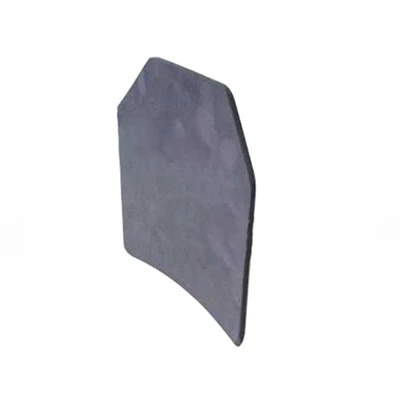
Boron Carbide Sheet is another material with good hardness and wear resistance. However, its chemical stability may not be as high as that of fused spinel in the presence of certain corrosive substances in the petrochemical environment.
Brown Aluminum Oxide is also widely used in the industry. It has good abrasion resistance but may lack the comprehensive properties of fused spinel, such as the combination of high refractoriness, chemical stability, and thermal shock resistance.
Conclusion
In conclusion, fused spinel has great potential for use in the petrochemical industry. Its unique properties, including high refractoriness, chemical stability, thermal shock resistance, and insulation properties, make it suitable for a wide range of applications in petrochemical furnaces, reactors, catalyst supports, and pipelines. The advantages of using fused spinel, such as extended equipment lifespan, improved process efficiency, and enhanced product quality, make it an attractive option for petrochemical companies.
If you are in the petrochemical industry and are looking for high - quality refractory materials, I encourage you to consider fused spinel. As a professional fused spinel supplier, we can provide you with the best - quality products tailored to your specific needs. Whether you need materials for a new petrochemical project or are looking to upgrade your existing equipment, our team of experts can offer you comprehensive solutions. Contact us today to start a discussion about how fused spinel can benefit your petrochemical operations.
References
- "Refractories Handbook" - A comprehensive guide on refractory materials and their applications in various industries.
- "Petrochemical Engineering Principles" - A textbook that covers the fundamental principles of petrochemical processes and the role of materials in these processes.
- Research papers on the properties and applications of fused spinel in industrial settings, available in scientific journals such as "Journal of the American Ceramic Society".