

How does Brown Fused Alumina compare to zirconia alumina in performance?
Hey there! As a supplier of Brown Fused Alumina, I've been getting a lot of questions lately about how it stacks up against zirconia alumina in terms of performance. So, I thought I'd take the time to break it down for you all.
What Are Brown Fused Alumina and Zirconia Alumina?
First things first, let's get the basics out of the way. Brown Fused Alumina is made by fusing high - grade bauxite in an electric arc furnace at extremely high temperatures. This process results in a tough, sharp, and durable abrasive material. It's widely used in various industries, especially in abrasives, refractories, and ceramics. You can find more about its use in refractories here.
On the other hand, zirconia alumina is a composite material that combines alumina and zirconia. It's produced through a special process that gives it unique properties. Zirconia alumina is known for its high toughness and self - sharpening ability, which makes it a popular choice in cutting tools and grinding applications.
Physical and Chemical Properties
Hardness
Brown Fused Alumina has a hardness on the Mohs scale of around 9. This makes it very hard and suitable for grinding and cutting hard materials. It can withstand a lot of pressure during the grinding process without breaking down easily.
Zirconia alumina also has a high hardness, but its toughness gives it an edge in some applications. The combination of alumina and zirconia allows it to maintain its cutting ability even when subjected to high stress. However, in terms of pure hardness, Brown Fused Alumina is right up there.
Grain Shape
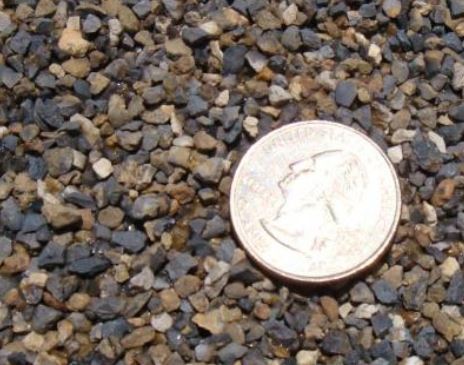
The grain shape of Brown Fused Alumina is typically angular. These sharp grains are great for cutting through materials quickly. When used in abrasive products, the angular grains can dig into the workpiece and remove material efficiently.
Zirconia alumina grains have a more complex shape. They tend to be more rounded and have a self - sharpening effect. As the grains wear during grinding, new sharp edges are exposed, which helps to maintain the cutting performance over time.
Chemical Stability
Brown Fused Alumina is chemically stable. It doesn't react easily with most chemicals, which makes it suitable for use in harsh environments. This stability is especially important in refractory applications, where it needs to withstand high temperatures and chemical corrosion.
Zirconia alumina also has good chemical stability, but it may be more sensitive to certain chemicals compared to Brown Fused Alumina. However, in most industrial applications, this isn't a major issue.
Performance in Different Applications
Abrasive Applications
In grinding wheels, Brown Fused Alumina is a workhorse. It's used for grinding ferrous metals, such as steel. The sharp grains can quickly remove material, and its hardness ensures a long - lasting grinding wheel. For example, in the automotive industry, Brown Fused Alumina is used to grind engine parts and gears.
Zirconia alumina, on the other hand, is often used for grinding high - strength materials like stainless steel and titanium. Its self - sharpening ability allows it to maintain a consistent cutting performance, even when grinding tough materials. This makes it a great choice for precision grinding operations.
Refractory Applications
Brown Fused Alumina is a top choice for refractory products. Its high melting point and chemical stability make it ideal for lining furnaces, kilns, and other high - temperature equipment. You can learn more about a reliable source of materials for refractories from A Reliable Calcined Bauxite Supplier in China. The calcined bauxite is an important raw material for making Brown Fused Alumina, and having a reliable supplier ensures the quality of the final product.
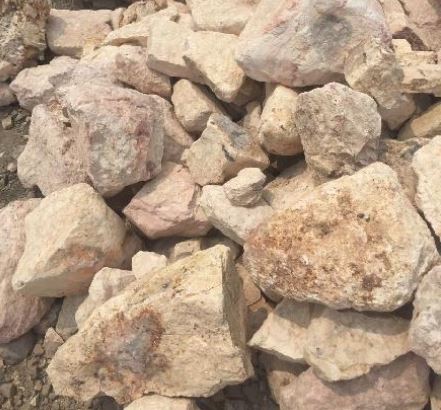
Zirconia alumina is also used in refractories, but to a lesser extent. Its high cost makes it less economical for large - scale refractory applications. However, in some high - end refractory products where toughness and thermal shock resistance are crucial, zirconia alumina may be used.
Ceramic Applications
In the ceramic industry, Brown Fused Alumina is used as a filler and an abrasive. It can improve the mechanical properties of ceramics, such as hardness and wear resistance. It's also used in the production of ceramic tiles and sanitary ware.
Zirconia alumina can be used to make high - performance ceramics. Its unique properties can enhance the strength and toughness of ceramics, making them suitable for applications like dental implants and cutting tools.
Cost - effectiveness
One of the major advantages of Brown Fused Alumina is its cost - effectiveness. It's relatively inexpensive compared to zirconia alumina. This makes it a popular choice for industries where cost is a major factor. For large - scale manufacturing operations, using Brown Fused Alumina can significantly reduce production costs without sacrificing too much in terms of performance.
Zirconia alumina is more expensive due to its complex manufacturing process and the cost of raw materials. However, in applications where its unique properties are essential, the higher cost may be justified. For example, in high - precision grinding operations, the improved performance of zirconia alumina can lead to better quality products and higher productivity.
Conclusion
So, how does Brown Fused Alumina compare to zirconia alumina in performance? Well, it really depends on the application. Brown Fused Alumina is a reliable and cost - effective option for many industrial applications, especially in abrasives and refractories. Its hardness, chemical stability, and affordability make it a popular choice.
Zirconia alumina, on the other hand, offers unique properties like self - sharpening and high toughness, which make it ideal for high - performance applications. However, its higher cost may limit its use in some industries.
If you're in the market for Brown Fused Alumina, I'd love to talk to you about your specific needs. Whether you're in the abrasive, refractory, or ceramic industry, I can provide you with high - quality Brown Fused Alumina products. Just reach out, and we can discuss how we can work together to meet your requirements.
References
- "Industrial Abrasives Handbook"
- "Refractory Materials: Properties and Applications"
- "Ceramics: Science and Technology"