

How does Fused Magnesia affect the performance of induction furnace linings?
Fused magnesia is a high - quality refractory material, and I'm a supplier of this amazing stuff. Today, I want to talk about how fused magnesia affects the performance of induction furnace linings.
1. What is Fused Magnesia?
Fused magnesia is made by melting high - purity magnesite in an electric arc furnace at extremely high temperatures. This process results in a product with a high melting point, usually above 2800°C. It has excellent chemical stability and high refractoriness, which makes it a top - choice material for many high - temperature applications, especially in induction furnace linings.
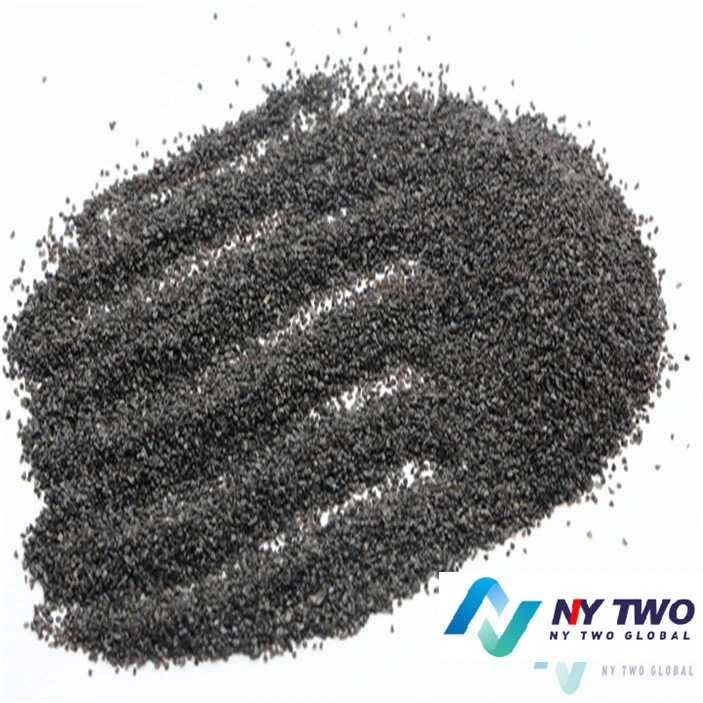
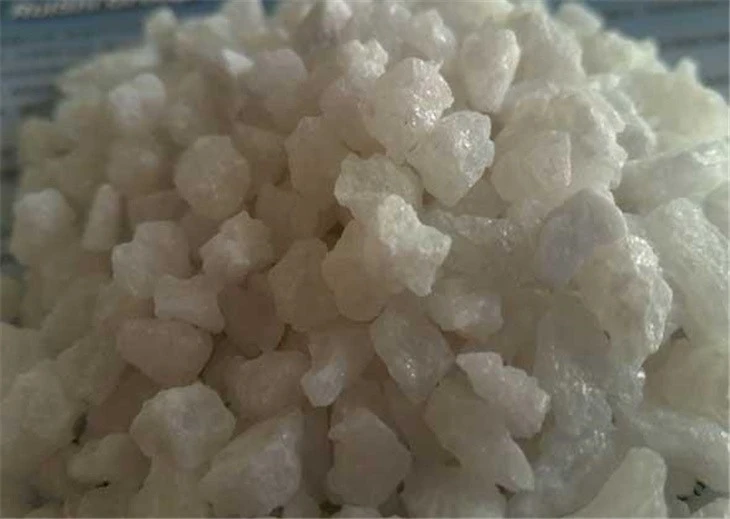
If you're interested in other related materials, White fused alumina and brown fused alumina are two distinct types of alumina can give you more insights into different refractory materials.
2. Impact on Thermal Resistance
One of the most important aspects of induction furnace linings is their ability to withstand high temperatures. Fused magnesia has a very high melting point, as I mentioned earlier. When used in the lining of an induction furnace, it can resist the intense heat generated during the melting process.
The furnace operates at temperatures that can easily reach over 1600°C for melting metals like steel. Fused magnesia can maintain its structural integrity at these high temperatures, preventing the lining from melting or deforming. This is crucial because any damage to the lining can lead to leakage of molten metal, which is not only dangerous but also costly in terms of lost materials and production downtime.
3. Chemical Resistance
Induction furnaces are used to melt various metals, and these metals often contain different chemical elements. Some of these elements can be highly reactive at high temperatures. Fused magnesia has excellent chemical resistance, which means it can resist the corrosion and chemical attack from the molten metals and their by - products.
For example, when melting steel, there are often sulfur and phosphorus impurities in the metal. These elements can react with the lining material if it's not chemically resistant. Fused magnesia forms a stable chemical structure that can prevent these reactions from occurring, thus extending the lifespan of the furnace lining.
If you want to know more about the chemical applications of refractory materials, About Refractory And Ceramic Applications is a great resource.
4. Mechanical Strength
The lining of an induction furnace is subject to mechanical stress during the charging and discharging of metals, as well as the agitation caused by the electromagnetic field in the furnace. Fused magnesia provides good mechanical strength to the lining.
It can withstand the impact of heavy metal charges being dropped into the furnace and the forces generated by the movement of the molten metal. This mechanical strength helps to keep the lining intact and reduces the risk of cracking or spalling. Cracks in the lining can allow molten metal to seep through, which is a serious safety hazard and can also damage the furnace itself.
5. Insulation Properties
Good insulation is essential for an induction furnace. Fused magnesia has relatively low thermal conductivity, which means it can act as an effective insulator. By reducing the heat transfer from the molten metal to the outside of the furnace, it helps to conserve energy.
When the furnace is well - insulated, less energy is required to maintain the high temperatures needed for melting metals. This not only saves on energy costs but also improves the overall efficiency of the furnace.
6. Influence on Furnace Efficiency
All of the above factors combined contribute to the overall efficiency of the induction furnace. A lining made with fused magnesia can operate at higher temperatures for longer periods without significant damage. This allows for more continuous production and reduces the frequency of furnace shutdowns for lining repairs or replacements.
With a longer - lasting lining, the furnace can be used more effectively, and the production capacity can be increased. Additionally, the energy savings from the insulation properties of fused magnesia also add to the cost - effectiveness of the furnace operation.
7. Quality and Purity of Fused Magnesia
The quality and purity of fused magnesia also play a significant role in determining its performance in the induction furnace lining. Higher - purity fused magnesia generally has better properties.
For example, if the fused magnesia contains a high level of impurities, these impurities can react with the molten metal or reduce the chemical and thermal stability of the lining. As a supplier, I always ensure that the fused magnesia I provide is of high purity, which guarantees better performance for the induction furnace linings.
If you're also interested in other related products, Manufacturer Of Magnesium Powder might offer some relevant information.
8. Installation and Maintenance
Proper installation of the fused magnesia lining is crucial. If the lining is not installed correctly, it can lead to premature failure. The installation process should follow strict guidelines to ensure a uniform and dense lining.
Maintenance is also important. Regular inspections of the lining can help to detect any signs of wear or damage early. If there are minor damages, they can be repaired in a timely manner to prevent further deterioration.
As a supplier, I can provide some guidance on the installation and maintenance of the fused magnesia lining to ensure that it performs at its best in your induction furnace.
Conclusion
In conclusion, fused magnesia has a profound impact on the performance of induction furnace linings. Its high thermal resistance, chemical resistance, mechanical strength, insulation properties, and contribution to furnace efficiency make it an ideal material for this application.
If you're in the market for a reliable refractory material for your induction furnace lining, I'd love to have a chat with you. Whether you have questions about the product, need more information on its application, or are ready to start a purchase, don't hesitate to reach out. Let's work together to improve the performance of your induction furnace.
References
- "Refractory Materials Handbook"
- Industry reports on induction furnace operations and refractory materials.