

How does Ferro Silicon affect the mechanical properties of steel?
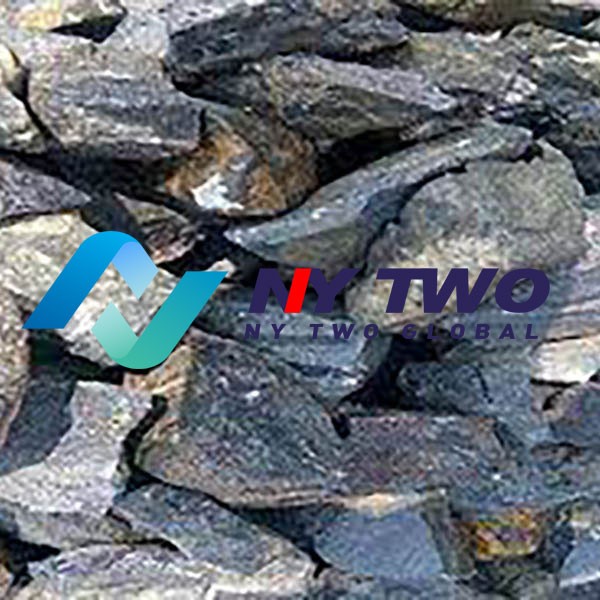
Ferro silicon, a ferroalloy composed of iron and silicon, is a critical additive in the steelmaking industry. As a supplier of ferro silicon, I have witnessed firsthand how this alloy can significantly influence the mechanical properties of steel. In this blog post, I will delve into the various ways ferro silicon affects the mechanical characteristics of steel, exploring its benefits and applications.
The Role of Silicon in Steel
Silicon is a key element in steel, and its addition in the form of ferro silicon can enhance several mechanical properties. One of the primary functions of silicon in steel is deoxidation. During the steelmaking process, oxygen can cause porosity and other defects in the steel. Silicon has a strong affinity for oxygen, reacting with it to form silica (SiO₂), which can be easily removed from the molten steel. This deoxidation process helps to improve the cleanliness and homogeneity of the steel, leading to better mechanical properties.
In addition to deoxidation, silicon also acts as a solid-solution strengthener in steel. When silicon is dissolved in the iron matrix, it increases the strength and hardness of the steel by impeding the movement of dislocations. This solid-solution strengthening effect is particularly significant at low to moderate silicon concentrations. As the silicon content increases, the strength and hardness of the steel continue to rise, but the ductility and toughness may decrease. Therefore, the amount of silicon added to the steel must be carefully controlled to achieve the desired balance of properties.
Effects on Tensile Strength and Yield Strength
One of the most noticeable effects of ferro silicon on steel is the increase in tensile strength and yield strength. Tensile strength is the maximum stress that a material can withstand before breaking, while yield strength is the stress at which a material begins to deform plastically. By adding ferro silicon to steel, the solid-solution strengthening effect of silicon increases the resistance of the steel to deformation, resulting in higher tensile and yield strengths.
The increase in strength is particularly beneficial in applications where high strength is required, such as in the construction of bridges, buildings, and machinery. For example, in the automotive industry, high-strength steel alloys containing ferro silicon are used to reduce the weight of vehicles while maintaining their structural integrity. This not only improves fuel efficiency but also enhances safety by providing better crash protection.
Impact on Hardness and Wear Resistance
Ferro silicon also has a significant impact on the hardness and wear resistance of steel. Hardness is a measure of a material's resistance to indentation or scratching, while wear resistance refers to its ability to withstand abrasion and friction. By increasing the silicon content in steel, the hardness and wear resistance can be improved.
The solid-solution strengthening effect of silicon increases the hardness of the steel by making it more difficult for dislocations to move. This results in a material that is more resistant to indentation and scratching. In addition, silicon can also form hard carbides and other intermetallic compounds in the steel, further enhancing its wear resistance.
The improved hardness and wear resistance make steel containing ferro silicon suitable for applications where high wear resistance is required, such as in the manufacturing of cutting tools, mining equipment, and agricultural machinery. For example, in the mining industry, steel components coated with high-silicon steel alloys are used to withstand the harsh conditions of mining operations, reducing the need for frequent replacement and maintenance.
Influence on Ductility and Toughness
While ferro silicon can improve the strength, hardness, and wear resistance of steel, it can also have a negative impact on its ductility and toughness. Ductility is a measure of a material's ability to deform plastically before breaking, while toughness refers to its ability to absorb energy and resist fracture.
As the silicon content in steel increases, the ductility and toughness of the steel may decrease. This is because the solid-solution strengthening effect of silicon makes the steel more brittle, reducing its ability to deform plastically. In addition, the formation of hard carbides and other intermetallic compounds in the steel can also contribute to the decrease in ductility and toughness.
To mitigate the negative effects of ferro silicon on ductility and toughness, the amount of silicon added to the steel must be carefully controlled. In some cases, other alloying elements such as manganese, nickel, and chromium may be added to the steel to improve its ductility and toughness. For example, in the production of high-strength low-alloy (HSLA) steels, small amounts of manganese and other alloying elements are added to offset the negative effects of silicon on ductility and toughness.
Applications of Ferro Silicon in Steelmaking
Ferro silicon is widely used in the steelmaking industry to improve the mechanical properties of steel. Some of the common applications of ferro silicon in steelmaking include:
- Deoxidation: As mentioned earlier, silicon is a powerful deoxidizer in steel. By adding ferro silicon to the molten steel, the oxygen content can be reduced, improving the cleanliness and homogeneity of the steel.
- Solid-Solution Strengthening: The solid-solution strengthening effect of silicon can increase the strength and hardness of the steel, making it suitable for applications where high strength is required.
- Improving Wear Resistance: The addition of ferro silicon can improve the wear resistance of the steel, making it suitable for applications where high wear resistance is required.
- Alloying Element: Ferro silicon can also be used as an alloying element in the production of special steels, such as stainless steels and electrical steels. In these applications, the silicon content is carefully controlled to achieve the desired properties.
Conclusion
In conclusion, ferro silicon is a critical additive in the steelmaking industry, playing a significant role in improving the mechanical properties of steel. By acting as a deoxidizer, solid-solution strengthener, and wear-resistant agent, ferro silicon can increase the strength, hardness, and wear resistance of steel, while also improving its cleanliness and homogeneity. However, the addition of ferro silicon must be carefully controlled to achieve the desired balance of properties, as excessive silicon content can have a negative impact on the ductility and toughness of the steel.
As a supplier of ferro silicon, I am committed to providing high-quality products that meet the specific needs of my customers. Whether you are looking to improve the strength, hardness, wear resistance, or other mechanical properties of your steel, I can help you find the right ferro silicon alloy for your application.
If you are interested in learning more about ferro silicon and its applications in steelmaking, or if you would like to discuss your specific requirements, please feel free to [contact me for procurement and negotiation]. I look forward to working with you to achieve your goals.
References
- Jones, D. (2018). Steelmaking: Principles and Practice. CRC Press.
- Smith, J. (2019). Ferroalloys in Steelmaking. Elsevier.
- Davis, J. R. (2004). ASM Specialty Handbook: Stainless Steels. ASM International.