

What is the behavior of High Carbon Ferro Manganese at high temperatures?
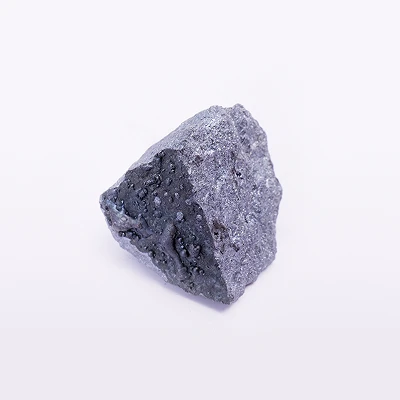
As a seasoned supplier of High Carbon Ferro Manganese, I've witnessed firsthand the critical role this alloy plays in various industries. High Carbon Ferro Manganese, a crucial additive in steelmaking, contains between 70% and 80% manganese, 1.5% to 7% carbon, and small amounts of silicon, phosphorus, and sulfur. Understanding its behavior at high temperatures is essential for optimizing its use in industrial processes.
Physical and Chemical Changes at High Temperatures
When High Carbon Ferro Manganese is subjected to high temperatures, several significant physical and chemical changes occur. At elevated temperatures, the alloy begins to soften and eventually melts. The melting point of High Carbon Ferro Manganese typically ranges from 1200°C to 1350°C, depending on its exact composition. This melting process is crucial in steelmaking, as it allows the alloy to be evenly distributed throughout the molten steel, enhancing its properties.
During the melting process, the carbon in High Carbon Ferro Manganese reacts with oxygen in the furnace atmosphere, forming carbon monoxide and carbon dioxide. This reaction, known as oxidation, helps to remove impurities from the steel and also contributes to the overall refining process. The manganese in the alloy also plays a vital role in deoxidizing the steel, reducing the oxygen content and improving its mechanical properties.
Impact on Steel Properties
The behavior of High Carbon Ferro Manganese at high temperatures has a profound impact on the properties of the final steel product. Manganese is a powerful alloying element that enhances the strength, hardness, and toughness of steel. At high temperatures, manganese forms solid solutions with iron, which helps to strengthen the steel matrix. This results in improved wear resistance, fatigue resistance, and overall durability of the steel.
In addition to its strengthening effects, manganese also helps to improve the hot workability of steel. At high temperatures, manganese reduces the tendency of steel to crack or form defects during processing, making it easier to shape and form into various products. This is particularly important in industries such as automotive manufacturing, where high-strength steel components are required to withstand extreme conditions.
Applications in Different Industries
High Carbon Ferro Manganese is widely used in a variety of industries due to its unique properties at high temperatures. In the steel industry, it is an essential additive in the production of carbon steel, stainless steel, and alloy steel. The alloy is used to improve the quality and performance of steel products, making them suitable for a wide range of applications, from construction and infrastructure to automotive and aerospace.
In the foundry industry, High Carbon Ferro Manganese is used to produce high-quality castings. The alloy helps to improve the fluidity of molten metal, reducing the risk of casting defects and improving the overall quality of the castings. It is also used in the production of ductile iron, where it helps to improve the mechanical properties and ductility of the iron.
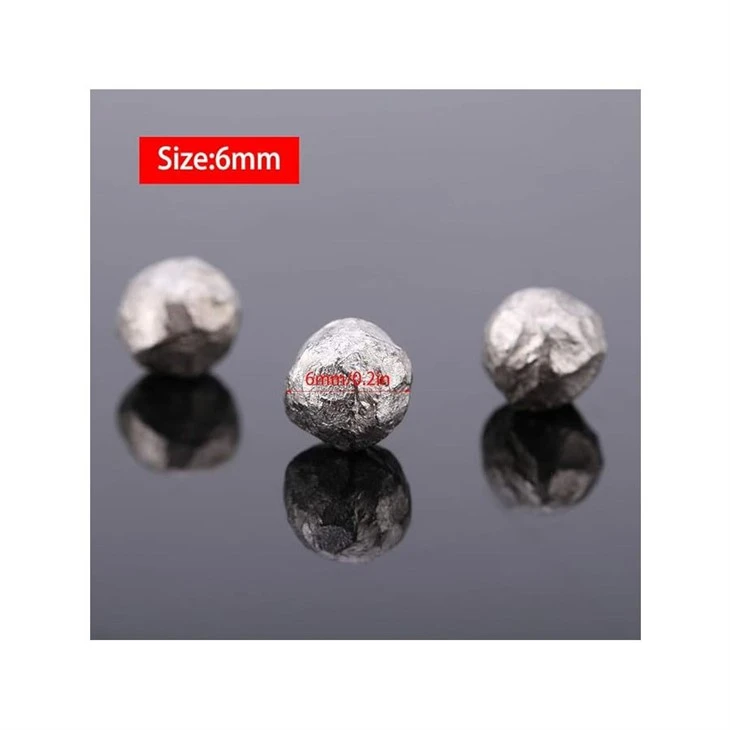
Another important application of High Carbon Ferro Manganese is in the production of non-ferrous alloys. Manganese is used as an alloying element in aluminum, copper, and magnesium alloys to improve their strength, corrosion resistance, and other properties. For example, in the production of aluminum alloys, manganese is added to enhance the strength and hardness of the alloy, making it suitable for use in aerospace and automotive applications. Magnesium Chips, Grade: Nanoshel and Ferro Silicon are also commonly used in alloy production, often in combination with High Carbon Ferro Manganese to achieve specific properties.
Factors Affecting High-Temperature Behavior
Several factors can affect the behavior of High Carbon Ferro Manganese at high temperatures. The composition of the alloy, including the carbon and manganese content, as well as the presence of other elements, can significantly influence its melting point, reactivity, and other properties. For example, a higher carbon content can increase the reactivity of the alloy, leading to more intense oxidation reactions at high temperatures.
The furnace atmosphere also plays a crucial role in the behavior of High Carbon Ferro Manganese. The presence of oxygen, nitrogen, and other gases can affect the oxidation and reduction reactions that occur during the melting process. Controlling the furnace atmosphere is essential to ensure optimal performance of the alloy and to achieve the desired properties in the final steel product.
The heating rate and holding time at high temperatures are also important factors. A rapid heating rate can cause thermal stress in the alloy, leading to cracking or other defects. On the other hand, a long holding time at high temperatures can result in excessive oxidation and loss of alloying elements. Therefore, it is necessary to carefully control the heating and holding conditions to ensure the best results.
Quality Control and Testing
As a supplier of High Carbon Ferro Manganese, ensuring the quality of our products is of utmost importance. We conduct rigorous quality control measures at every stage of the production process, from raw material sourcing to final product inspection. Our quality control team uses advanced testing equipment and techniques to analyze the chemical composition, physical properties, and high-temperature behavior of our alloys.
One of the key tests we perform is the melting point analysis, which helps us to determine the exact melting range of the High Carbon Ferro Manganese. This information is crucial for ensuring that the alloy melts at the appropriate temperature during the steelmaking process. We also conduct chemical analysis using techniques such as spectrometry to ensure that the alloy meets the specified composition requirements.
In addition to these tests, we also perform mechanical testing on the final steel products to evaluate the impact of High Carbon Ferro Manganese on their properties. This includes tests such as tensile testing, hardness testing, and impact testing. By conducting these tests, we can ensure that our products meet the highest quality standards and provide our customers with reliable and consistent performance.
Future Trends and Developments
The demand for High Carbon Ferro Manganese is expected to continue to grow in the coming years, driven by the increasing demand for high-strength steel in various industries. As technology advances, there is also a growing focus on developing more efficient and sustainable production methods for High Carbon Ferro Manganese.
One of the emerging trends in the industry is the use of advanced smelting techniques, such as electric arc furnaces and submerged arc furnaces, to produce High Carbon Ferro Manganese. These techniques offer several advantages, including lower energy consumption, reduced environmental impact, and improved product quality.
Another area of development is the use of nanotechnology to enhance the properties of High Carbon Ferro Manganese. Nanoparticles of manganese and other alloying elements can be added to the alloy to improve its strength, hardness, and other properties at the nanoscale. This could lead to the development of new high-performance steel products with enhanced properties and applications.
Contact for Purchase and Collaboration
If you are interested in purchasing High Carbon Ferro Manganese or learning more about its applications, I encourage you to reach out to us. We have a team of experts who can provide you with detailed information about our products and help you find the best solution for your specific needs. Whether you are in the steel industry, foundry industry, or any other industry that requires high-quality alloys, we are here to support you.
We are committed to providing our customers with the highest level of service and quality products. Our goal is to build long-term partnerships with our customers based on trust, reliability, and mutual benefit. So, if you have any questions or would like to discuss a potential purchase, please do not hesitate to contact us.
References
- "Steelmaking and Refining Processes" by John F. Elliott
- "The Science and Technology of Materials" by Arthur W. Adamson
- "Alloying Elements in Steel" by George E. Totten