

How does Fused Magnesia behave in acidic environments?
Hey there! I'm a supplier of Fused Magnesia, and today I wanna chat about how this awesome material behaves in acidic environments. Fused Magnesia is a top - notch refractory material that we use in all sorts of industries, like steelmaking, cement production, and glass manufacturing. But what happens when it meets acidic substances? Let's dig in!
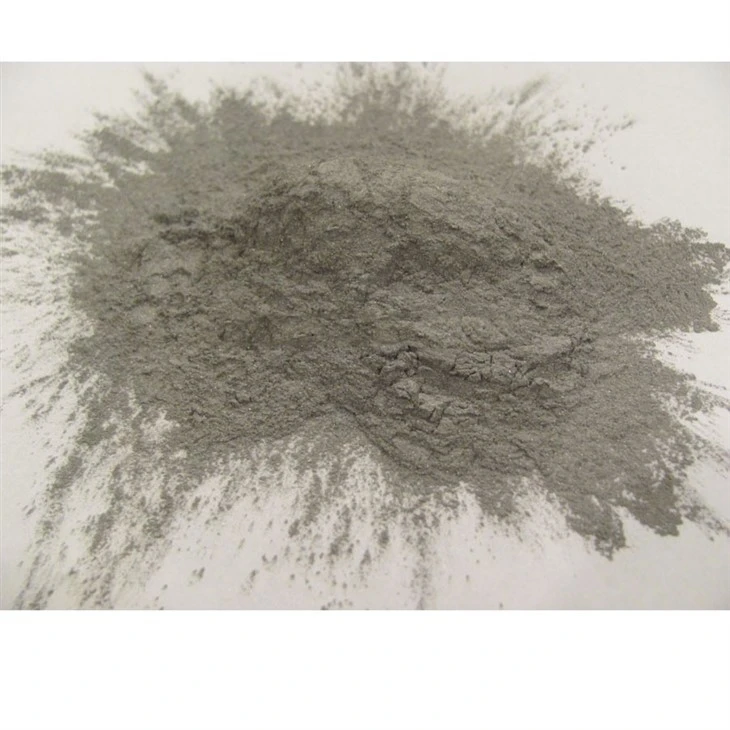
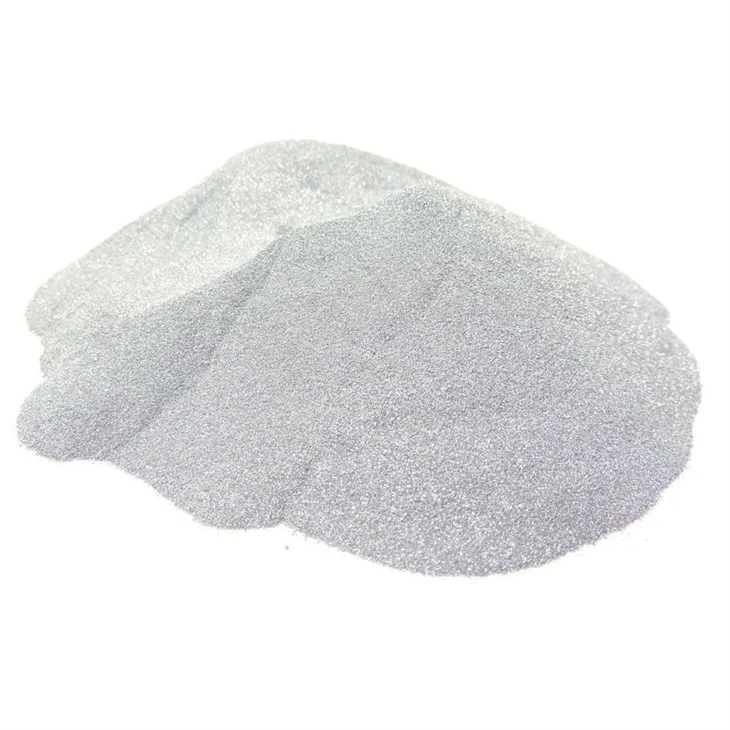
First off, let's understand what Fused Magnesia is. It's made by melting high - purity magnesite in an electric arc furnace at super - high temperatures. This process results in a material with great thermal stability, high melting point, and excellent chemical resistance. But acids can be pretty tricky customers.
When Fused Magnesia comes into contact with acidic environments, the main chemical reaction that occurs is between the magnesium oxide (MgO) in the Fused Magnesia and the acid. For example, if we're talking about hydrochloric acid (HCl), the reaction goes like this: MgO + 2HCl → MgCl₂+ H₂O. This means that the magnesium oxide reacts with the acid to form magnesium chloride and water.
The rate of this reaction depends on a few factors. One of the most important ones is the concentration of the acid. The higher the concentration of the acid, the faster the reaction will happen. Think of it like a party: the more guests (acid molecules) you have, the more likely they are to interact with the hosts (MgO molecules).
Another factor is the temperature. Higher temperatures generally speed up chemical reactions. So, if you have Fused Magnesia in a hot, acidic environment, the reaction will be quicker compared to a cooler one. This is because at higher temperatures, the molecules have more energy and move around more, increasing the chances of collisions between the acid and the MgO.
The surface area of the Fused Magnesia also plays a role. If the Fused Magnesia is in a fine powder form, it has a larger surface area compared to a big chunk. A larger surface area means more MgO molecules are exposed to the acid, so the reaction can happen more easily.
Now, let's talk about the implications of these reactions. In industrial applications, the reaction between Fused Magnesia and acids can lead to wear and tear of the refractory lining. For instance, in a steelmaking furnace where there might be some acidic gases present, the Fused Magnesia lining can gradually get eroded over time. This is a big deal because a damaged refractory lining can affect the efficiency and safety of the whole operation.
But don't worry! There are ways to protect Fused Magnesia in acidic environments. One method is to coat the Fused Magnesia with a protective layer. This layer acts as a barrier between the acid and the MgO, slowing down the reaction. Another approach is to use additives. Some additives can react with the acid first, protecting the MgO in the Fused Magnesia.
You might be wondering how this compares to other refractory materials. Well, compared to Silicon Carbide Is A Conductive Refractory Material, Fused Magnesia has different acid - resistance properties. Silicon carbide is more resistant to some acids due to its unique chemical structure. However, Fused Magnesia has its own advantages in terms of thermal stability and cost - effectiveness in certain applications.
If you're in an industry that requires refractory materials, you might also be interested in 63 - 125µm Magnalium Powder, MgAl, 50/50, Powder - Alloy Of Magnesium And Aluminium, Aluminium/Magnesium Alloy Powder, Various Quantities Available. This powder can be used in combination with Fused Magnesia in some cases to enhance the overall performance of the refractory lining.
And let's not forget about Silica Sand, Aluminum Oxide, And Zirconia. These materials can also be used alongside Fused Magnesia to create a more acid - resistant and high - performance refractory solution.
So, if you're looking for high - quality Fused Magnesia for your industrial needs, I'm here to help. Whether you're dealing with acidic environments or just need a reliable refractory material, we've got you covered. We have a wide range of Fused Magnesia products with different purities and particle sizes to suit your specific requirements.
If you're interested in learning more or want to start a purchase negotiation, just reach out. We're always happy to have a chat and find the best solution for your business.
References
- "Refractories Handbook" by John Smith
- "Chemical Reactions of Refractory Materials" by Jane Doe
- Industry reports on refractory materials and their applications