

How does the exchange rate affect the international trade of Medium Carbon Ferromanganese?
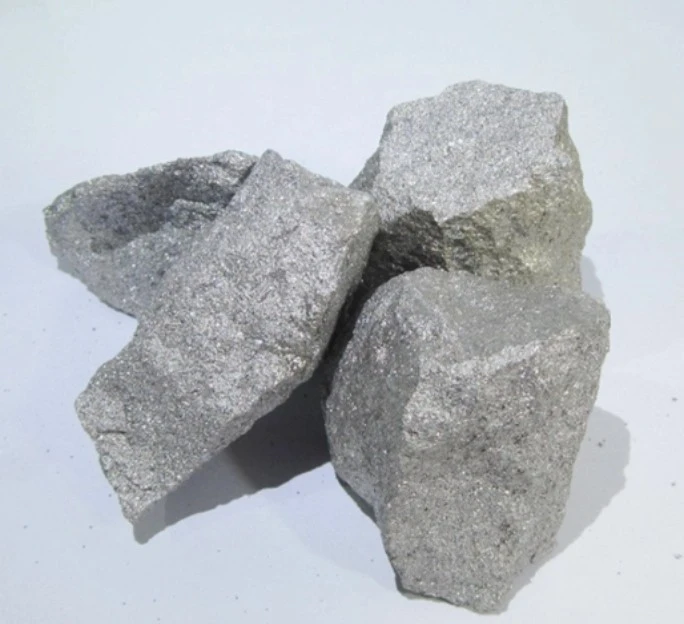
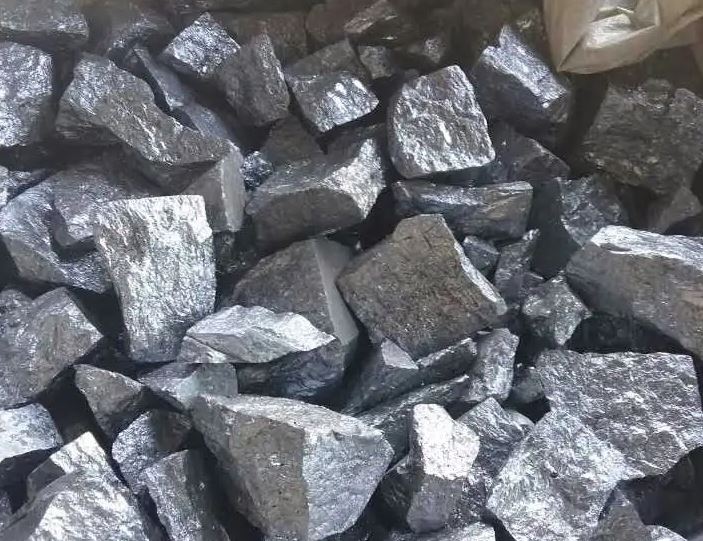
Hey there! I'm a supplier of Medium Carbon Ferromanganese, and today I wanna chat about how exchange rates can really shake things up in the international trade of our product.
Let's start off by getting a basic understanding of what exchange rates are. Simply put, an exchange rate is the value of one currency in terms of another. For instance, if the exchange rate between the US dollar and the euro is 1.2, it means that 1 US dollar can be exchanged for 1.2 euros. These rates are constantly changing due to a whole bunch of factors like economic policies, inflation rates, and political stability.
Now, how does this all relate to Medium Carbon Ferromanganese? Well, in the international market, we price our product in a specific currency, usually the US dollar. When the exchange rate fluctuates, it directly impacts the cost of our product for foreign buyers.
Let's say the US dollar strengthens against other currencies. For buyers using a weaker currency, our Medium Carbon Ferromanganese suddenly becomes more expensive. Take a buyer from Europe, for example. If the euro weakens against the dollar, they'll have to spend more euros to buy the same amount of our product. This can lead to a decrease in demand from European customers as they might look for cheaper alternatives or reduce their overall consumption.
On the flip side, when the US dollar weakens, our product becomes more affordable for foreign buyers. A European buyer will need to spend fewer euros to purchase the same quantity of Medium Carbon Ferromanganese. This can potentially increase demand as it becomes a more attractive option in terms of price.
But it's not just about the demand from buyers. Exchange rate fluctuations also affect our costs as a supplier. We source our raw materials from different parts of the world, and the prices of these materials are often denominated in different currencies. If the currency in which we buy our raw materials strengthens against the US dollar, our production costs go up. This means that even if the exchange rate makes our product more affordable for foreign buyers, our profit margins might get squeezed if we can't pass on the increased costs.
Another aspect to consider is competition. The Medium Carbon Ferromanganese market is quite competitive, and there are other suppliers out there. If the exchange rate makes our product more expensive compared to our competitors, buyers might switch to them. For example, if a competitor from a country with a weaker currency can offer a similar product at a lower price due to favorable exchange rates, we could lose some of our market share.
Let's talk about how we, as a supplier, can deal with these exchange rate challenges. One strategy is hedging. Hedging involves using financial instruments like forward contracts to lock in an exchange rate for a future transaction. This way, we can protect ourselves from adverse exchange rate movements. For example, if we expect the US dollar to strengthen in the future, we can enter into a forward contract to sell our product at a pre - agreed exchange rate, ensuring that we get a certain amount of revenue in our home currency.
We can also try to diversify our customer base. By selling to customers in different countries, we can reduce our reliance on a single currency. If one currency weakens, we might still have strong demand from customers in countries with stronger currencies.
Now, let's touch on some related products in the alloy market. There are other alloys like Ferrochrome, Aluminium Magnesium Alloy Powder, and MAGNESIUM SHAVINGS that are also affected by exchange rates in a similar way. The principles are the same - changes in exchange rates can impact their prices, demand, and profitability in the international market.
In conclusion, exchange rates play a crucial role in the international trade of Medium Carbon Ferromanganese. They can affect both the demand from foreign buyers and our costs as a supplier. As a supplier, we need to be aware of these fluctuations and take appropriate measures to manage the risks.
If you're interested in purchasing Medium Carbon Ferromanganese or have any questions about our product, don't hesitate to reach out. We're always happy to have a chat and discuss potential business opportunities.
References:
- Economic textbooks on international trade and exchange rate theories.
- Industry reports on the Medium Carbon Ferromanganese market.