

How does the flowability of brown aluminum oxide for refractory powder affect its processing?
Hey there! I'm a supplier of Brown Aluminum Oxide For Refractory. Today, I wanna talk about how the flowability of brown aluminum oxide for refractory powder affects its processing.
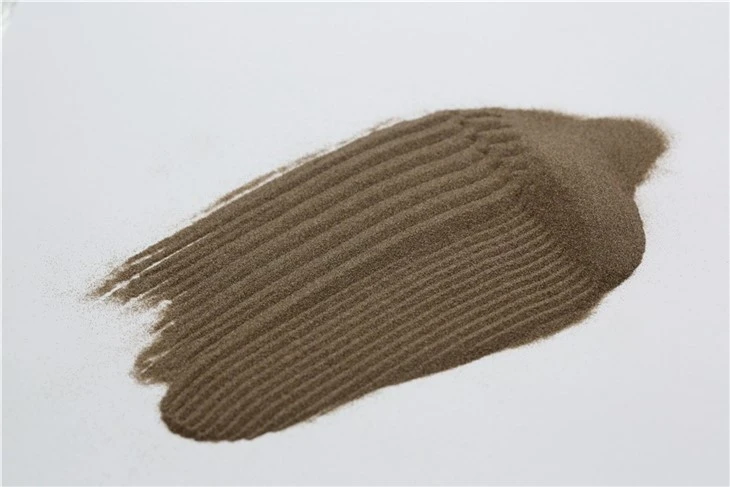
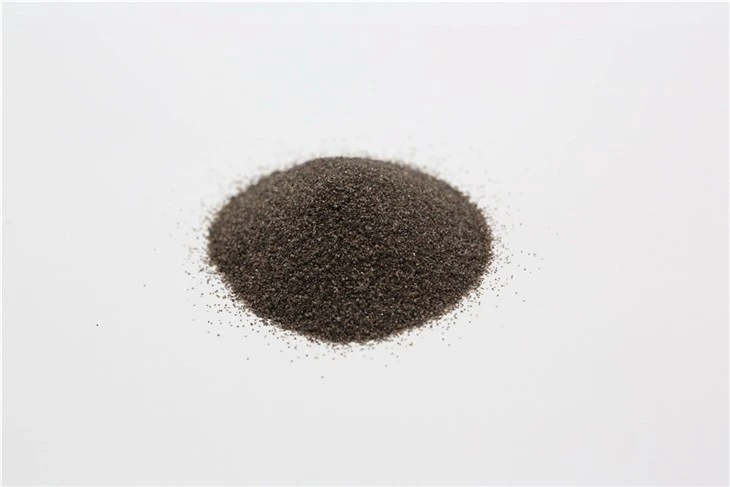
First off, let's understand what brown aluminum oxide is. Brown Aluminum Oxide is a widely - used refractory material known for its high hardness, good thermal stability, and excellent wear - resistance. You can find more details about it on this page: Brown Aluminium Oxide.
Now, flowability is a crucial property when it comes to the processing of brown aluminum oxide powder. Flowability refers to how easily the powder can flow. It's influenced by several factors like particle size, shape, surface properties, and moisture content.
Impact on Mixing
When we're talking about processing brown aluminum oxide for refractory applications, one of the first steps is usually mixing it with other materials. Good flowability makes this mixing process a whole lot easier. For instance, if the powder flows well, it can evenly distribute among other refractory materials such as White Fused Magnesia or ATH(Flame).
Imagine trying to mix a powder that doesn't flow properly. It'll clump together, and you'll end up with uneven mixtures. These uneven mixtures can lead to inconsistent properties in the final refractory product. For example, some parts of the refractory might have higher heat - resistance while others have lower, which is definitely not what we want.
Influence on Molding
Molding is another important step in the processing of brown aluminum oxide for refractory. During molding, the powder needs to fill the mold cavity uniformly. A powder with high flowability can easily fill all the nooks and crannies of the mold. This results in a well - formed refractory product with a smooth surface and accurate dimensions.
On the other hand, poor flowability can cause issues like voids or air pockets in the molded product. These voids can weaken the structure of the refractory, making it more prone to cracking and failure under high - temperature conditions.
Effects on Sintering
Sintering is the process of heating the molded refractory to a high temperature to bond the particles together. The flowability of the brown aluminum oxide powder before sintering can have a significant impact on this process.
A powder with good flowability will have a more uniform packing density in the mold. This uniform packing leads to more consistent heat transfer during sintering. As a result, the sintering process is more efficient, and the final product has better mechanical properties.
If the powder doesn't flow well, the packing density will be uneven. This can cause uneven heating during sintering, leading to differential shrinkage. Differential shrinkage can cause internal stresses in the refractory, which may lead to cracking or warping of the final product.
Factors Affecting Flowability
Let's take a closer look at the factors that can affect the flowability of brown aluminum oxide powder.
Particle Size
Particle size plays a huge role. Generally, larger particles tend to have better flowability than smaller ones. Smaller particles have a larger surface area - to - volume ratio, which means they have more contact points with each other. This increased interaction can cause the particles to stick together, reducing flowability.
Particle Shape
The shape of the particles also matters. Spherical particles flow better than irregularly - shaped particles. Irregular particles can interlock with each other, creating barriers to flow. So, manufacturers often try to control the particle shape during the production of brown aluminum oxide to improve flowability.
Surface Properties
The surface properties of the particles can affect flowability as well. If the particles have a rough surface, they're more likely to stick together. On the other hand, a smooth surface allows the particles to slide past each other more easily.
Moisture Content
Moisture can be a real problem for flowability. Even a small amount of moisture can cause the powder particles to clump. This is because water acts as a binder between the particles. So, it's essential to keep the moisture content of the brown aluminum oxide powder under control during storage and processing.
Improving Flowability
There are several ways to improve the flowability of brown aluminum oxide powder.
Particle Size Control
As mentioned earlier, controlling the particle size can help. Manufacturers can use techniques like sieving to remove fine particles and ensure a more uniform particle size distribution. This can significantly improve the flowability of the powder.
Surface Treatment
Surface treatment can also be used to improve flowability. For example, applying a thin coating on the particle surface can make it smoother, reducing the friction between particles.
Anti - caking Agents
Adding anti - caking agents is another option. These agents can prevent the particles from sticking together, improving the flowability of the powder.
Conclusion
In conclusion, the flowability of brown aluminum oxide for refractory powder has a profound impact on its processing. It affects every step from mixing to sintering, and ultimately, the quality of the final refractory product. As a supplier, I understand the importance of providing high - quality brown aluminum oxide with good flowability.
If you're in the market for brown aluminum oxide for refractory applications, I'd love to have a chat with you. We can discuss your specific requirements and how our products can meet them. Don't hesitate to reach out for more information or to start a procurement negotiation.
References
- Smith, J. (2018). Refractory Materials: Properties and Applications. New York: Academic Press.
- Johnson, A. (2019). Powder Flowability and Its Impact on Industrial Processes. Journal of Materials Science, 45(2), 123 - 135.
- Brown, C. (2020). Advances in Refractory Manufacturing Technologies. London: Wiley.