

How does White Tabular Alumina compare to other types of alumina?
Alumina is a widely used material in various industries due to its excellent physical and chemical properties. Among the different types of alumina, white tabular alumina stands out for its unique characteristics. As a supplier of white tabular alumina, I am often asked how it compares to other types of alumina. In this blog post, I will delve into the properties, applications, and advantages of white tabular alumina in comparison to other common types of alumina.
Properties of Alumina Types
White Tabular Alumina
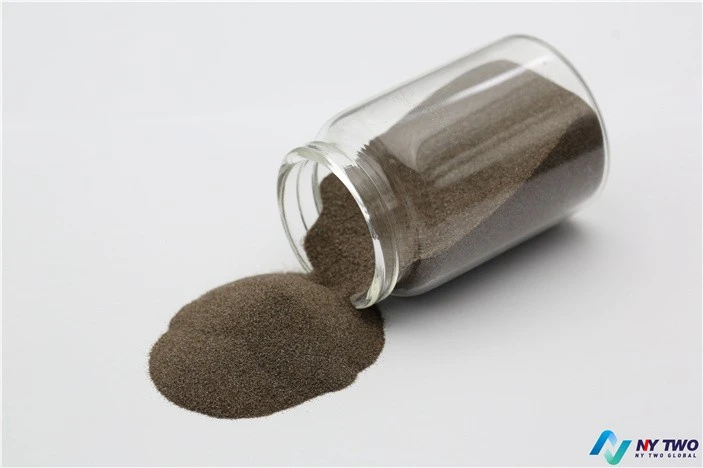
White tabular alumina is produced by sintering high - purity alumina powder at extremely high temperatures. This process results in a material with a dense, tabular crystal structure. It has a high alumina content, typically above 99%, which gives it excellent chemical stability. It also has a high refractoriness, with a melting point of around 2050°C. Its hardness is relatively high, making it resistant to wear and abrasion.
Other Types of Alumina
- Calcined Bauxite: Calcined bauxite is obtained by heating bauxite ore at high temperatures. It has a lower alumina content compared to white tabular alumina, usually ranging from 80 - 90%. The impurities in calcined bauxite are relatively higher, which can affect its chemical stability and refractoriness. You can learn more about calcined bauxite at Calcined Bauxite.
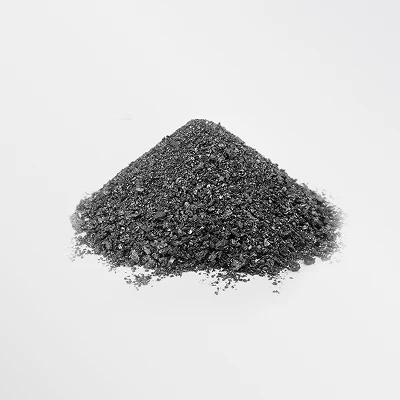
- Brown Fused Alumina: Brown fused alumina is produced by fusing bauxite, anthracite, and iron filings in an electric arc furnace. It has a lower purity than white tabular alumina, with an alumina content of about 95 - 97%. It is known for its high toughness and is often used in abrasive applications. More information about brown fused alumina manufacturers and suppliers can be found at Brown Fused Alumina Manufacturers & Suppliers.
Applications
White Tabular Alumina
- Refractory Industry: Due to its high refractoriness and chemical stability, white tabular alumina is widely used in the refractory industry. It is used to make refractory bricks, castables, and gunning materials for lining furnaces in steel, cement, and glass industries.
- Ceramics Industry: In the ceramics industry, white tabular alumina is used to produce high - quality ceramic products. Its high hardness and wear resistance make it suitable for making ceramic cutting tools, abrasive wheels, and insulators.
Other Types of Alumina
- Calcined Bauxite: Calcined bauxite is mainly used in the production of refractory materials for less demanding applications, such as in some non - ferrous metal smelting furnaces. It is also used as an aggregate in the production of abrasive products.
- Brown Fused Alumina: Brown fused alumina is predominantly used in the abrasive industry. It is used to make grinding wheels, sandpaper, and other abrasive tools. Its high toughness allows it to withstand the high stresses during grinding operations. Another industry where alumina - related materials are used is the Silicon Carbide Manufacturing Industry, which also has specific requirements for different types of alumina.
Advantages of White Tabular Alumina
Chemical Purity
The high purity of white tabular alumina is one of its major advantages. With an alumina content of over 99%, it has fewer impurities, which means it is less likely to react with other substances in high - temperature environments. This makes it ideal for applications where chemical stability is crucial, such as in the lining of high - temperature furnaces.
Physical Properties
- High Refractoriness: The high melting point of white tabular alumina allows it to maintain its structural integrity at extremely high temperatures. This is essential in industries where materials are exposed to temperatures above 1800°C, such as in steelmaking.
- Wear Resistance: Its dense tabular crystal structure gives white tabular alumina excellent wear resistance. This property is beneficial in applications where the material is subject to abrasion, such as in ceramic cutting tools and abrasive wheels.
Performance Consistency
White tabular alumina offers consistent performance due to its controlled manufacturing process. The high - temperature sintering process ensures a uniform crystal structure and properties throughout the material. This consistency is important for industries that require reliable and predictable performance from their materials.
Disadvantages and Limitations
Cost
One of the main disadvantages of white tabular alumina is its relatively high cost. The production process of white tabular alumina involves high - purity raw materials and high - temperature sintering, which increases the production cost. This makes it less suitable for applications where cost is a major concern and where lower - purity alumina materials can meet the requirements.
Brittleness
Although white tabular alumina has high hardness, it can be relatively brittle compared to some other types of alumina, such as brown fused alumina. This brittleness can limit its use in applications where the material is subject to high - impact forces.
Comparison in Specific Industries
Steel Industry
In the steel industry, the lining of steelmaking furnaces requires materials with high refractoriness and chemical stability. White tabular alumina is often the preferred choice for the most demanding parts of the furnace lining, such as the hearth and the sidewalls. Its high purity and ability to withstand high temperatures make it more suitable than calcined bauxite, which may contain impurities that can react with the molten steel. Brown fused alumina, on the other hand, is mainly used in the abrasive tools for surface finishing of steel products.
Cement Industry
In the cement industry, the kiln lining is exposed to high temperatures and corrosive gases. White tabular alumina - based refractory materials are used in the most critical areas of the kiln, such as the burning zone. Calcined bauxite can be used in less critical areas due to its lower cost, but it may not provide the same level of performance as white tabular alumina.
Conclusion
White tabular alumina has unique properties and advantages that make it a preferred choice for many high - end applications. Its high purity, excellent refractoriness, and wear resistance set it apart from other types of alumina. However, its high cost and brittleness are limitations that need to be considered. In comparison, calcined bauxite and brown fused alumina have their own advantages in terms of cost and toughness, respectively, and are suitable for less demanding applications.
If you are in need of high - quality white tabular alumina for your specific application, I encourage you to reach out for a detailed discussion. We can work together to find the best solution that meets your requirements and budget. Whether you are in the refractory, ceramics, or other industries, our white tabular alumina can provide the performance and reliability you need.
References
- "Alumina: Properties, Applications, and Production", Journal of Materials Science
- "Refractory Materials for High - Temperature Industries", Industrial Ceramics Handbook
- "Abrasive Materials and Their Applications", Abrasive Technology Journal