

How to choose the right alloy grade when buying?
When it comes to purchasing alloys, one of the most crucial decisions you'll face is choosing the right alloy grade. As a supplier at Buy Alloy, I understand the complexities and challenges that come with this process. In this blog post, I'll share some insights and guidelines to help you make an informed decision when selecting the appropriate alloy grade for your specific needs.
Understanding Alloy Grades
Alloy grades are standardized designations that define the chemical composition and mechanical properties of an alloy. These grades are established by various organizations, such as the American Society for Testing and Materials (ASTM), the International Organization for Standardization (ISO), and others. Each grade has a unique combination of elements and properties, which makes it suitable for specific applications.
For example, some alloys are known for their high strength, while others are valued for their corrosion resistance, heat resistance, or electrical conductivity. By understanding the different alloy grades and their properties, you can narrow down your options and choose the one that best meets your requirements.
Factors to Consider When Choosing an Alloy Grade
1. Application Requirements
The first step in choosing the right alloy grade is to clearly define the application for which you need the alloy. Consider the following questions:
- What type of environment will the alloy be exposed to? Will it be in contact with corrosive substances, high temperatures, or extreme pressures?
- What mechanical properties are required? Does the alloy need to be strong, ductile, or wear-resistant?
- What are the size and shape requirements of the final product? Some alloys may be more suitable for certain manufacturing processes, such as casting, forging, or machining.
For instance, if you're looking for an alloy for a marine application, you'll need a grade that offers excellent corrosion resistance in saltwater environments. Stainless steel alloys, such as 316L, are often a good choice for this type of application due to their high chromium and molybdenum content, which provides superior resistance to pitting and crevice corrosion.
On the other hand, if you're manufacturing a component that requires high strength and toughness, you might consider a high-strength alloy like titanium or nickel-based alloys. These alloys are known for their exceptional mechanical properties and are commonly used in aerospace, automotive, and defense industries.
2. Chemical Composition
The chemical composition of an alloy plays a significant role in determining its properties. Different elements are added to the base metal to enhance specific characteristics. For example:
- Chromium: Adds corrosion resistance and hardness to the alloy. It is commonly found in stainless steel alloys.
- Nickel: Improves corrosion resistance, ductility, and toughness. Nickel-based alloys are widely used in high-temperature and corrosive environments.
- Manganese: Enhances strength and hardness, and also improves the hot workability of the alloy.
- Silicon: Increases the strength and hardness of the alloy, and also improves its resistance to oxidation.
When choosing an alloy grade, it's important to consider the specific elements present in the alloy and how they will affect its performance in your application. You can refer to the alloy's specification sheet or consult with a metallurgist to understand the chemical composition and its implications.
3. Mechanical Properties
The mechanical properties of an alloy, such as strength, hardness, ductility, and toughness, are essential factors to consider. These properties determine how the alloy will perform under different loads and conditions. Here are some key mechanical properties to keep in mind:
- Tensile Strength: The maximum stress that an alloy can withstand before breaking under tension.
- Yield Strength: The stress at which an alloy begins to deform plastically.
- Hardness: The resistance of an alloy to indentation or scratching.
- Ductility: The ability of an alloy to deform plastically without breaking.
- Toughness: The ability of an alloy to absorb energy and resist fracture.
The required mechanical properties will depend on the specific application. For example, a structural component in a building may require high tensile strength and yield strength to support heavy loads, while a tool or die may need high hardness and wear resistance.
4. Cost
Cost is always a consideration when purchasing alloys. Different alloy grades have different prices, depending on their chemical composition, availability, and manufacturing process. It's important to balance the performance requirements of your application with the cost of the alloy.
In some cases, a more expensive alloy may be justified if it offers superior performance and longer service life. However, if the application does not require the highest level of performance, a more cost-effective alloy may be a better choice.
Common Alloy Grades and Their Applications
1. Aluminum Alloys
Aluminum alloys are lightweight, corrosion-resistant, and have good mechanical properties. They are widely used in the automotive, aerospace, and construction industries. Some common aluminum alloy grades include:
- 6061: A versatile alloy with good strength, corrosion resistance, and machinability. It is commonly used in structural applications, such as frames, brackets, and automotive parts.
- 7075: A high-strength alloy with excellent fatigue resistance. It is often used in aerospace applications, such as aircraft wings and fuselages.
2. Stainless Steel Alloys
Stainless steel alloys are known for their corrosion resistance, high strength, and aesthetic appeal. They are used in a wide range of applications, including food processing, medical equipment, and architecture. Some common stainless steel alloy grades include:
- 304: A general-purpose alloy with good corrosion resistance and formability. It is commonly used in kitchen appliances, plumbing fixtures, and architectural applications.
- 316L: A low-carbon version of 316 stainless steel, which offers improved corrosion resistance, especially in chloride environments. It is often used in marine applications, chemical processing, and medical devices.
3. Magnesium Alloys
Magnesium alloys are the lightest structural metals, with high strength-to-weight ratios. They are used in applications where weight reduction is critical, such as aerospace, automotive, and electronics. Some common magnesium alloy grades include:
- AZ31: A widely used magnesium alloy with good strength, ductility, and corrosion resistance. It is commonly used in automotive parts, electronic enclosures, and sporting goods.
- ZK60: A high-strength magnesium alloy with excellent mechanical properties. It is often used in aerospace applications, such as helicopter components and aircraft landing gear.
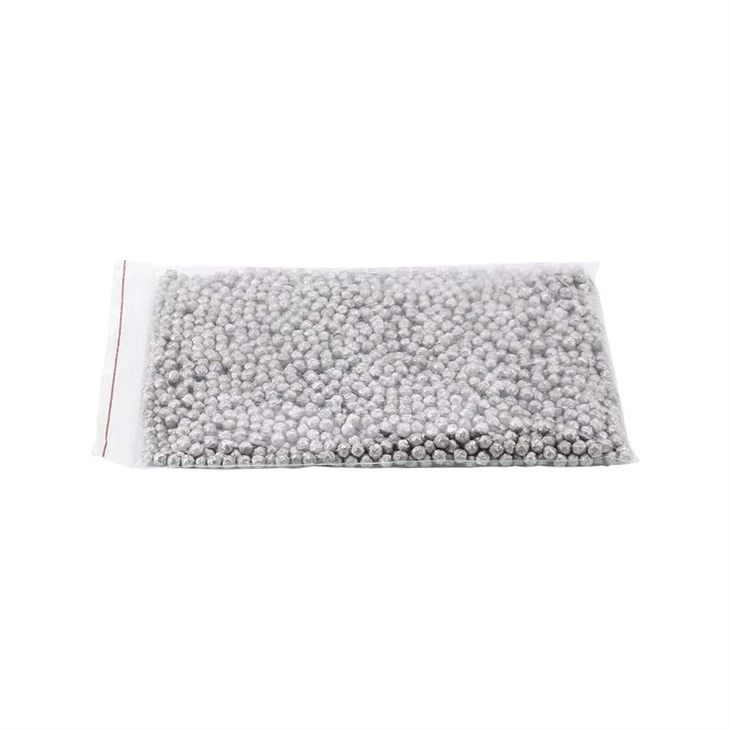
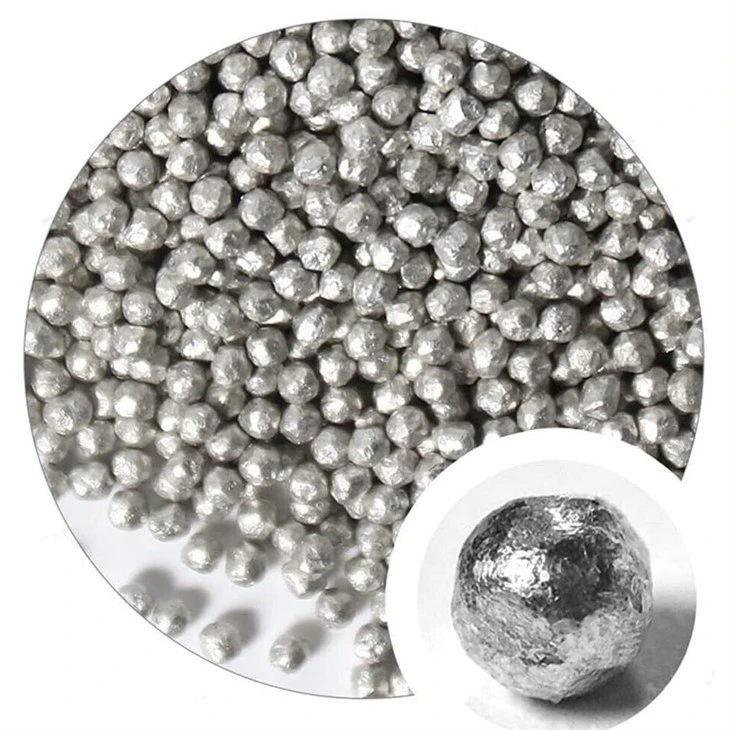
You can find a variety of magnesium products on our website, including MAGNESIUM SHAVINGS, 500g/17.6oz Magnesium Shavings Magnesium Metal Pure 99.99% Emergency Fire Starter For Camping Hiking Bushcraft BBQ, and Magnesium Chips, Grade: Nanoshel.
Conclusion
Choosing the right alloy grade is a critical decision that can have a significant impact on the performance and cost of your project. By considering the application requirements, chemical composition, mechanical properties, and cost, you can make an informed decision and select the alloy grade that best meets your needs.
At Buy Alloy, we are committed to providing our customers with high-quality alloys and expert advice. If you have any questions or need assistance in choosing the right alloy grade for your application, please don't hesitate to contact us. We look forward to working with you and helping you find the perfect alloy solution for your project.
References
- ASM Handbook Committee. (2000). ASM Handbook Volume 2: Properties and Selection: Nonferrous Alloys and Special-Purpose Materials. ASM International.
- Davis, J. R. (Ed.). (1994). Aluminum and Aluminum Alloys. ASM International.
- Schaeffler, A. L. (1949). Constitution Diagram for Stainless Steel Weld Metals. Welding Journal, 28(10), 601s-608s.