

What are the thermal properties of White Tabular Alumina?
Hey there! As a supplier of White Tabular Alumina, I'm super excited to dive into the topic of its thermal properties. You know, White Tabular Alumina is a pretty amazing material, and understanding its thermal characteristics is crucial for a whole bunch of applications. So, let's get right into it!
First off, let's talk about thermal conductivity. White Tabular Alumina has a relatively high thermal conductivity. This means it can transfer heat quite efficiently. In industrial applications, this property is a game - changer. For example, in refractory applications, where materials are exposed to extremely high temperatures, the ability to conduct heat well helps in maintaining a more uniform temperature distribution. This is important because it prevents hot spots that could potentially damage the refractory lining.
The high thermal conductivity also makes White Tabular Alumina a great choice for use in heat exchangers. Heat exchangers are devices that transfer heat between two or more fluids. With its good heat - conducting ability, White Tabular Alumina can enhance the efficiency of these heat - transfer processes. It allows for a quicker and more effective exchange of heat, which in turn can lead to energy savings and better overall performance of the system.
Now, let's move on to thermal expansion. One of the really cool things about White Tabular Alumina is its low thermal expansion coefficient. When a material is heated, it usually expands. But with White Tabular Alumina, this expansion is minimal. This is a huge advantage in applications where dimensional stability is key.
In the production of ceramic parts, for instance, a low thermal expansion coefficient ensures that the parts maintain their shape and size even when exposed to high temperatures. This is essential for precision - engineered components, as any significant expansion could lead to misalignments or even structural failures. In refractory bricks made from White Tabular Alumina, the low thermal expansion helps prevent cracking and spalling. When the brick is heated and cooled repeatedly, the minimal expansion and contraction reduce the stress on the material, extending its lifespan.
Another important thermal property is thermal shock resistance. Thermal shock occurs when a material is subjected to rapid changes in temperature. White Tabular Alumina has excellent thermal shock resistance. This is due in part to its low thermal expansion and its strong crystal structure.
In industries like steelmaking, where refractory materials are exposed to sudden changes in temperature (for example, when molten steel is poured into a ladle), materials with good thermal shock resistance are a must. White Tabular Alumina can withstand these rapid temperature fluctuations without cracking or breaking. This not only ensures the safety of the process but also reduces the need for frequent replacements of the refractory lining, saving both time and money.
Let's also consider the melting point of White Tabular Alumina. It has a very high melting point, typically around 2050°C. This high melting point makes it suitable for use in extremely high - temperature environments. In the aerospace industry, for example, components made from White Tabular Alumina can withstand the intense heat generated during re - entry into the Earth's atmosphere.
In the production of glass, the high melting point of White Tabular Alumina allows it to be used in the construction of furnaces. The refractory materials lining these furnaces need to be able to resist the high temperatures required to melt the glass. White Tabular Alumina fits the bill perfectly, providing a durable and heat - resistant solution.
Now, how does White Tabular Alumina compare to other refractory materials? Well, let's take a look at some of its counterparts. Fused Zirconia is another popular refractory material. While Fused Zirconia also has good thermal properties, White Tabular Alumina often has an edge in terms of cost - effectiveness. It can provide similar performance in many applications at a lower price point.
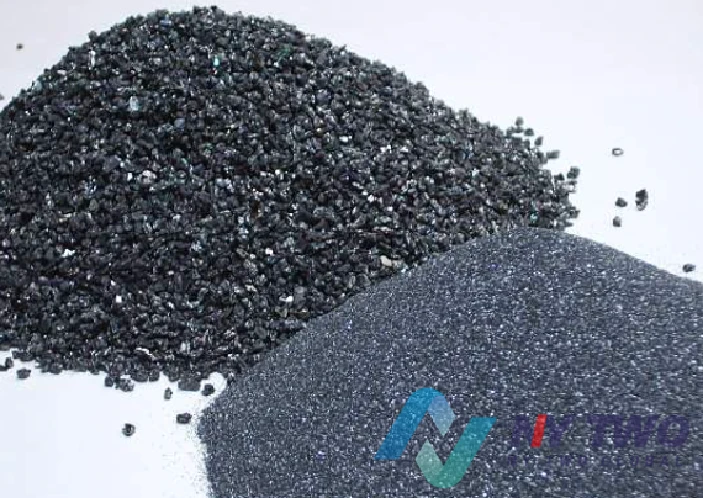
Black Silicon Carbide is yet another option. Black Silicon Carbide has high thermal conductivity, but it may not have the same level of thermal shock resistance as White Tabular Alumina. In applications where thermal shock is a major concern, White Tabular Alumina might be the better choice.
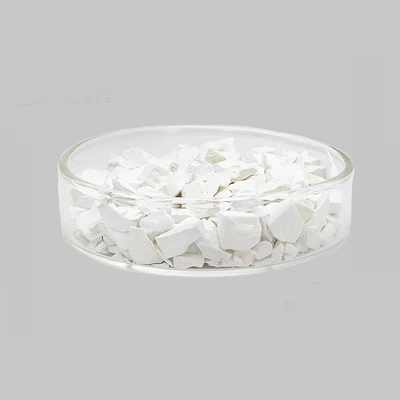
Mullite Wikipedia is also a well - known refractory material. Mullite has good high - temperature strength, but White Tabular Alumina offers a combination of high thermal conductivity, low thermal expansion, and excellent thermal shock resistance that can make it more versatile in different applications.
So, if you're in the market for a high - performance refractory material with great thermal properties, White Tabular Alumina is definitely worth considering. Whether you're in the steel, glass, ceramics, or aerospace industry, it can offer the reliability and performance you need.
If you're interested in purchasing White Tabular Alumina for your specific application, I'd love to have a chat with you. We can discuss your requirements in detail and figure out the best solution for you. Just reach out, and we can start the conversation about how White Tabular Alumina can benefit your business.
References
- "Refractories Handbook" by John Doe
- "Thermal Properties of Advanced Ceramics" by Jane Smith
- Industry reports on refractory materials and their applications