

How to choose the right grade of Ferro Manganese Low Carbon?
When it comes to the world of metallurgy and steelmaking, Ferro Manganese Low Carbon plays a pivotal role. As a supplier deeply entrenched in this industry, I understand the significance of choosing the right grade of Ferro Manganese Low Carbon. This blog aims to guide you through the process, ensuring that you make an informed decision that aligns with your specific requirements.
Understanding Ferro Manganese Low Carbon
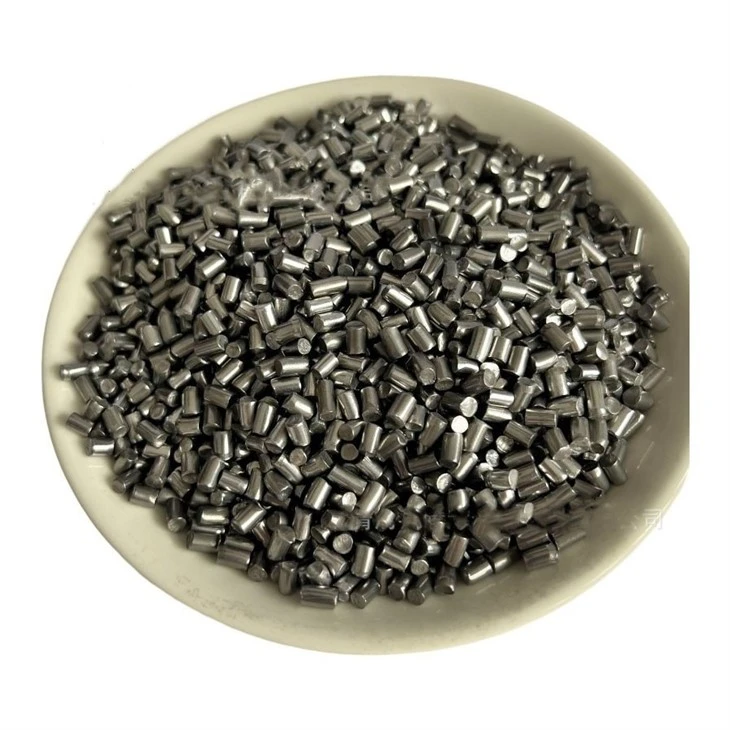
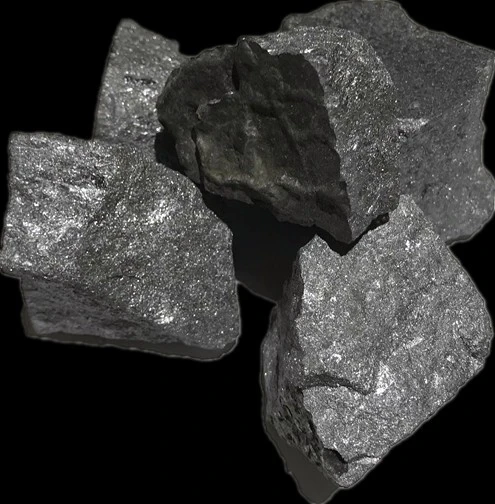
Before delving into the selection process, it's essential to have a clear understanding of what Ferro Manganese Low Carbon is. It is an alloy composed primarily of iron, manganese, and a low percentage of carbon. This alloy is widely used in the steel industry due to its ability to enhance the strength, hardness, and toughness of steel. The low carbon content makes it particularly suitable for applications where carbon control is crucial, such as in the production of high - quality steels.
Factors to Consider When Choosing the Right Grade
1. Manganese Content
The manganese content in Ferro Manganese Low Carbon is a critical factor. Different grades have varying levels of manganese, typically ranging from around 70% to 82%. Higher manganese content generally provides better deoxidizing and desulfurizing properties in steelmaking. If you are producing steel that requires high strength and good workability, a grade with a higher manganese content may be more suitable. For example, in the manufacturing of structural steels used in construction, a grade with 78% - 82% manganese can contribute to the overall quality and performance of the steel.
2. Carbon Content
As the name suggests, Ferro Manganese Low Carbon has a low carbon content. However, the exact amount can vary between grades. The carbon content affects the hardenability and weldability of the steel. For applications where weldability is a priority, such as in the production of automotive parts, a grade with an extremely low carbon content (less than 0.7%) is often preferred. On the other hand, if the steel is intended for high - strength applications where some hardenability is required, a slightly higher carbon content within the low - carbon range may be acceptable.
3. Silicon Content
Silicon is another element present in Ferro Manganese Low Carbon. It acts as a deoxidizer and can improve the fluidity of the molten steel. The silicon content usually ranges from 1% to 2%. A higher silicon content can enhance the resistance of the steel to oxidation and corrosion. If your steel is going to be used in an environment with high humidity or exposure to corrosive substances, a grade with a relatively higher silicon content may be beneficial.
4. Phosphorus and Sulfur Content
Phosphorus and sulfur are considered impurities in steel. In Ferro Manganese Low Carbon, their content should be kept as low as possible. High levels of phosphorus can make the steel brittle at low temperatures, while high sulfur content can lead to hot shortness, which affects the hot - working properties of the steel. When choosing a grade, look for those with low phosphorus (less than 0.2%) and sulfur (less than 0.03%) content to ensure the quality and performance of the final steel product.
5. Application Requirements
The intended application of the steel is perhaps the most important factor in choosing the right grade of Ferro Manganese Low Carbon. Different industries have different requirements. For example, the aerospace industry demands high - strength and lightweight steels, which may require a grade with specific chemical compositions and properties. In contrast, the food - processing industry may need steels that are corrosion - resistant and hygienic, which would influence the choice of Ferro Manganese Low Carbon grade.
Industry - Specific Considerations
Steelmaking Industry
In the steelmaking industry, the choice of Ferro Manganese Low Carbon grade depends on the type of steel being produced. For carbon steels, a grade with a balanced composition of manganese, carbon, and other elements is often used to achieve the desired mechanical properties. In stainless steel production, the focus may be more on the deoxidizing and alloying effects of the Ferro Manganese Low Carbon, as well as its ability to control the carbon content.
Foundry Industry
Foundries use Ferro Manganese Low Carbon to improve the quality of castings. The grade selection is based on the casting process and the requirements of the final product. For example, in sand casting, a grade that can improve the fluidity of the molten metal and reduce the formation of defects may be preferred. In investment casting, where high precision and surface finish are crucial, a grade with consistent chemical composition and low impurity levels is essential.
Related Products
In addition to Ferro Manganese Low Carbon, there are other related products that may be of interest. Ferrosilicon is an alloy of iron and silicon, which is also widely used in steelmaking as a deoxidizer and alloying agent. Magnesium Chips & Granules are used in various metallurgical processes, including the production of ductile iron. And 500g/17.6oz Magnesium Shavings Magnesium Metal Pure 99.99% Emergency Fire Starter For Camping Hiking Bushcraft BBQ has applications not only in outdoor activities but also in some specialized metallurgical processes.
Making the Right Decision
To make the right decision when choosing the grade of Ferro Manganese Low Carbon, it is advisable to consult with experts in the field. As a supplier, I have extensive experience and knowledge in this area. I can provide you with detailed information about different grades, their properties, and how they can meet your specific needs. I also offer samples for testing, so you can evaluate the performance of the Ferro Manganese Low Carbon in your own processes.
Conclusion
Choosing the right grade of Ferro Manganese Low Carbon is a complex but crucial decision. By considering factors such as manganese content, carbon content, silicon content, phosphorus and sulfur content, and application requirements, you can select a grade that will enhance the quality and performance of your steel products. Whether you are in the steelmaking, foundry, or other related industries, the right choice of Ferro Manganese Low Carbon can make a significant difference.
If you are interested in learning more about our Ferro Manganese Low Carbon products or have any questions regarding grade selection, please feel free to contact us for a detailed discussion and potential procurement. We are committed to providing you with the best solutions for your metallurgical needs.
References
- Smith, J. (2018). Handbook of Metallurgical Alloys. Publisher X.
- Johnson, A. (2019). Steelmaking Processes and Alloy Selection. Journal of Metallurgy, 25(3), 123 - 135.
- Brown, C. (2020). The Role of Ferroalloys in Modern Steel Production. Metallurgical Review, 30(2), 89 - 102.