

What is the difference between Brown Fused Alumina and White Fused Alumina?
In the vast landscape of industrial abrasives and refractory materials, Brown Fused Alumina (BFA) and White Fused Alumina (WFA) stand out as two prominent players. As a supplier of Brown Fused Alumina, I've witnessed firsthand the unique characteristics and applications of these materials. In this blog, I'll delve into the differences between Brown Fused Alumina and White Fused Alumina, shedding light on their properties, production processes, and typical uses.
Production Processes
The production processes of Brown Fused Alumina and White Fused Alumina are the first factors that set them apart.
Brown Fused Alumina is produced by smelting bauxite, anthracite, and iron filings in an electric arc furnace at a high temperature of around 2000 - 2200°C. Bauxite serves as the primary raw material, which contains a significant amount of aluminum oxide along with other impurities such as silica, iron oxide, and titanium dioxide. During the smelting process, these impurities react with each other and are removed in the form of slag, leaving behind a fused mass of alumina. The presence of these impurities gives Brown Fused Alumina its characteristic brown color and also contributes to its unique properties [1].
On the other hand, White Fused Alumina is made from high - purity aluminum oxide powder. The powder is melted in an electric arc furnace at a temperature of approximately 2050 - 2250°C. Since the raw material is of high purity, the resulting White Fused Alumina has a very low impurity content. This purity is what gives it its white color and distinct physical and chemical properties.
Chemical Composition
The chemical composition is another crucial aspect where Brown Fused Alumina and White Fused Alumina differ significantly.
Brown Fused Alumina typically contains about 94 - 97% aluminum oxide (Al₂O₃). The remaining percentage consists of impurities such as silica (SiO₂), iron oxide (Fe₂O₃), and titanium dioxide (TiO₂). These impurities, although in relatively small amounts, have a notable impact on the material's properties. For example, the presence of iron oxide can enhance the material's magnetic properties to some extent, and titanium dioxide can contribute to its toughness [2].
White Fused Alumina, in contrast, has a much higher purity level, with aluminum oxide content usually exceeding 99%. The extremely low impurity content makes it a chemically stable material, resistant to many chemical reactions. This high purity also results in a more uniform crystal structure, which is beneficial for applications that require high - precision and consistent performance.
Physical Properties
The physical properties of Brown Fused Alumina and White Fused Alumina are also quite distinct.
In terms of hardness, both materials are very hard, but there is a slight difference. Brown Fused Alumina has a Mohs hardness of around 9, which makes it suitable for applications where high abrasion resistance is required. Its hardness, combined with the presence of impurities, gives it a certain degree of toughness. This means that it can withstand high - pressure and high - impact applications without easily fracturing.
White Fused Alumina has a similar Mohs hardness of about 9, but it is generally considered to be more brittle than Brown Fused Alumina. However, this brittleness also has its advantages. In abrasive applications, the sharp edges of White Fused Alumina particles can be more effective in cutting and grinding, resulting in a smoother surface finish.
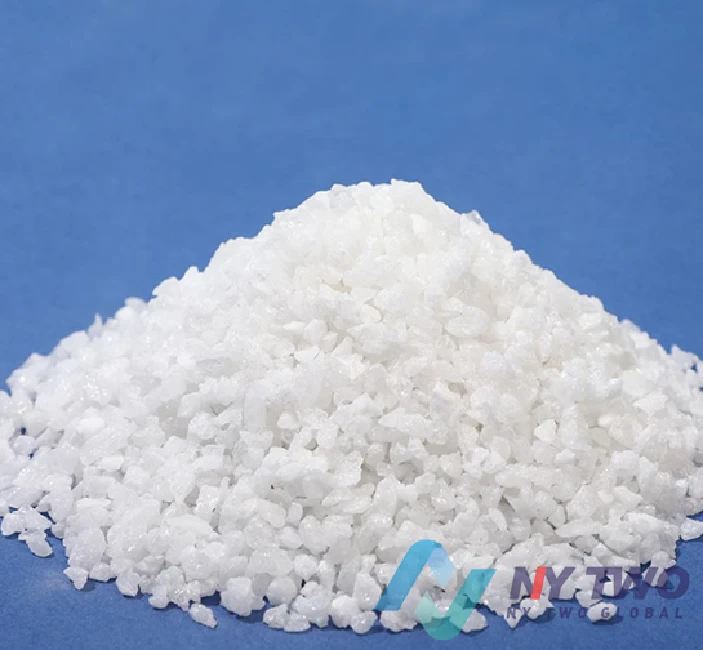
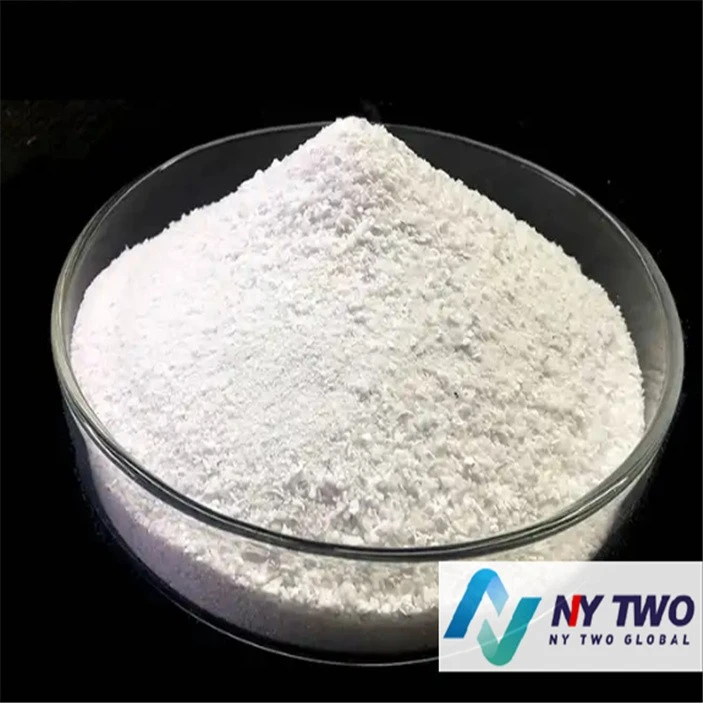
The color is an obvious visual difference between the two materials. As mentioned earlier, Brown Fused Alumina has a brown color due to the presence of impurities, while White Fused Alumina is white, indicating its high purity.
Applications
The differences in properties between Brown Fused Alumina and White Fused Alumina lead to different application areas.
Brown Fused Alumina is widely used in abrasive applications. It is commonly used in grinding wheels for grinding metals, such as carbon steel, alloy steel, and cast iron. Its toughness allows it to maintain its shape and cutting ability even under high - pressure grinding conditions. It is also used in sandblasting operations to clean and prepare metal surfaces. In addition, Brown Fused Alumina is used in refractory applications. It can be used as a raw material for manufacturing refractory bricks, castables, and other refractory products. Its high melting point and good thermal stability make it suitable for lining furnaces and other high - temperature industrial equipment [3].
White Fused Alumina, on the other hand, is often used in applications that require high - precision and high - quality surface finishes. It is commonly used in the production of precision grinding wheels for grinding hard and brittle materials such as ceramics, glass, and carbide tools. Its sharp cutting edges can achieve very fine surface finishes, which is crucial for applications in the aerospace, automotive, and electronics industries. White Fused Alumina is also used in the production of advanced refractory materials, especially those that require high chemical purity and resistance to corrosion [4].
Cost Considerations
Cost is an important factor in the choice between Brown Fused Alumina and White Fused Alumina.
Brown Fused Alumina is generally more cost - effective than White Fused Alumina. The raw materials for Brown Fused Alumina, such as bauxite, are more abundant and less expensive compared to the high - purity aluminum oxide powder used for White Fused Alumina. The production process of Brown Fused Alumina is also relatively simpler, which further reduces the production cost. This makes Brown Fused Alumina a popular choice for applications where cost is a major concern and high - purity is not strictly required.
White Fused Alumina, due to its high - purity raw materials and more complex production process, is more expensive. However, for applications where high - precision, high - quality surface finishes, and chemical stability are essential, the higher cost may be justified.
Conclusion
In conclusion, Brown Fused Alumina and White Fused Alumina have significant differences in terms of production processes, chemical composition, physical properties, applications, and cost. Brown Fused Alumina, with its relatively lower cost, toughness, and good abrasion resistance, is suitable for a wide range of general - purpose abrasive and refractory applications. White Fused Alumina, with its high purity, sharp cutting edges, and chemical stability, is more suitable for high - precision and high - quality applications.
As a supplier of Brown Fused Alumina, I understand the importance of choosing the right material for your specific needs. Whether you are looking for a cost - effective solution for your abrasive or refractory applications or need a high - quality material for precision work, I can provide you with the best - suited Brown Fused Alumina products. If you are interested in learning more about our Brown Fused Alumina products or have any questions regarding the selection of abrasives and refractory materials, please feel free to contact me for a procurement discussion.
If you want to know more about the properties and classification of corundum, you can visit Properties And Classification Of Corundum. For information about Fused Spinel Hs Code, check out Fused Spinel Hs Code. And for details on Aluminumsilicate, click Aluminumsilicate.
References
[1] Smith, J. (2018). "Production and Properties of Brown Fused Alumina". Journal of Industrial Materials, 25(3), 45 - 52.
[2] Johnson, R. (2019). "Chemical Composition and Applications of Abrasive Materials". International Journal of Abrasive Technology, 32(2), 67 - 74.
[3] Williams, M. (2020). "Refractory Applications of Brown Fused Alumina". Refractory Materials Review, 18(4), 89 - 96.
[4] Davis, L. (2021). "High - Precision Applications of White Fused Alumina". Journal of Precision Engineering, 45(1), 123 - 130.