

How to control the production cost of Fused Spinel?
As a supplier of Fused Spinel, I understand the critical importance of controlling production costs in today's competitive market. Fused Spinel is a high - performance refractory material widely used in various industries such as steelmaking, cement, and glass manufacturing. In this blog, I will share some effective strategies that we, as a Fused Spinel supplier, have adopted to manage and reduce production costs.
1. Raw Material Sourcing
The first and most significant factor in controlling the production cost of Fused Spinel is raw material sourcing. The primary raw materials for Fused Spinel production are alumina and magnesia.
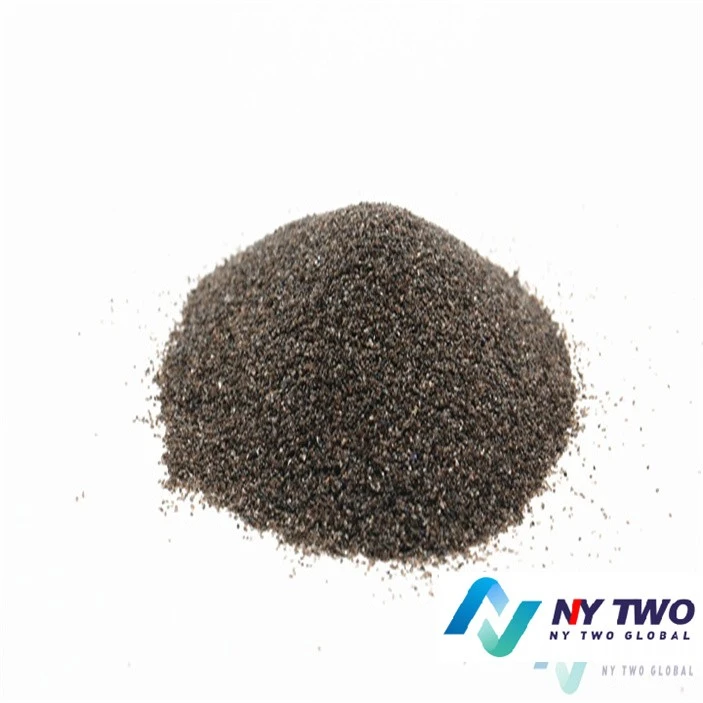
When it comes to alumina, Brown Fused Alumina Manufacturers & Suppliers play a crucial role. Brown Fused Alumina (BFA) is a popular choice due to its relatively low cost and good performance. BFA is ideal for the refractory and ceramic industries as it has high hardness, good thermal conductivity, and excellent chemical stability. By establishing long - term partnerships with reliable BFA suppliers, we can negotiate better prices and ensure a stable supply of high - quality raw materials.
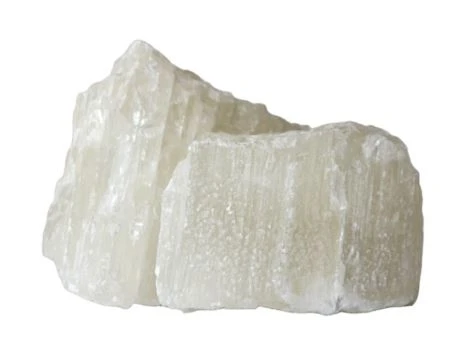
For magnesia, White Fused Magnesia is often used. We work closely with magnesia suppliers to optimize the procurement process. This includes conducting regular market research to identify the most cost - effective sources, taking advantage of bulk purchasing discounts, and ensuring the proper storage of magnesia to prevent quality degradation.
2. Energy Management
Energy consumption is a major cost component in Fused Spinel production. The fusion process requires a large amount of heat, usually provided by electric arc furnaces. To reduce energy costs, we have implemented several energy - saving measures.
Firstly, we have upgraded our electric arc furnaces to more energy - efficient models. These new furnaces are designed with advanced insulation materials and improved electrical systems, which can significantly reduce heat loss and improve energy conversion efficiency.
Secondly, we have optimized the melting process parameters. By carefully controlling the temperature, current, and melting time, we can achieve the same level of product quality with less energy input. For example, we use advanced sensors and control systems to monitor and adjust the process in real - time, ensuring that the furnace operates at its optimal energy efficiency point.
In addition, we have also explored the possibility of using renewable energy sources. Although the full - scale adoption of renewable energy in Fused Spinel production is still a challenge, we are gradually integrating solar and wind power into our energy mix to reduce our reliance on traditional fossil fuels.
3. Process Optimization
Streamlining the production process is another key strategy for cost control. We continuously analyze and improve each step of the Fused Spinel production process to eliminate waste and inefficiencies.
One area of focus is the crushing and grinding process. By using high - efficiency crushers and grinders, we can reduce the energy consumption and processing time required to achieve the desired particle size. We also optimize the classification process to ensure that the final product has a narrow particle size distribution, which can improve its performance and reduce the amount of over - sized or under - sized particles that need to be re - processed.
Another aspect is the quality control process. By implementing a strict in - process quality control system, we can detect and correct any quality issues early in the production process. This reduces the number of defective products and the associated costs of rework or scrap.
4. Labor Productivity
Labor cost is an important part of the overall production cost. To improve labor productivity, we have invested in employee training and development programs. Our workers are trained to operate the production equipment more efficiently, follow the best - practice production processes, and troubleshoot common problems.
We also use performance - based incentive systems to motivate our employees. By setting clear performance targets and rewarding employees who meet or exceed these targets, we can encourage them to work more productively. In addition, we have automated some of the repetitive and labor - intensive tasks in the production process, which not only reduces labor costs but also improves the consistency and quality of the products.
5. Waste Reduction and Recycling
Reducing waste and recycling are essential for cost control and environmental sustainability. In Fused Spinel production, there are several types of waste generated, such as slag, dust, and off - spec products.
We have established a waste management system to separate and recycle these waste materials. For example, the slag generated during the fusion process can be crushed and re - used as a raw material in some applications. The dust collected from the production process can be recycled back into the furnace to reduce the loss of valuable raw materials.
By recycling waste materials, we can not only reduce the cost of raw material procurement but also minimize the environmental impact of our production activities.
6. Equipment Maintenance
Proper equipment maintenance is crucial for ensuring the smooth operation of the production line and reducing unexpected breakdowns. We have developed a comprehensive equipment maintenance plan that includes regular inspections, preventive maintenance, and timely repairs.
Regular inspections help us to identify potential problems early, allowing us to take corrective actions before they lead to major breakdowns. Preventive maintenance tasks, such as lubrication, calibration, and replacement of worn - out parts, are carried out according to a strict schedule to extend the service life of the equipment.
By investing in equipment maintenance, we can reduce the cost of unplanned downtime and the associated loss of production. In addition, well - maintained equipment operates more efficiently, which can also contribute to energy savings.
In conclusion, controlling the production cost of Fused Spinel requires a comprehensive approach that covers raw material sourcing, energy management, process optimization, labor productivity, waste reduction, and equipment maintenance. By implementing these strategies, we, as a Fused Spinel supplier, have been able to achieve significant cost savings while maintaining the high quality of our products.
If you are interested in purchasing Fused Spinel or have any questions about our products and cost - control measures, please feel free to contact us for further discussion and negotiation. We are committed to providing you with high - quality products at competitive prices.
References
- ASTM International. (20XX). Standards related to refractory materials.
- Industry reports on refractory material production and cost management.
- Research papers on energy - efficient melting processes in refractory production.