

How to improve the dispersion of White Fused Alumina in a matrix?
Improving the dispersion of white fused alumina in a matrix is a crucial aspect for many industrial applications. As a trusted supplier of white fused alumina, we understand the challenges and significance of achieving optimal dispersion. In this blog, we will explore various strategies and factors that can enhance the dispersion of white fused alumina, ensuring better performance in different matrices.
Understanding White Fused Alumina
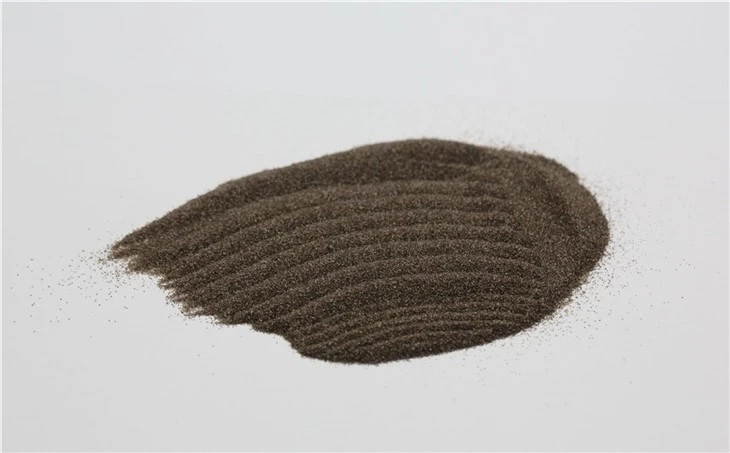
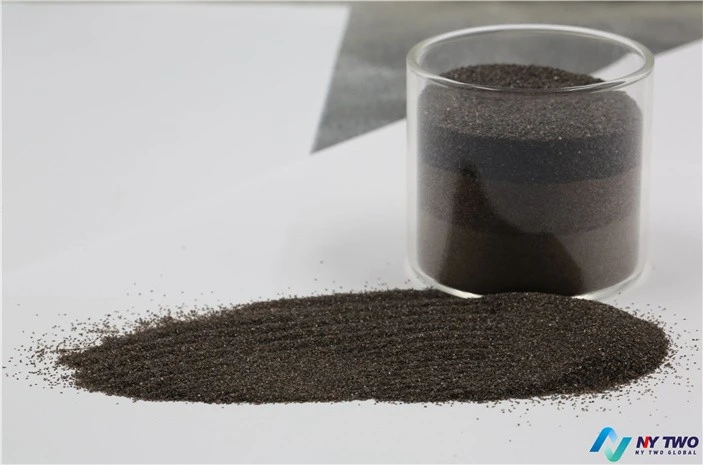
White fused alumina is a high - quality abrasive and refractory material known for its high purity, hardness, and excellent chemical stability. It is produced by fusing high - grade alumina powder in an electric arc furnace at extremely high temperatures. The resulting product has a white color and a uniform crystal structure, making it suitable for a wide range of applications, including grinding, polishing, and refractory manufacturing.
Factors Affecting the Dispersion of White Fused Alumina
- Particle Size and Distribution
The particle size and its distribution play a vital role in the dispersion of white fused alumina. Smaller particles generally have a larger surface area, which can lead to better interaction with the matrix. However, if the particles are too small, they may tend to agglomerate due to strong inter - particle forces such as van der Waals forces. A narrow particle size distribution is often preferred as it can reduce the likelihood of particle packing and agglomeration. For example, in a coating matrix, a well - dispersed white fused alumina with a narrow particle size range can provide a more uniform surface finish. - Surface Properties
The surface properties of white fused alumina particles, such as surface charge and surface energy, can significantly affect dispersion. Particles with a high surface energy tend to agglomerate to reduce their total surface area. Surface treatment can be used to modify the surface properties of the particles. For instance, coating the particles with a thin layer of a coupling agent can change the surface charge and reduce the surface energy, thereby improving dispersion. This is particularly important in polymer matrices, where good interfacial adhesion between the white fused alumina and the polymer is required. - Matrix Viscosity
The viscosity of the matrix also influences the dispersion of white fused alumina. In a low - viscosity matrix, the particles can move more freely, but they may also settle more quickly. On the other hand, a high - viscosity matrix can provide better support for the particles and prevent settling, but it may make it more difficult to disperse the particles initially. Therefore, finding the right balance of matrix viscosity is essential. For example, in a resin - based composite, adjusting the resin formulation to achieve an appropriate viscosity can improve the dispersion of white fused alumina during the mixing process.
Strategies to Improve Dispersion
- Mechanical Mixing
Mechanical mixing is one of the most common methods to disperse white fused alumina in a matrix. High - shear mixers, ball mills, and ultrasonic mixers can be used to break up agglomerates and distribute the particles evenly. High - shear mixers apply strong shear forces to the mixture, which can separate the agglomerated particles. Ball mills use grinding media to break the agglomerates and disperse the particles. Ultrasonic mixers generate ultrasonic waves that create cavitation bubbles in the liquid, and the collapse of these bubbles can break up the agglomerates. For example, when preparing a ceramic slurry with white fused alumina, using an ultrasonic mixer for a certain period can significantly improve the dispersion of the particles. - Surface Modification
As mentioned earlier, surface modification can improve the dispersion of white fused alumina. Coupling agents, such as silane coupling agents, can be used to modify the surface of the particles. These agents have functional groups that can react with both the surface of the white fused alumina and the matrix. For example, in a glass - fiber - reinforced polymer composite containing white fused alumina, silane coupling agents can enhance the adhesion between the alumina particles and the polymer matrix, thus improving dispersion and the overall mechanical properties of the composite. - Use of Dispersants
Dispersants are additives that can reduce the surface tension between the particles and the matrix, preventing particle agglomeration. There are different types of dispersants, including anionic, cationic, and non - ionic dispersants. The choice of dispersant depends on the nature of the matrix and the surface properties of the white fused alumina. For example, in a water - based paint system, an anionic dispersant may be suitable for dispersing white fused alumina particles. The dispersant adsorbs onto the particle surface, creating a repulsive force between the particles and keeping them dispersed.
Practical Applications and Examples
- Abrasive Tools
In the manufacturing of abrasive tools, such as grinding wheels and sandpapers, good dispersion of white fused alumina is essential for consistent cutting performance. When the white fused alumina particles are well - dispersed in the binder matrix, they can provide a uniform cutting surface, resulting in better grinding efficiency and longer tool life. For example, a grinding wheel with well - dispersed white fused alumina can achieve a smoother finish on the workpiece and reduce the risk of surface defects. - Refractory Materials
In refractory applications, white fused alumina is often used as a key component to improve the heat resistance and mechanical strength of the refractory material. Good dispersion of white fused alumina in the refractory matrix can enhance the density and uniformity of the material, leading to better thermal insulation and resistance to chemical attack. For instance, in a high - temperature furnace lining made of refractory bricks containing white fused alumina, proper dispersion can prevent the formation of weak spots and improve the overall durability of the lining.
Related Products
In addition to white fused alumina, we also offer other related products such as Brown Aluminium Oxide, WA White Corundum Sand, and Brown Fused Alumina Polishing Powder. These products also have their unique properties and applications, and they can be used in combination with white fused alumina in some cases to achieve specific performance requirements.
Conclusion
Improving the dispersion of white fused alumina in a matrix is a complex but important task. By understanding the factors affecting dispersion and implementing appropriate strategies such as mechanical mixing, surface modification, and the use of dispersants, we can achieve better dispersion and enhance the performance of the final product. As a reliable white fused alumina supplier, we are committed to providing high - quality products and technical support to our customers. If you are interested in our white fused alumina products or have any questions about improving dispersion in your specific application, please feel free to contact us for further discussion and potential procurement opportunities.
References
- Keddie, J. L., & Jones, R. A. L. (Eds.). (2003). Surface and Interfacial Forces. Cambridge University Press.
- Fowkes, F. M. (1964). Attractive forces at interfaces. Industrial & Engineering Chemistry, 56(12), 40 - 52.
- Liddell, K. G. (1991). Dispersants and their use in coatings. Journal of Coatings Technology, 63(795), 69 - 79.