

How to install refractory anchors?
Hey there! As a refractory supplier, I often get asked about the proper way to install refractory anchors. It's a crucial step in ensuring the longevity and performance of refractory linings in various industrial applications. So, I thought I'd share some insights on how to install refractory anchors effectively.
Why Refractory Anchors Matter
Before we dive into the installation process, let's quickly talk about why refractory anchors are so important. Refractory materials are used in high - temperature environments like furnaces, kilns, and incinerators. These materials need to be held in place securely to prevent them from shifting, cracking, or falling out due to thermal expansion, mechanical stress, or vibration. Refractory anchors act as the “glue” that keeps the refractory lining intact, providing structural support and enhancing the overall stability of the lining.
Types of Refractory Anchors
There are several types of refractory anchors available, each designed for specific applications and refractory materials. Some common types include:
- Welded Anchors: These are welded directly to the metal shell of the furnace or equipment. They're great for heavy - duty applications where a strong and permanent attachment is required.
- Stud Welded Anchors: Similar to welded anchors, but they use a stud - welding process. This method is quicker and can be more cost - effective in some cases.
- Cast - in - Place Anchors: These anchors are embedded in the refractory material during the casting process. They're often used with monolithic refractories.
- Hook - Type Anchors: These have a hook - shaped design that provides a mechanical interlock with the refractory material. They're commonly used in lightweight refractory applications.
Tools and Materials You'll Need
Before you start installing refractory anchors, make sure you have the following tools and materials on hand:
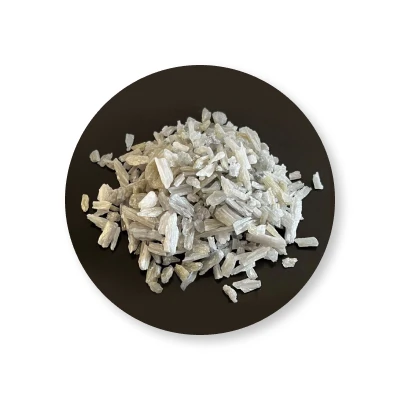
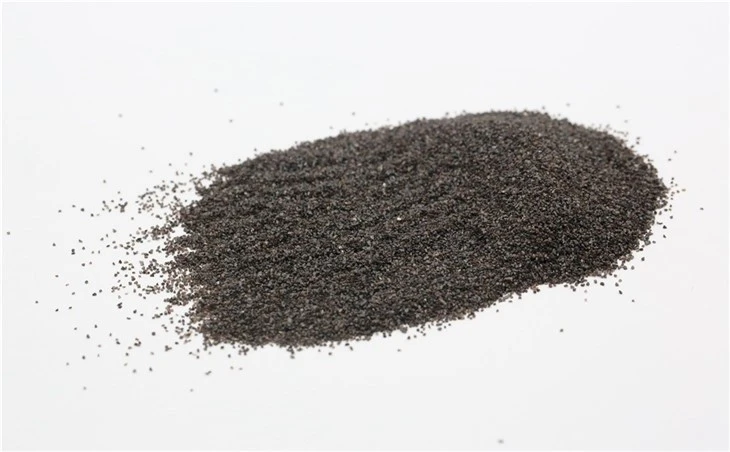
- Anchors: Choose the right type and size of anchors based on your application. You can check out Brown Corundum And White Corundum Difference to understand more about refractory materials that may be used in conjunction with these anchors.
- Welding Equipment: If you're using welded or stud - welded anchors, you'll need a welding machine, electrodes, and other welding accessories.
- Measuring Tools: A tape measure, level, and square to ensure accurate placement of the anchors.
- Safety Gear: Safety glasses, gloves, and a welding helmet to protect yourself during the installation process.
- Refractory Material: The type of refractory you'll be using to line the equipment. You might be interested in White Corundum Powder for some high - performance applications.
Step - by - Step Installation Guide
Step 1: Surface Preparation
The first step is to prepare the surface where the anchors will be installed. Clean the metal shell of the furnace or equipment thoroughly to remove any dirt, rust, or grease. A clean surface ensures good adhesion and a strong bond between the anchor and the metal. You can use a wire brush, sandblaster, or chemical cleaner to clean the surface.
Step 2: Layout and Marking
Next, you need to determine the layout of the anchors. The spacing and pattern of the anchors depend on the type of refractory material, the size of the equipment, and the operating conditions. Use a measuring tape and a level to mark the positions of the anchors on the metal surface. Make sure the marks are straight and evenly spaced.
Step 3: Welding the Anchors
If you're using welded or stud - welded anchors, it's time to start welding. Follow these tips for a successful weld:
- Pre - heat the Metal: In some cases, pre - heating the metal surface can help reduce stress and prevent cracking during the welding process.
- Use the Right Welding Technique: Follow the manufacturer's instructions for the type of welding electrode and the welding parameters (such as current, voltage, and travel speed).
- Check the Weld Quality: After welding each anchor, inspect the weld for any signs of cracks, porosity, or incomplete fusion. A good weld should be strong and smooth.
Step 4: Cast - in - Place or Hook - Type Anchor Installation
If you're using cast - in - place anchors, embed them in the refractory material during the casting process. Make sure they're properly positioned and held in place until the refractory sets. For hook - type anchors, simply insert them into the refractory material at the marked positions.
Step 5: Inspect the Installation
Once all the anchors are installed, inspect the installation one more time. Check for any loose or misaligned anchors. Make sure the anchors are firmly attached to the metal surface and that they're providing the necessary support for the refractory lining.
Tips for a Successful Installation
- Follow the Manufacturer's Instructions: Each type of refractory anchor has specific installation requirements. Make sure you read and follow the manufacturer's instructions carefully.
- Train Your Installers: If you're not doing the installation yourself, make sure your installers are properly trained in refractory anchor installation techniques.
- Use Quality Materials: Using high - quality refractory anchors and materials can make a big difference in the performance and longevity of the refractory lining. You can learn more about refractory materials by checking Mullite Wikipedia.
Conclusion
Installing refractory anchors is a critical step in the process of lining industrial equipment with refractory materials. By following the steps outlined in this guide and using the right tools and materials, you can ensure a successful installation that will provide long - lasting support for your refractory lining.
If you're in the market for refractory anchors or other refractory products, we're here to help. We offer a wide range of high - quality refractory materials and anchors to meet your specific needs. Whether you're working on a small furnace or a large industrial kiln, we've got the products and expertise to support your project. Reach out to us to start a conversation about your refractory requirements and let's find the best solutions together.
References
- Industry standards for refractory installation
- Manufacturer's guidelines for refractory anchors and materials