

What is the impact of raw bauxite quality on the performance of a rotary kiln?
Hey there! As a supplier of Rotary Kiln Bauxite, I've seen firsthand how the quality of raw bauxite can have a huge impact on the performance of a rotary kiln. In this blog post, I'm gonna break down exactly what those impacts are and why it matters to you.
1. Chemical Composition and Its Effects
The chemical composition of raw bauxite is like the DNA of the whole process. One of the key components is alumina (Al₂O₃). Higher alumina content in bauxite generally means better performance in the rotary kiln. Alumina is what we're after in a lot of refractory applications, and when the bauxite has a good amount of it, the kiln can produce high - quality products.
For example, when making Fused Mullite Manufacturers & Suppliers, a high - alumina bauxite will react more efficiently in the rotary kiln. Mullite is a super important refractory material, and a good alumina - rich bauxite will lead to a more consistent and high - grade mullite production.
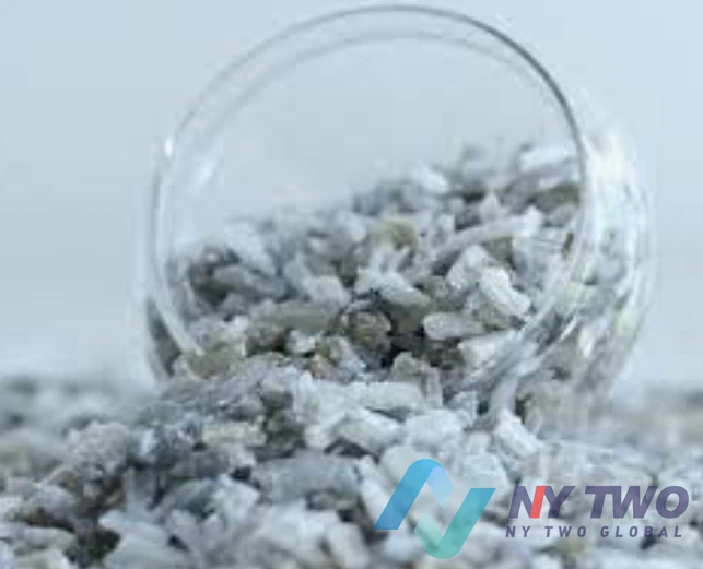
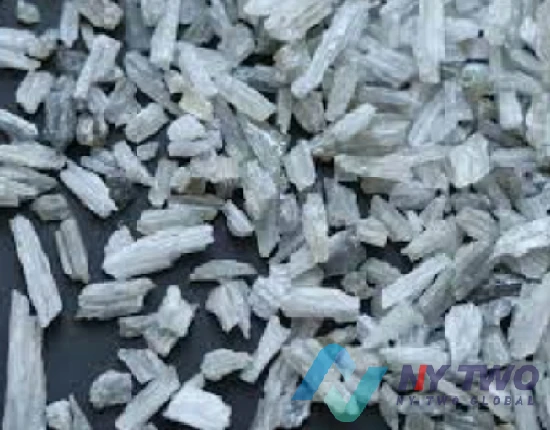
On the other hand, impurities in the bauxite can really mess things up. Things like silica (SiO₂), iron oxide (Fe₂O₃), and titanium dioxide (TiO₂) can cause problems. Silica, if present in large amounts, can form low - melting - point compounds during the firing process in the rotary kiln. This can lead to clinker formation, which is basically a big lump of fused material that can clog the kiln. It slows down the production process, increases energy consumption, and can even damage the kiln lining over time.
Iron oxide can also be a pain. It can cause color changes in the final product, which might not be desirable, especially in applications where color consistency is important. And titanium dioxide can affect the thermal properties of the final refractory product. So, having a bauxite with low levels of these impurities is crucial for smooth kiln operation.
2. Physical Properties and Kiln Performance
The physical properties of raw bauxite, like particle size and porosity, play a big role too. If the bauxite particles are too large, they won't react uniformly in the rotary kiln. It's like trying to cook a big piece of meat all the way through – the outside might be done, but the inside is still raw. In the kiln, large particles can lead to incomplete reactions, which means lower - quality products.
On the flip side, if the particles are too small, they can create dust problems. Dust can be a safety hazard for the workers, and it can also cause issues with the kiln's ventilation system. It might clog the filters and reduce the efficiency of the kiln.
Porosity is another important factor. Bauxite with high porosity has more surface area for reactions to take place. This can speed up the chemical reactions in the kiln, leading to faster production times. But if the porosity is too high, the bauxite might be too fragile, and it could break down easily during handling and in the kiln, creating more dust and potential blockages.
3. Impact on Energy Consumption
The quality of raw bauxite can have a direct impact on the energy consumption of the rotary kiln. A high - quality bauxite with the right chemical and physical properties will react more efficiently. This means that less energy is needed to achieve the desired chemical reactions.
For instance, if the bauxite has a high alumina content and low impurities, the kiln doesn't have to work as hard to convert it into the final product. It can reach the necessary temperatures faster and maintain them more easily. On the other hand, a low - quality bauxite with lots of impurities will require more energy to overcome the additional chemical reactions and phase changes caused by those impurities.
This increased energy consumption not only costs more money but also has a negative environmental impact. As a responsible supplier, I always recommend using high - quality bauxite to help reduce energy costs and the carbon footprint of the production process.
4. Product Quality and Consistency
The final product quality is directly related to the quality of the raw bauxite used in the rotary kiln. When using high - quality bauxite, the products, such as Tabular Alumina and Fused Aluminum Oxide NY2, will have better physical and chemical properties.
For example, tabular alumina made from high - grade bauxite will have better thermal shock resistance, higher refractoriness, and more consistent grain size. This makes it more suitable for high - end refractory applications, like in steelmaking furnaces.
Consistency is also key. If the quality of the raw bauxite varies from batch to batch, the final product quality will also vary. This can be a big problem for customers who rely on a consistent product for their own manufacturing processes. By using high - quality, consistent bauxite, we can ensure that the products coming out of the rotary kiln are of the same high standard every time.
5. Long - Term Kiln Health
The quality of raw bauxite can affect the long - term health of the rotary kiln. As I mentioned earlier, impurities in the bauxite can cause clinker formation and corrosion of the kiln lining. Over time, this can lead to serious damage to the kiln.
Clinker can put extra stress on the kiln's rotating parts, leading to premature wear and tear. And corrosion of the kiln lining means that it will need to be replaced more frequently. This not only costs money but also causes downtime in production.
By using high - quality bauxite with low impurities, we can extend the lifespan of the rotary kiln. This means less maintenance, lower costs, and more reliable production in the long run.
Why It Matters to You
If you're in the market for refractory materials like fused mullite, tabular alumina, or fused aluminum oxide, the quality of the raw bauxite used in their production is crucial. High - quality bauxite means better - performing products, lower energy costs, and a more reliable supply chain.
As a Rotary Kiln Bauxite supplier, I'm committed to providing you with the best - quality bauxite. We carefully source our bauxite from reliable mines and conduct strict quality control measures to ensure that you get a product that meets your needs.
If you're interested in learning more about our Rotary Kiln Bauxite or have any questions about how it can improve your production process, don't hesitate to reach out. We're here to help you make the most of your rotary kiln and get the highest - quality refractory products. Let's start a conversation and see how we can work together to take your business to the next level.
References
- "Refractory Materials Handbook" - A comprehensive guide on the properties and production of refractory materials.
- Industry research papers on the impact of raw material quality on rotary kiln performance.