

How to install the support rollers in a rotary kiln for bauxite?
Installing support rollers in a rotary kiln for bauxite is a critical process that requires careful planning, precision, and adherence to safety standards. As a leading supplier of rotary kiln bauxite products, I understand the importance of proper installation to ensure the efficient and reliable operation of the kiln. In this blog post, I will share a step-by-step guide on how to install support rollers in a rotary kiln for bauxite, along with some tips and best practices.
Step 1: Preparation
Before starting the installation process, it is essential to gather all the necessary tools and equipment. This includes a crane or hoist for lifting the support rollers, a torque wrench for tightening bolts, a level for ensuring proper alignment, and safety gear such as hard hats, safety glasses, and gloves.
Inspect the support rollers and the kiln structure for any damage or defects. Check the dimensions of the rollers to ensure they match the specifications of the kiln. Clean the surfaces where the rollers will be installed to remove any dirt, debris, or rust.
Step 2: Positioning the Support Rollers
Use the crane or hoist to lift the support rollers into position below the kiln. Make sure the rollers are aligned with the kiln's axis and that the spacing between the rollers is consistent. Use a level to ensure that the rollers are perfectly horizontal.
Once the rollers are in position, secure them temporarily using clamps or bolts. This will prevent the rollers from moving during the installation process.
Step 3: Alignment
Proper alignment of the support rollers is crucial for the smooth operation of the rotary kiln. Use a laser alignment tool or a theodolite to measure the alignment of the rollers. Adjust the position of the rollers as needed to ensure that they are parallel to each other and to the kiln's axis.
Check the alignment of the rollers from multiple angles to ensure accuracy. Make small adjustments gradually and recheck the alignment after each adjustment.
Step 4: Mounting the Support Rollers
Once the rollers are properly aligned, permanently mount them to the kiln structure using bolts or welding. Follow the manufacturer's instructions for tightening the bolts to the correct torque specification.
During the mounting process, ensure that the rollers are not over-tightened, as this can cause damage to the rollers or the kiln structure. Use a torque wrench to ensure that the bolts are tightened to the correct torque.
Step 5: Lubrication
Proper lubrication is essential for the smooth operation and longevity of the support rollers. Apply a high-quality lubricant to the roller bearings and the contact surfaces between the rollers and the kiln.
Follow the manufacturer's recommendations for the type and amount of lubricant to use. Regularly check the lubrication levels and replenish the lubricant as needed.
Step 6: Testing
After the support rollers are installed and lubricated, conduct a test run of the rotary kiln. Start the kiln at a low speed and gradually increase the speed while monitoring the operation of the rollers.
Listen for any unusual noises or vibrations, which could indicate a problem with the installation or alignment of the rollers. If any issues are detected, stop the kiln immediately and make the necessary adjustments.
Tips and Best Practices
- Follow the Manufacturer's Instructions: Always refer to the manufacturer's installation manual and guidelines for the specific support rollers and rotary kiln you are working with.
- Use Quality Materials: Invest in high-quality support rollers and mounting hardware to ensure the reliability and durability of the installation.
- Train Your Personnel: Ensure that the installation team is properly trained and experienced in installing support rollers in rotary kilns.
- Regular Maintenance: Establish a regular maintenance schedule for the support rollers, including inspections, lubrication, and alignment checks.
Related Products
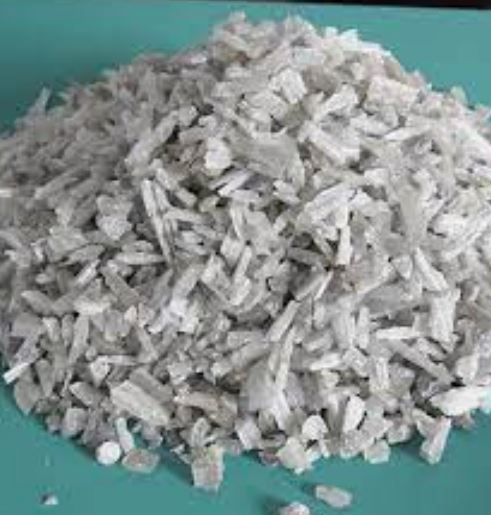
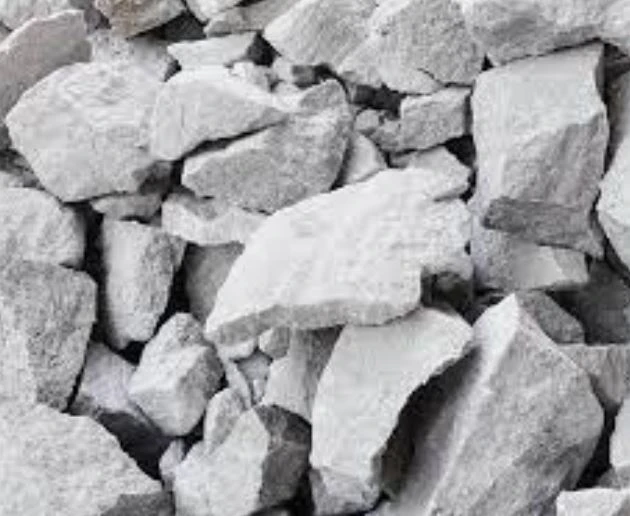
As a supplier of rotary kiln bauxite products, we also offer a range of related refractory materials such as Fused Mullite, White Corundum Powder, and Brown Aluminum Oxide. These materials are essential for the lining of the rotary kiln and can help improve its performance and longevity.
Contact Us for Purchasing
If you are in the market for rotary kiln bauxite products or need assistance with the installation of support rollers, we would be happy to help. Our team of experts can provide you with the guidance and support you need to ensure a successful installation. Contact us today to discuss your requirements and start the purchasing process.
References
- "Rotary Kiln Handbook" - A comprehensive guide to the design, operation, and maintenance of rotary kilns.
- Manufacturer's Installation Manuals - For the specific support rollers and rotary kiln models.
- Industry Standards and Best Practices - Such as those published by ASTM and ISO.