

What are the effects of Ferro Silicon on the toughness of metals?
Ferro silicon, an alloy composed primarily of iron and silicon, has long been a staple in the metallurgical industry. As a trusted supplier of ferro silicon, I've witnessed firsthand its transformative impact on various metals, particularly in enhancing their toughness. In this blog post, I'll delve into the science behind ferro silicon and explore its effects on the toughness of metals.
Understanding Ferro Silicon
Before we dive into its effects on metal toughness, let's first understand what ferro silicon is. Ferro silicon is produced by reducing silica or quartz with coke in the presence of iron. The resulting alloy typically contains between 15% and 90% silicon, with the remainder being iron and trace amounts of other elements.
The high silicon content in ferro silicon gives it several unique properties that make it valuable in metal production. Silicon is a powerful deoxidizer, meaning it can remove oxygen from molten metals, preventing the formation of oxides that can weaken the metal. Additionally, silicon can improve the fluidity of molten metals, making them easier to cast and shape.
The Role of Toughness in Metals
Toughness is a critical property in metals, as it determines their ability to withstand stress and deformation without fracturing. A tough metal can absorb energy during deformation, allowing it to bend or stretch without breaking. This is particularly important in applications where metals are subjected to high loads or impact forces, such as in the automotive, aerospace, and construction industries.
There are several factors that can affect the toughness of metals, including their chemical composition, microstructure, and processing history. By adding ferro silicon to metals, we can modify these factors and enhance their toughness.
Effects of Ferro Silicon on Metal Toughness
Grain Refinement
One of the primary ways ferro silicon improves metal toughness is through grain refinement. When ferro silicon is added to molten metal, the silicon atoms can act as nucleation sites for the formation of new grains during solidification. This results in a finer grain structure, which can improve the mechanical properties of the metal, including its toughness.
A finer grain structure provides more grain boundaries, which can impede the movement of dislocations (defects in the crystal structure of the metal). This makes it more difficult for cracks to propagate through the metal, increasing its resistance to fracture. Additionally, the increased number of grain boundaries can also absorb energy during deformation, further enhancing the metal's toughness.
Deoxidation
As mentioned earlier, silicon is a powerful deoxidizer. When ferro silicon is added to molten metal, it can react with oxygen to form silicon dioxide (SiO₂), which can then be removed from the metal as slag. This helps to reduce the oxygen content in the metal, preventing the formation of oxide inclusions that can weaken the metal and reduce its toughness.
Oxide inclusions can act as stress concentrators, where stress is concentrated around the inclusion, making it more likely for cracks to initiate and propagate. By removing these inclusions through deoxidation, ferro silicon can improve the overall integrity of the metal and enhance its toughness.
Solid Solution Strengthening
In addition to grain refinement and deoxidation, ferro silicon can also strengthen metals through solid solution strengthening. When silicon atoms are dissolved in the metal lattice, they can distort the lattice structure and impede the movement of dislocations. This makes it more difficult for the metal to deform, increasing its strength and toughness.
Solid solution strengthening is particularly effective in steels, where silicon can form a solid solution with iron. By adding ferro silicon to steel, we can increase its strength and toughness without significantly reducing its ductility.
Applications of Ferro Silicon in Metal Production
The ability of ferro silicon to enhance metal toughness makes it a valuable additive in a wide range of metal production processes. Here are some examples of how ferro silicon is used in different industries:
Steel Production
In the steel industry, ferro silicon is commonly used as a deoxidizer and alloying agent. By adding ferro silicon to molten steel, we can remove oxygen and other impurities, improve the fluidity of the steel, and enhance its mechanical properties, including its toughness. Ferro silicon is also used in the production of high-strength low-alloy (HSLA) steels, which are widely used in the automotive and construction industries.
Cast Iron Production
In the cast iron industry, ferro silicon is used to improve the fluidity and mechanical properties of cast iron. By adding ferro silicon to molten cast iron, we can reduce the formation of graphite flakes and promote the formation of a more uniform microstructure, which can improve the toughness and ductility of the cast iron. Ferro silicon is also used in the production of ductile iron, which has excellent mechanical properties and is widely used in the automotive, machinery, and construction industries.
Aluminum Production
In the aluminum industry, ferro silicon is used as an alloying agent to improve the strength and toughness of aluminum alloys. By adding ferro silicon to aluminum, we can form a silicon-rich phase in the alloy, which can strengthen the alloy and improve its resistance to wear and corrosion. Ferro silicon is also used in the production of aluminum-silicon (Al-Si) alloys, which are widely used in the automotive and aerospace industries.
Other Related Products
In addition to ferro silicon, we also offer a range of other alloy products that can enhance the properties of metals. For example, Ferrochrome is an alloy of chromium and iron that is commonly used as an additive in stainless steel production. It can improve the corrosion resistance and strength of stainless steel.
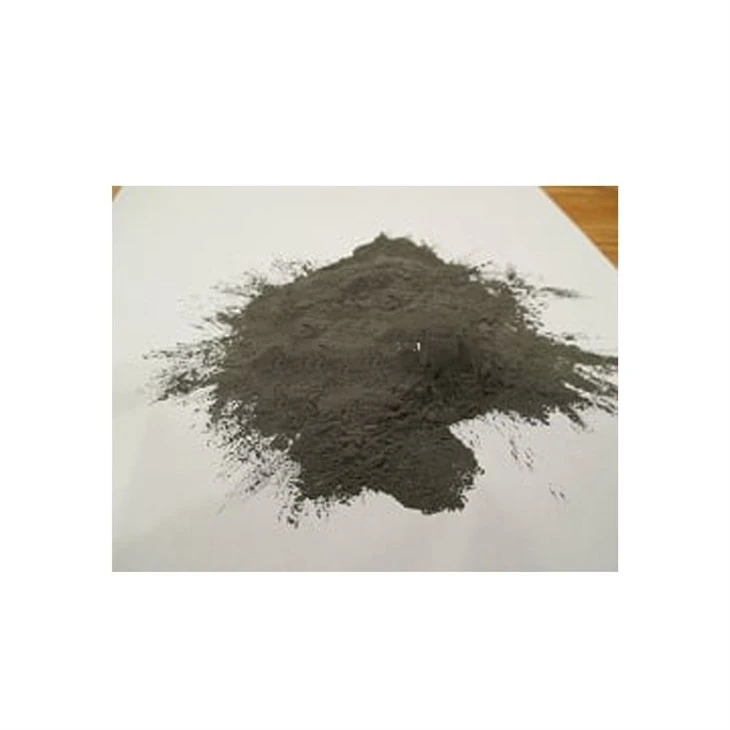
Another product we offer is Magnesium Metal Powder (20 Mesh), 99.8%. Magnesium is a lightweight metal that can be used as an alloying agent in aluminum and other metals to improve their strength-to-weight ratio.
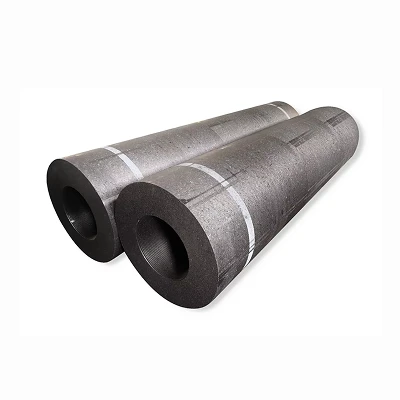
We also supply Graphite Electrodes, which are essential for the production of electric arc furnaces. Graphite electrodes are used to conduct electricity and generate heat in the furnace, allowing for the melting and refining of metals.
Conclusion
In conclusion, ferro silicon plays a crucial role in enhancing the toughness of metals. Through grain refinement, deoxidation, and solid solution strengthening, ferro silicon can improve the mechanical properties of metals, making them more resistant to fracture and better suited for a wide range of applications.
As a leading supplier of ferro silicon, we are committed to providing high-quality products and excellent customer service. If you are interested in learning more about our ferro silicon products or other alloy products, or if you have any questions about their applications, please don't hesitate to contact us. We look forward to working with you to meet your metal production needs.
References
- ASM Handbook, Volume 1: Properties and Selection: Irons, Steels, and High-Performance Alloys. ASM International, 1990.
- Davis, J.R., ed. ASM Specialty Handbook: Stainless Steels. ASM International, 1995.
- Higgins, R.G. The Making, Shaping and Treating of Steel. United States Steel Corporation, 1985.