

How to modify the surface of Fused Spinel?
Surface modification of fused spinel is an indispensable technique in modern materials science, offering a pathway to enhance the performance of ceramic materials. As a trusted fused spinel supplier, we are deeply committed to exploring and applying cutting - edge surface modification methods to meet the diverse needs of our customers. In this blog, we will delve into the significance, methods, and implications of modifying the surface of fused spinel.
Significance of Surface Modification of Fused Spinel
Fused spinel is a high - performance refractory material with excellent thermal stability, mechanical strength, and chemical resistance. However, in certain applications, its surface properties may need to be adjusted to optimize its performance. For instance, when used in contact with molten metals or slags, improving its wettability or anti - corrosion ability can significantly extend the service life of the refractory lining. Surface modification can also enhance the dispersion of fused spinel particles in composite materials, leading to better overall performance of the final product.
Common Surface Modification Methods
Chemical Coating
One of the most widely used methods is chemical coating. This involves depositing a thin layer of a specific chemical substance on the surface of the fused spinel particles. For example, metal oxides such as zirconia or titania can be coated on the surface of fused spinel. The coating process usually starts with preparing a precursor solution containing the metal salts. The fused spinel particles are then immersed in the solution, followed by a series of chemical reactions and heat treatment processes. The metal salts decompose during heat treatment, forming a uniform oxide layer on the surface of the spinel.
This oxide coating can improve the surface hardness and chemical stability of fused spinel. It acts as a barrier against chemical attacks from external substances, such as molten salts or acids. Moreover, the coated layer can also enhance the adhesion between the fused spinel and other matrix materials in composite applications, which is crucial for the mechanical properties of the final product.
Surface Grafting
Surface grafting is another effective method. It involves the chemical bonding of organic or inorganic molecules onto the surface of the fused spinel. For surface grafting of organic molecules, functional groups on the spinel surface react with reactive groups of organosilane coupling agents. The coupling agents can serve as bridges between the inorganic spinel and organic polymers, thereby improving the compatibility between the two phases.
In the case of inorganic surface grafting, the process may involve the reaction of the spinel surface with nanoparticles or other inorganic compounds. For example, grafting of nano - sized silicon carbide can increase the wear resistance and thermal shock resistance of fused spinel. The silicon carbide nanoparticles can act as reinforcements, dissipating energy during mechanical or thermal loading.
Plasma Treatment
Plasma treatment is a physical surface modification method. When the fused spinel is exposed to a plasma environment, high - energy ions and radicals in the plasma can react with the surface atoms of the spinel. This can lead to changes in surface morphology and chemical composition. Plasma treatment can create a rough surface, increasing the surface area of the spinel particles.
The rough surface can improve the adsorption capacity of the spinel, which is beneficial in applications such as catalyst supports. At the same time, the plasma can introduce new functional groups on the surface, which can enhance the reactivity of the spinel with other substances.
Applications of Surface - Modified Fused Spinel
Refractory Industry
In the refractory industry, surface - modified fused spinel is widely used in the lining of high - temperature furnaces. For example, in steel - making furnaces, the anti - corrosion and anti - erosion properties of fused spinel can be further improved through surface modification. This can effectively extend the service life of the furnace lining, reduce maintenance costs, and improve the overall efficiency of steel production.
Composite Materials
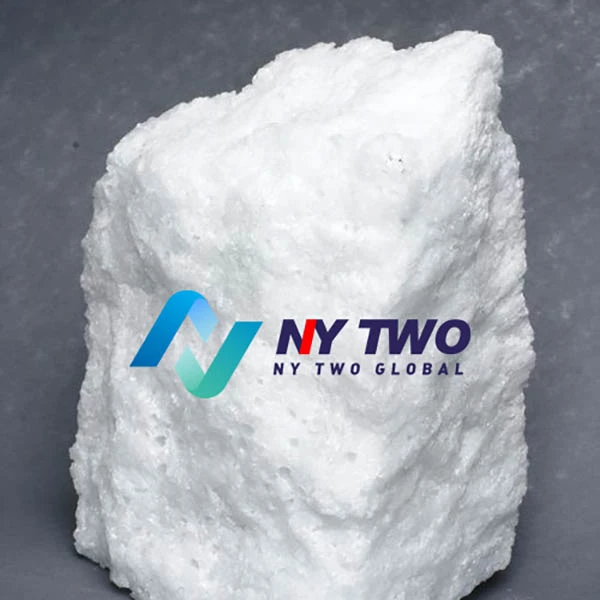
In composite materials, surface - modified fused spinel can be used as a filler to enhance the mechanical and thermal properties of polymers or ceramics. The improved dispersion and adhesion of the spinel particles in the matrix can lead to a significant improvement in the strength, stiffness, and heat resistance of the composite. For example, when combined with White Fused Alumina, the performance of the refractory composite can be enhanced significantly. The surface - modified spinel can better bond with the alumina matrix, preventing the formation of cracks and improving the overall thermal shock resistance.
Catalysis
Surface - modified fused spinel can also be used as a catalyst or catalyst support. The modified surface can provide more active sites for catalytic reactions, improving the catalytic activity and selectivity. For instance, by grafting specific metal or metal oxide species on the spinel surface, it can be used in environmental catalysis to purify exhaust gases or in chemical synthesis reactions.
Comparison of Related Materials
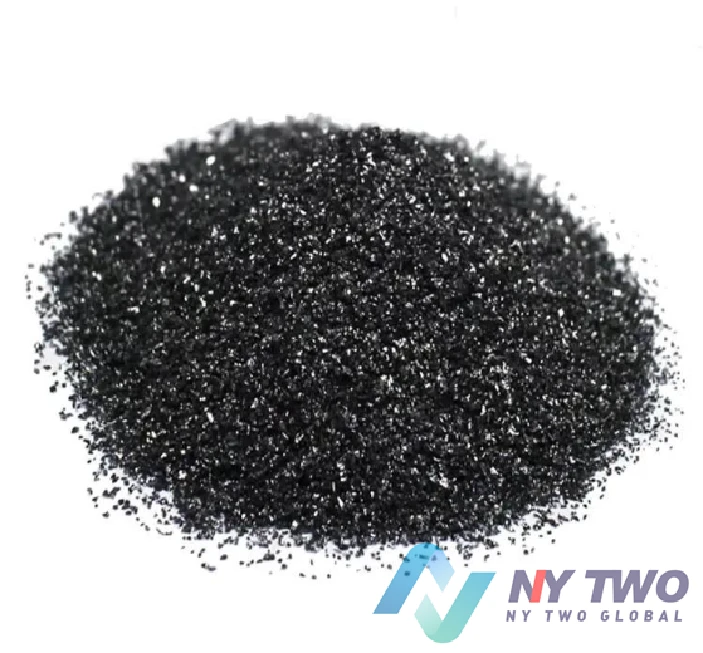
When comparing fused spinel with other refractory materials such as Black Silicon Carbide and NY2 Brown Fused Alumina, surface - modified fused spinel shows unique advantages. Black silicon carbide is known for its high hardness and thermal conductivity, but it may have relatively poor chemical stability in some corrosive environments. NY2 brown fused alumina has good mechanical strength, but its surface properties may not be as easily adjustable as those of surface - modified fused spinel.
Surface - modified fused spinel can combine the advantages of different modification methods to achieve a balance between various properties such as chemical resistance, thermal stability, and mechanical strength. This makes it a more versatile material in different industrial applications.
Conclusion and Invitation
In conclusion, surface modification of fused spinel is a powerful approach to expand its application scope and improve its performance in various industries. With our expertise as a fused spinel supplier, we are dedicated to providing high - quality surface - modified fused spinel products. Our continuous research and development efforts enable us to offer the most suitable solutions for different customer needs.
If you have interests in our surface - modified fused spinel products or would like to discuss potential cooperation opportunities for specific applications, we sincerely invite you to initiate a negotiation with us. Our professional team is always ready to provide you with detailed technical support and product information.
References
- Zhang, L. et al. Surface modification of ceramic materials for enhanced performance in high - temperature applications. Journal of Materials Science, 2018, 53(15): 10789 - 10802.
- Li, M. et al. The effect of surface grafting on the mechanical properties of ceramic composites. Composite Structures, 2019, 220: 111 - 117.
- Wang, S. et al. Plasma treatment for surface modification of refractory materials. Journal of Thermal Spray Technology, 2020, 29(7): 1173 - 1182.