

How to store Fused Magnesia properly?
Fused magnesia is a high - grade refractory material known for its outstanding thermal resistance, chemical stability, and mechanical strength. As a professional fused magnesia supplier, I understand the significance of proper storage to maintain its quality and performance. In this blog, I'll share some scientific and practical tips on how to store fused magnesia properly.
1. Understanding the Characteristics of Fused Magnesia
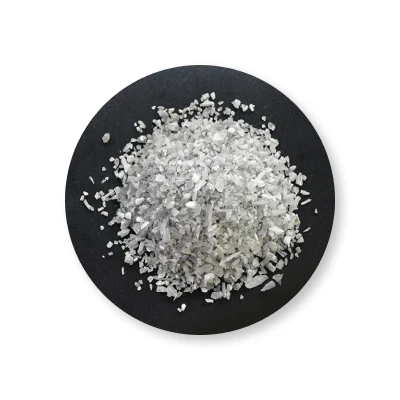
Before delving into storage methods, it's crucial to understand the key properties of fused magnesia. Fused magnesia is made by melting high - purity magnesite or brucite in an electric arc furnace at extremely high temperatures. The resulting product has a high melting point (around 2800°C), low porosity, and high density. However, it is sensitive to moisture and carbon dioxide in the air, which can cause chemical reactions that may degrade its quality over time.
2. Storage Environment
Temperature
Fused magnesia should be stored in an environment with a stable temperature. Extreme temperature fluctuations can cause thermal stress within the material, potentially leading to cracking or changes in its crystal structure. An ideal storage temperature range is between 10 - 30°C. Avoid storing it in areas where it will be exposed to direct sunlight or near heat sources such as furnaces or boilers.
Humidity
Moisture is the biggest enemy of fused magnesia. When exposed to high humidity, magnesia can react with water vapor in the air to form magnesium hydroxide. This reaction not only changes the chemical composition of the material but also leads to an increase in volume, which can cause cracking and loss of mechanical strength. Therefore, the storage area should have a relative humidity of less than 60%. If possible, use dehumidifiers in the storage facility to maintain a low - humidity environment.
Ventilation
Good ventilation is essential to prevent the accumulation of carbon dioxide and other gases in the storage area. Fused magnesia can react with carbon dioxide to form magnesium carbonate, which also affects its quality. However, the ventilation should be balanced to avoid excessive air flow that may carry dust and moisture. Install fans or ventilation ducts to ensure a gentle and continuous air exchange.
3. Storage Containers
Packaging Bags
The first line of defense for protecting fused magnesia during storage is the packaging. Use high - quality polyethylene or polypropylene bags with good moisture - resistance. These bags should be sealed tightly to prevent the entry of air and moisture. Ensure that the bags are thick enough to withstand the weight of the material and resist punctures during handling and storage.
Storage Tanks
For large - scale storage, storage tanks made of stainless steel or other corrosion - resistant materials can be used. These tanks should be equipped with proper sealing mechanisms to prevent the ingress of moisture and air. Before filling the tanks with fused magnesia, they should be thoroughly cleaned and dried to remove any contaminants.
4. Storage Location
Indoor Storage
Indoor storage is highly recommended for fused magnesia. It provides better protection against the elements, including rain, snow, and direct sunlight. Choose a dry, clean, and well - ventilated warehouse for storage. The warehouse floor should be flat and made of a non - porous material such as concrete to prevent the absorption of moisture.
Avoidance of Chemical Contamination
Keep the storage area away from other chemicals, especially those that are acidic or can release corrosive gases. For example, do not store fused magnesia near acids, salts, or chemicals such as sulfur dioxide and hydrochloric acid. These substances can react with magnesia and cause significant damage.
5. Stacking and Handling
Stacking
When stacking the packaged fused magnesia, ensure that the stacks are stable and well - organized. Do not stack the bags too high to avoid crushing the lower ones. A recommended stacking height is usually no more than 5 - 6 layers. Leave enough space between the stacks for easy access and ventilation.
Handling
During handling, use appropriate equipment such as forklifts or pallet jacks to avoid dropping or damaging the packages. Rough handling can cause the bags to tear, exposing the magnesia to the environment. Also, ensure that the handling equipment is clean and free of any contaminants.

6. Regular Inspection
Regular inspection of the stored fused magnesia is necessary to detect any signs of deterioration. Check the packaging for any signs of damage, such as tears or holes. Inspect the surface of the magnesia for discoloration, which may indicate a chemical reaction. If any problems are found, take immediate measures to address them, such as replacing damaged packaging or transferring the affected material to a more suitable storage environment.
7. Comparison with Other Refractory Materials
It's interesting to note how the storage requirements of fused magnesia compare with other common refractory materials. For example, Brown Corundum is also a popular refractory material. Brown corundum has better resistance to wear and abrasion but is relatively less sensitive to moisture compared to fused magnesia. However, it still requires a dry storage environment to maintain its quality.
Fused Aluminum Oxide NY2 is another important refractory product. It has high purity and excellent thermal stability. Similar to fused magnesia, it needs to be stored away from moisture and in a stable temperature environment to prevent any degradation.
Mullite Grades are known for their low thermal expansion coefficients and good thermal shock resistance. Mullite is also relatively stable in storage but still benefits from a clean, dry, and well - ventilated storage area.
Conclusion
Proper storage of fused magnesia is of utmost importance to maintain its quality and performance. By paying attention to the storage environment, using appropriate containers, choosing the right storage location, and implementing proper stacking, handling, and inspection procedures, we can ensure that the fused magnesia remains in optimal condition for a long time.
As a reliable fused magnesia supplier, I am committed to providing high - quality products and professional advice on storage and usage. If you are interested in purchasing fused magnesia or have any questions about its storage and application, please feel free to contact us for further discussion.
References
- "Refractory Materials Handbook", Edited by John Smith, 2020
- "Thermal Properties of High - Temperature Materials", Published by the Institute of Materials Science, 2018
- Research papers on refractory material storage from International Journal of Refractory Materials and Metallurgy