

How to prevent the caking of bauxite in a rotary kiln?
As a supplier of Rotary Kiln Bauxite, I've encountered numerous challenges in the industry, with one of the most persistent being the caking of bauxite in rotary kilns. This issue not only disrupts the production process but also affects the quality of the final product. In this blog, I'll share some effective strategies to prevent the caking of bauxite in a rotary kiln, based on my years of experience and industry knowledge.
Understanding the Causes of Bauxite Caking
Before we delve into the prevention methods, it's crucial to understand why bauxite cakes in a rotary kiln. Several factors contribute to this problem:
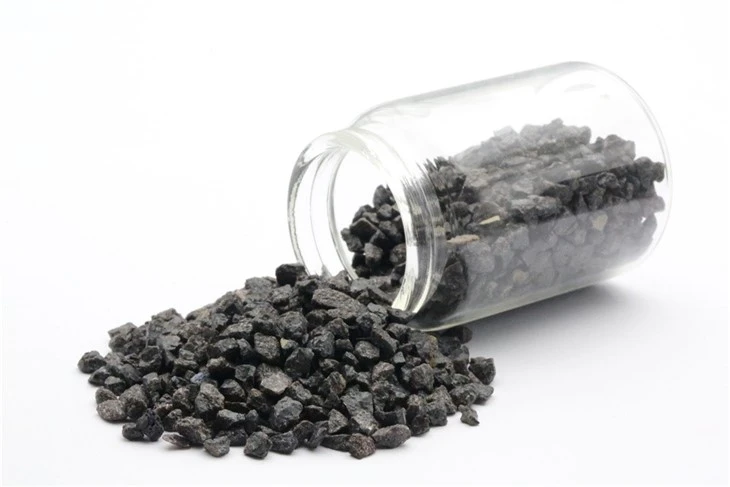
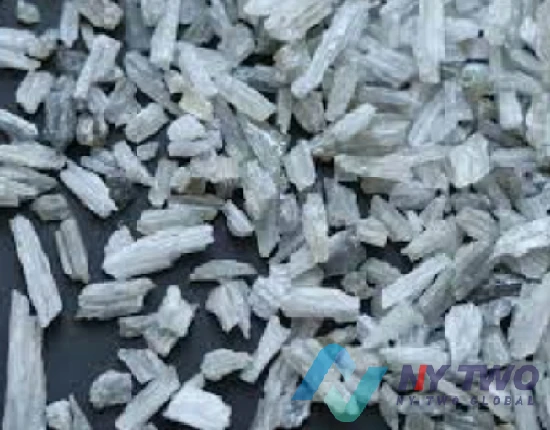
- High Moisture Content: Bauxite with a high moisture content tends to stick together when heated in the kiln. The water acts as a binder, causing the particles to clump and form cakes.
- Temperature Fluctuations: Uneven temperature distribution in the kiln can lead to localized overheating or underheating. Overheating can cause the bauxite to melt and stick to the kiln walls, while underheating may result in incomplete calcination, leaving the bauxite in a semi - solid state that is prone to caking.
- Particle Size and Distribution: If the bauxite particles are too large or have a wide size distribution, they may not mix uniformly in the kiln. Larger particles may take longer to heat up and calcine, increasing the likelihood of caking.
- Chemical Reactions: Some impurities in bauxite can react at high temperatures, forming compounds that act as binders and cause caking. For example, certain metal oxides may react with silica to form viscous materials.
Strategies to Prevent Bauxite Caking
1. Moisture Control
- Drying the Bauxite: Before feeding the bauxite into the rotary kiln, it's essential to reduce its moisture content. This can be achieved through pre - drying processes such as using a dryer or exposing the bauxite to sunlight. By reducing the moisture to an acceptable level (usually below 1 - 2%), the risk of caking due to water binding is significantly reduced.
- Monitoring and Maintaining Humidity: During storage and transportation, it's important to keep the bauxite in a dry environment. Humidity control in the storage area can prevent the bauxite from re - absorbing moisture.
2. Temperature Management
- Uniform Heating: Ensure that the temperature in the rotary kiln is evenly distributed. This can be achieved by optimizing the burner design and placement, as well as the airflow pattern in the kiln. Regularly calibrating the temperature sensors and adjusting the fuel supply can help maintain a consistent temperature throughout the kiln.
- Proper Pre - heating: Pre - heating the bauxite gradually before it enters the high - temperature zone of the kiln can prevent sudden temperature changes that may cause caking. This can be done using a pre - heater or by adjusting the feed rate to allow for more gradual heating.
3. Particle Size Optimization
- Grinding and Screening: Grind the bauxite to a suitable particle size and ensure a narrow particle size distribution. This can be accomplished through grinding equipment such as ball mills and then screening the particles to remove any oversized or undersized ones. A more uniform particle size will improve the mixing and heat transfer in the kiln, reducing the risk of caking.
- Blending: Blending different grades of bauxite with similar particle sizes can also help improve the uniformity of the feedstock, enhancing the calcination process and reducing caking.
4. Chemical Additives
- Anti - caking Agents: Adding anti - caking agents to the bauxite can help prevent the particles from sticking together. These agents work by coating the bauxite particles and reducing their surface energy, preventing them from adhering to each other or the kiln walls. Some common anti - caking agents include calcium stearate and magnesium stearate.
- Fluxing Agents: In some cases, adding fluxing agents can help lower the melting point of the bauxite and improve its flowability in the kiln. This can prevent the formation of viscous materials that cause caking. However, the use of fluxing agents should be carefully controlled to avoid introducing unwanted impurities into the final product.
Importance of Regular Maintenance
- Kiln Cleaning: Regularly cleaning the rotary kiln is essential to remove any built - up bauxite cakes or deposits on the kiln walls. This can be done during scheduled maintenance shutdowns using mechanical or chemical cleaning methods.
- Inspection and Repair: Conduct regular inspections of the kiln components, such as the burners, fans, and temperature sensors. Any damaged or malfunctioning parts should be repaired or replaced promptly to ensure the proper operation of the kiln and prevent caking.
Benefits of Preventing Bauxite Caking
- Improved Product Quality: By preventing caking, the bauxite can be calcined more uniformly, resulting in a higher - quality product. This is particularly important for applications such as the production of Brown Corundum, Mullite Grades, and SIC Silicon Carbide Powder, where consistent quality is crucial.
- Increased Production Efficiency: A caking - free rotary kiln operates more smoothly, with fewer interruptions for cleaning and maintenance. This leads to increased production capacity and reduced downtime, ultimately improving the overall efficiency of the production process.
- Cost Savings: Preventing caking can reduce the consumption of energy and raw materials, as well as the wear and tear on the kiln equipment. This results in significant cost savings over the long term.
Conclusion
Preventing the caking of bauxite in a rotary kiln is a complex but achievable goal. By understanding the causes of caking and implementing the strategies outlined above, such as moisture control, temperature management, particle size optimization, and the use of chemical additives, we can ensure a smooth and efficient production process. Regular maintenance of the kiln is also crucial to prevent the build - up of cakes and ensure the long - term performance of the equipment.
If you're in the market for high - quality Rotary Kiln Bauxite or have any questions about preventing bauxite caking, I'd be more than happy to assist you. Feel free to reach out for a consultation and let's discuss how we can meet your specific requirements.
References
- "Handbook of Industrial Drying" by Arun S. Mujumdar
- "Rotary Kiln Technology: Design and Operation" by D. S. Kelsall