

How to use Alloy in architectural design?
Alloy is an incredibly versatile and valuable material in architectural design. As an alloy supplier, I've seen firsthand how different alloys can transform architectural projects, adding both functionality and aesthetic appeal. In this blog, I'll share some insights on how to use alloy in architectural design.
1. Understanding the Basics of Alloy
Before we dive into how to use alloy in architecture, it's important to understand what an alloy is. An alloy is a mixture of two or more metals, or a metal and a non - metal. This combination creates a material with properties that are often superior to those of its individual components. For example, alloys can be stronger, more corrosion - resistant, or have better heat - conductivity than pure metals.
There are many types of alloys available, each with its own unique properties. Some common alloys used in architecture include stainless steel (an alloy of iron, chromium, and nickel), aluminum alloys, and bronze (an alloy of copper and tin).
2. Structural Applications of Alloy
One of the most common uses of alloy in architectural design is for structural purposes. Alloys are known for their high strength - to - weight ratio, which makes them ideal for supporting large structures.
Steel Alloys
Steel alloys, like high - strength low - alloy (HSLA) steels, are widely used in building frames. These alloys can withstand heavy loads while using less material compared to traditional carbon steels. For instance, in high - rise buildings, steel alloy columns and beams provide the necessary support to keep the structure standing. The use of steel alloys also allows for more open floor plans, as larger spans can be achieved without the need for excessive internal supports.
Aluminum Alloys
Aluminum alloys are another popular choice for structural applications, especially in lightweight structures. They are corrosion - resistant, which is a major advantage in coastal areas or environments with high humidity. Aluminum alloy frames are commonly used in curtain walls, which are non - load - bearing exterior walls of a building. These curtain walls not only provide a modern and sleek appearance but also help in reducing the overall weight of the building.
3. Aesthetic Applications of Alloy
Alloy isn't just about functionality; it can also play a significant role in the aesthetics of a building.
Decorative Elements
Alloys can be used to create beautiful decorative elements. For example, bronze is often used for sculptures, door handles, and decorative railings. Its warm, golden - brown color and ability to be intricately cast make it a favorite among architects and designers. You can find bronze alloy elements in historical buildings as well as modern, high - end architectural projects.

Facades
Alloy facades can give a building a unique and contemporary look. Stainless steel facades, for instance, reflect light in an interesting way, creating a dynamic visual effect. The smooth surface of stainless steel also gives a clean and modern appearance. Additionally, alloy facades can be customized through processes like etching or patination to create different textures and colors.
4. Durability and Maintenance
When it comes to architectural design, durability is a key factor. Alloys are generally more durable than pure metals. For example, stainless steel is highly resistant to corrosion, which means it can last for decades in harsh environments without significant deterioration. This reduces the need for frequent maintenance and replacement, saving both time and money in the long run.
However, proper maintenance is still important. For alloy surfaces, regular cleaning with mild detergents can help maintain their appearance and prevent the buildup of dirt and grime. In some cases, a protective coating may be applied to further enhance the durability of the alloy.
5. Specific Alloy Products for Architectural Design
As an alloy supplier, I offer a range of products that are suitable for architectural applications.
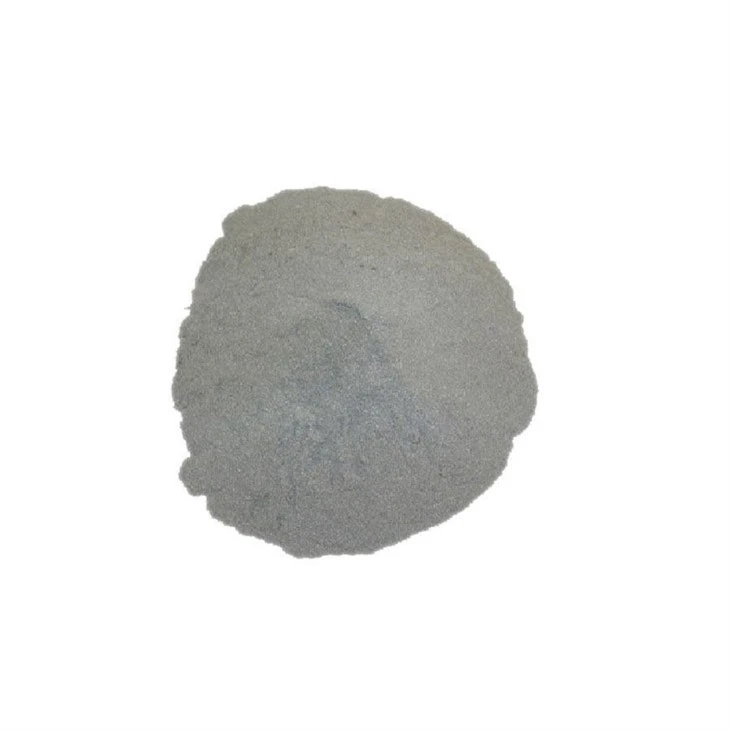
Magnesium Metal Powder (20 Mesh), 99.8% can be used in some specialized architectural projects. Magnesium alloys are known for their low density and high strength, which can be beneficial in applications where weight reduction is crucial.
500g/17.6oz Magnesium Shavings Magnesium Metal Pure 99.99% Emergency Fire Starter For Camping Hiking Bushcraft BBQ may seem more related to outdoor activities at first glance, but magnesium's properties can also be harnessed in architectural design. Magnesium can be part of alloy mixtures that offer unique characteristics.
High Carbon Ferro Manganese is often used in the production of steel alloys. It helps improve the strength and hardness of steel, making it suitable for structural applications in architecture.
6. Design Considerations
When using alloy in architectural design, there are several design considerations to keep in mind.
Compatibility
It's important to ensure that different alloys used in a project are compatible with each other. Some alloys may react with each other when in contact, leading to corrosion or other issues. For example, when using different metals in a joint, a proper insulation or coating may be required to prevent galvanic corrosion.
Thermal Expansion
Alloys expand and contract with changes in temperature. Architects need to account for this thermal expansion in their designs. For example, in large alloy facades, expansion joints may be necessary to prevent cracking or warping due to temperature fluctuations.
7. Conclusion
Alloy is a powerful material in architectural design, offering a wide range of structural and aesthetic benefits. Whether you're looking to build a modern high - rise, a historical - style building, or a unique architectural masterpiece, alloys can help you achieve your goals.
If you're interested in using alloy in your architectural project, I'd love to talk to you. As an alloy supplier, I can provide you with high - quality alloy products and offer expert advice on the best alloys for your specific needs. Contact me to start a discussion about your project and explore the possibilities of using alloy in your architectural design.
References
- Ashby, M. F., & Jones, D. R. H. (2012). Engineering Materials 1: An Introduction to Properties, Applications, and Design. Butterworth - Heinemann.
- Dieter, G. E. (1988). Mechanical Metallurgy. McGraw - Hill.
- Gordon, J. E. (1978). Structures or Why Things Don't Fall Down. Da Capo Press.