

How to protect against Black Silicon Carbide dust inhalation?
As a supplier of Black Silicon Carbide, I understand the importance of protecting against dust inhalation. Black Silicon Carbide is a widely used material in various industries, including abrasives, refractories, and electronics. However, the dust generated during its production, handling, and use can pose significant health risks if inhaled. In this blog post, I will share some effective ways to protect against Black Silicon Carbide dust inhalation.
Understanding the Risks of Black Silicon Carbide Dust Inhalation
Black Silicon Carbide dust is a fine particulate matter that can be easily inhaled into the lungs. Prolonged exposure to this dust can lead to a range of health problems, including:
- Silicosis: A lung disease caused by the inhalation of crystalline silica dust, which can cause scarring and damage to the lungs.
- Lung Cancer: Long-term exposure to certain types of dust, including Black Silicon Carbide dust, has been linked to an increased risk of lung cancer.
- Respiratory Irritation: Inhalation of Black Silicon Carbide dust can cause irritation of the respiratory tract, leading to coughing, wheezing, and shortness of breath.
Given these risks, it is essential to take appropriate measures to protect workers and individuals from Black Silicon Carbide dust inhalation.
Engineering Controls
One of the most effective ways to protect against Black Silicon Carbide dust inhalation is to implement engineering controls. These controls aim to reduce or eliminate the generation and spread of dust in the workplace. Some common engineering controls include:
- Local Exhaust Ventilation: Installing local exhaust ventilation systems at the source of dust generation can effectively capture and remove dust from the air before it can be inhaled. These systems typically consist of hoods, ducts, and fans that draw dust-laden air away from the work area and into a filtration system.
- Enclosures: Enclosing the process or equipment that generates Black Silicon Carbide dust can prevent the dust from escaping into the surrounding environment. This can be achieved using physical barriers such as cabinets, booths, or enclosures with proper ventilation.
- Wet Methods: Using wet methods, such as wet cutting or wet grinding, can help suppress dust generation. Water can be applied directly to the cutting or grinding surface to capture and settle the dust particles, reducing the amount of dust in the air.
Personal Protective Equipment (PPE)
In addition to engineering controls, personal protective equipment (PPE) plays a crucial role in protecting against Black Silicon Carbide dust inhalation. Workers should be provided with and trained to use appropriate PPE, including:
- Respirators: Respirators are designed to filter out dust particles from the air before they are inhaled. There are different types of respirators available, including disposable particulate respirators, half-face respirators, and full-face respirators. The choice of respirator depends on the level of dust exposure and the specific requirements of the workplace.
- Protective Clothing: Wearing protective clothing, such as coveralls, gloves, and goggles, can help prevent dust from coming into contact with the skin and eyes. This can reduce the risk of skin irritation and eye injuries caused by Black Silicon Carbide dust.
- Headgear: Wearing a hard hat or other headgear can provide additional protection against falling dust particles and potential head injuries in the workplace.
Administrative Controls
Administrative controls are policies and procedures that are implemented to minimize the risk of Black Silicon Carbide dust inhalation. These controls include:
- Training and Education: Providing workers with comprehensive training and education on the health risks associated with Black Silicon Carbide dust inhalation and the proper use of engineering controls and PPE is essential. Workers should be trained on how to recognize dust hazards, how to use and maintain PPE, and how to follow safe work practices.
- Work Practices: Establishing and enforcing safe work practices can help reduce dust generation and exposure. This includes regular cleaning and maintenance of equipment, proper handling and storage of Black Silicon Carbide materials, and avoiding activities that generate excessive dust.
- Monitoring and Surveillance: Regularly monitoring the air quality in the workplace and conducting health surveillance of workers can help detect and address any potential dust exposure issues. This can involve measuring the concentration of dust in the air, conducting lung function tests, and monitoring workers for symptoms of dust-related diseases.
Importance of Supplier Support
As a [Black Silicon Carbide] supplier, I am committed to providing our customers with high-quality products and comprehensive support to ensure their safety and well-being. We understand the importance of protecting against dust inhalation and are dedicated to helping our customers implement effective dust control measures.
In addition to supplying high-quality Black Silicon Carbide products, we can also provide technical assistance and guidance on dust control solutions. Our team of experts can help you assess your workplace, identify potential dust hazards, and recommend appropriate engineering controls, PPE, and administrative controls to protect your workers.
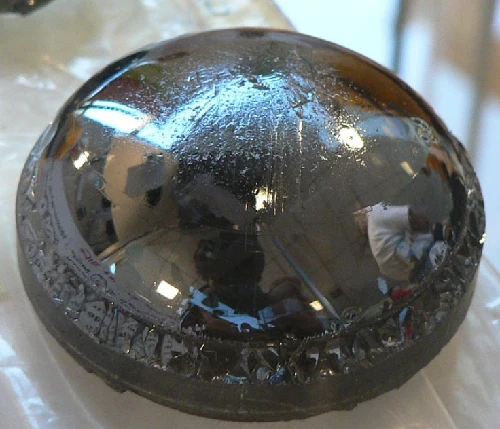

We also offer Calcined Bauxite Suppliers for those looking for alternative materials. Silicon Carbide Is A Conductive Refractory Material and we can provide detailed information on its properties and applications. Moreover, if you are interested in Advantages And Disadvantages Of High Bauxite Clinker, our team can offer valuable insights.
Conclusion
Protecting against Black Silicon Carbide dust inhalation is essential for the health and safety of workers and individuals. By implementing a combination of engineering controls, personal protective equipment, and administrative controls, it is possible to minimize the risk of dust exposure and prevent dust-related diseases.
As a supplier of Black Silicon Carbide, I encourage you to take proactive steps to protect your workers and ensure a safe working environment. If you have any questions or need further information on dust control solutions, please do not hesitate to contact us. We are here to support you in your efforts to protect against Black Silicon Carbide dust inhalation and ensure the well-being of your workforce.
References
- Occupational Safety and Health Administration (OSHA). (n.d.). Respiratory Protection. Retrieved from [OSHA Website]
- National Institute for Occupational Safety and Health (NIOSH). (n.d.). Protecting Workers from Silica Exposure. Retrieved from [NIOSH Website]
- American Conference of Governmental Industrial Hygienists (ACGIH). (n.d.). Threshold Limit Values (TLVs) and Biological Exposure Indices (BEIs). Retrieved from [ACGIH Website]