

What are the abrasives used in the food processing industry?
Abrasives play a crucial role in the food processing industry, contributing to various aspects of production from equipment maintenance to product refinement. As an established abrasives supplier, I have witnessed firsthand the diverse applications and importance of different abrasives in this sector. In this blog, I will delve into the types of abrasives commonly used in the food processing industry, their functions, and why they are essential for efficient and high - quality food production.
1. Silicon Carbide Abrasives
Silicon carbide is a popular abrasive in the food processing industry. It is known for its high hardness and sharp cutting edges. In the context of food processing, silicon carbide abrasives are often used for grinding and sharpening the blades of cutting equipment. For example, the knives used in meat processing plants need to be extremely sharp to ensure clean cuts and minimize damage to the meat fibers. Silicon carbide grinding wheels can quickly and effectively restore the sharpness of these blades, improving the efficiency of the cutting process.
Another application is in the surface treatment of metal equipment. Food processing equipment is usually made of stainless steel or other metals. Over time, the surfaces of these equipment can become rough or develop scratches, which may harbor bacteria and affect the quality of the food. Silicon carbide abrasives can be used to polish and smooth these metal surfaces, creating a hygienic and easy - to - clean environment.
2. Aluminum Oxide Abrasives
Aluminum oxide is one of the most widely used abrasives in the food processing industry. There are different types of aluminum oxide abrasives, each with its own characteristics and applications.
Brown Fused Alumina
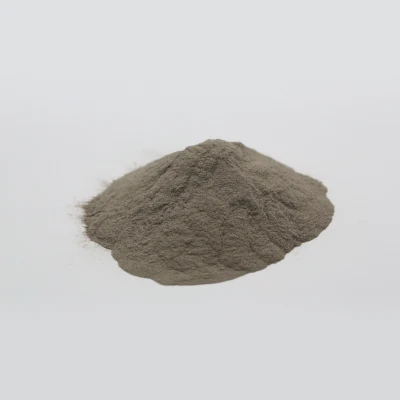
Brown Fused Alumina Micro Powder For Abrasives is a common form of aluminum oxide abrasive. It is known for its high toughness and good self - sharpening properties. In food processing, brown fused alumina is often used for grinding and deburring metal parts of equipment. For instance, the conveyor belts in food production lines may have metal components that need to be smooth and free of burrs to prevent damage to the food products. Brown fused alumina abrasives can be used to achieve this by precisely removing the excess material on the metal surfaces.
Brown Aluminum Oxide NY2
Brown Aluminum Oxide NY2 is another variant with enhanced properties. It offers better wear resistance and a more consistent grain size. This type of abrasive is suitable for applications where a high - precision finish is required. In the production of food molds, for example, Brown Aluminum Oxide NY2 can be used to polish the mold surfaces to ensure that the food products have a smooth and uniform appearance.
3. Fused Zirconia Alumina Abrasives
Fused Zirconia Alumina is a high - performance abrasive that combines the properties of zirconia and alumina. It has excellent toughness and heat resistance, making it ideal for heavy - duty grinding applications in the food processing industry.
In the production of large - scale food processing equipment, such as industrial mixers and blenders, the metal parts often require significant material removal and surface finishing. Fused Zirconia Alumina abrasives can handle these tasks efficiently. They can quickly grind down rough surfaces and provide a smooth finish, reducing the time and effort required for equipment manufacturing and maintenance.
4. Diamond Abrasives
Diamond is the hardest known material, and diamond abrasives are used in the food processing industry for very specific and high - precision applications. In the production of glass and ceramic components for food processing equipment, diamond abrasives are essential.
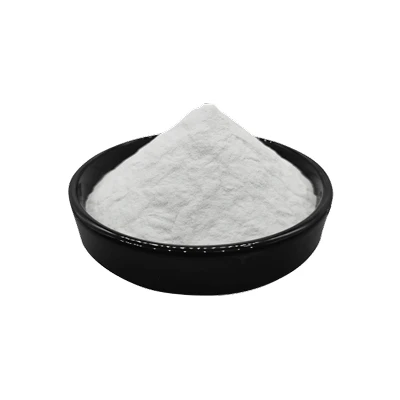
For example, the glass lenses used in food inspection systems need to have extremely smooth and precise surfaces to ensure accurate imaging. Diamond abrasives can be used to polish these glass lenses to a high optical quality. Similarly, ceramic cutting tools used in some food processing operations require diamond abrasives for sharpening and finishing to maintain their cutting performance.
5. Function and Importance of Abrasives in Food Processing
Equipment Maintenance
The proper maintenance of food processing equipment is crucial for ensuring food safety and production efficiency. Abrasives are used to keep the equipment in good working condition. By sharpening blades, polishing surfaces, and removing burrs, abrasives help prevent equipment breakdowns and reduce the risk of food contamination.
Product Quality Improvement
In addition to equipment maintenance, abrasives also contribute to the quality of the food products themselves. For example, in the production of chocolate, the smoothness of the chocolate surface can be enhanced by using abrasives to polish the molds. This results in a more visually appealing product and can improve the overall consumer experience.
Hygiene Assurance
As mentioned earlier, abrasives can be used to smooth the surfaces of food processing equipment, which helps prevent the accumulation of bacteria and other contaminants. A clean and hygienic production environment is essential for the food processing industry, and abrasives play an important role in achieving this.
6. Choosing the Right Abrasives for Food Processing
When selecting abrasives for the food processing industry, several factors need to be considered.
Material Compatibility
The abrasive should be compatible with the material of the equipment or product being processed. For example, when grinding stainless steel equipment, an abrasive that does not cause corrosion or leave residue on the stainless steel surface should be chosen.
Abrasive Grain Size
The grain size of the abrasive determines the finish and the rate of material removal. For fine polishing, a smaller grain size is required, while a larger grain size is suitable for rough grinding and material removal.
Application Requirements
Different applications in the food processing industry have different requirements. For high - precision applications, such as optical component polishing, high - quality and expensive abrasives like diamond may be necessary. For general equipment maintenance, more cost - effective abrasives like aluminum oxide may be sufficient.
Conclusion
Abrasives are an indispensable part of the food processing industry. From equipment maintenance to product quality improvement and hygiene assurance, they play a vital role in every aspect of food production. As an abrasives supplier, I understand the unique needs of the food processing industry and can provide a wide range of high - quality abrasives to meet these requirements.
If you are in the food processing industry and are looking for reliable abrasives for your operations, I encourage you to reach out for a procurement discussion. We can work together to select the most suitable abrasives for your specific needs and ensure the efficiency and quality of your food processing processes.
References
- Smith, J. (2018). Abrasives in Industrial Applications. New York: Industrial Press.
- Johnson, M. (2019). Food Processing Equipment Maintenance. London: Food Science Publishers.
- Brown, A. (2020). Quality Control in the Food Industry. Sydney: Food Quality Institute.