

What are the challenges faced by the White Tabular Alumina industry?
Yo, I'm a supplier in the White Tabular Alumina industry, and let me tell you, it's been quite a ride. In this blog, I'll break down the challenges we face in this business.
1. Market Competition
One of the biggest headaches in the White Tabular Alumina industry is the cut - throat market competition. There are so many suppliers out there, all vying for the same customers. Everyone is trying to offer the best price, quality, and service. This makes it really tough for us to stand out.
Some of the larger suppliers have economies of scale. They can produce White Tabular Alumina in huge quantities, which allows them to lower their production costs. As a result, they can offer lower prices to customers. For a smaller supplier like me, it's hard to compete on price alone. I have to focus on other aspects, like providing better customer service or offering unique product features.
Another aspect of competition is the constant innovation. New suppliers are always coming up with new production techniques or improved product quality. We need to keep up with these changes or else we'll get left behind. For example, some companies are developing White Tabular Alumina with Resistant To Fire And Wear properties that are even better than the traditional ones. If I don't invest in research and development, my products will become obsolete.
2. Raw Material Availability and Price Fluctuations
The availability and price of raw materials are major concerns in the White Tabular Alumina industry. White Tabular Alumina is mainly made from bauxite, and the supply of bauxite is not always stable. There are several factors that can affect the supply of bauxite.
Geopolitical issues play a big role. Some of the major bauxite - producing regions in the world are politically unstable. Conflicts, trade restrictions, and government policies can disrupt the supply chain. For instance, if there is a political crisis in a country that is a major bauxite exporter, the supply of bauxite to the market will decrease.
Weather conditions also have an impact. Natural disasters like floods or droughts can damage bauxite mines and disrupt production. This leads to a shortage of raw materials and drives up the price.
Price fluctuations are another headache. The price of bauxite can change rapidly due to market demand and supply dynamics. When the demand for White Tabular Alumina increases, the demand for bauxite also goes up, and so does the price. On the other hand, if there is an oversupply of bauxite in the market, the price will drop. These price fluctuations make it difficult for us to plan our production and pricing strategies.
3. Environmental Regulations
In today's world, environmental regulations are becoming stricter and stricter, and the White Tabular Alumina industry is not immune to this. The production of White Tabular Alumina involves several processes that can have an impact on the environment.
One of the main environmental concerns is air pollution. The production process releases various pollutants into the air, such as dust and gases. These pollutants can have a negative impact on the health of people living in the surrounding areas and also contribute to environmental problems like global warming.
To comply with environmental regulations, we need to invest in expensive pollution control equipment. This includes installing dust collectors, scrubbers, and other air - cleaning devices. These investments increase our production costs, which can make our products less competitive in the market.
Another environmental issue is waste management. The production of White Tabular Alumina generates a significant amount of waste, such as slag and tailings. Proper disposal of these wastes is crucial to prevent environmental contamination. We need to find ways to recycle or reuse these wastes to minimize their impact on the environment. However, developing and implementing waste - management solutions also requires a lot of resources and investment.
4. Technological Upgrades
The White Tabular Alumina industry is constantly evolving, and technological upgrades are essential to stay competitive. However, upgrading our technology is not an easy task.
First of all, it requires a large amount of capital investment. New production technologies often involve expensive equipment and machinery. For a small - to - medium - sized supplier like me, raising the funds for these investments can be a challenge.
Secondly, there is a shortage of skilled workers who are familiar with the new technologies. Training our existing employees or hiring new ones with the right skills takes time and money. Without a skilled workforce, we won't be able to operate the new equipment effectively and achieve the desired production efficiency.
Moreover, the pace of technological change is very fast. By the time we finish implementing one new technology, there may already be a newer and better one available. This means we need to constantly keep an eye on the latest technological developments and be ready to invest in upgrades again.
5. Quality Control
Maintaining consistent product quality is a constant challenge in the White Tabular Alumina industry. The quality of White Tabular Alumina is determined by several factors, including its chemical composition, particle size, and density.
Even small variations in the production process can lead to differences in product quality. For example, if the temperature or pressure during the calcination process is not controlled properly, the quality of the final product may be affected. This can lead to customer complaints and loss of business.
To ensure consistent quality, we need to have a strict quality - control system in place. This includes regular testing of raw materials, in - process monitoring, and final product inspection. However, setting up and maintaining a quality - control system is not cheap. It requires investment in testing equipment, trained personnel, and quality - management software.
6. Customer Requirements and Expectations
Customers in the White Tabular Alumina industry have high requirements and expectations. They demand products that meet specific technical specifications and performance standards.
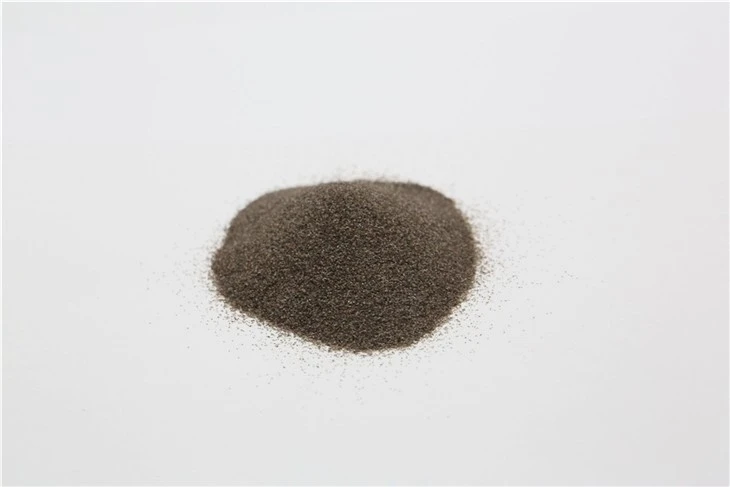
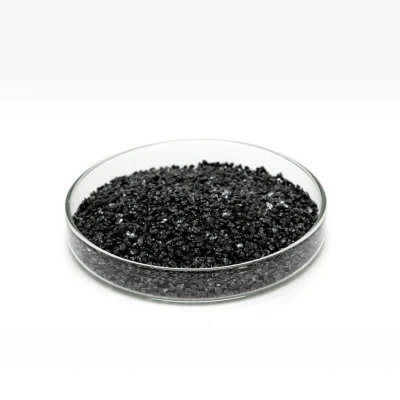
For example, some customers may need White Tabular Alumina with a certain level of Silicon Carbide SIC120 content for their applications. Meeting these specific requirements can be a challenge, especially if our standard production process does not produce products with the exact specifications.
Customers also expect fast delivery times and good after - sales service. In today's competitive market, if we can't deliver products on time or provide satisfactory after - sales support, customers will quickly switch to our competitors.
7. Application - Specific Challenges
White Tabular Alumina has a wide range of applications, including in the refractory industry, ceramics, and abrasives. Each application has its own unique challenges.
In the refractory industry, for example, the demand for White Tabular Alumina is closely related to the performance of the end - use products. Refractory materials made from White Tabular Alumina need to have high Resistant To Fire And Wear properties. Any improvement in the performance requirements of refractory products will require us to develop new grades of White Tabular Alumina.
In the ceramics industry, the color and particle size of White Tabular Alumina are important factors. Customers may require a specific color or particle - size distribution for their ceramic products. Meeting these application - specific requirements can be difficult and may require us to adjust our production process.
The The Construction And Application Of BFA also presents its own set of challenges. Different construction projects may have different requirements for the strength and durability of White Tabular Alumina - based materials.
Despite all these challenges, I'm still optimistic about the future of the White Tabular Alumina industry. There is still a strong demand for our products, and with the right strategies, we can overcome these difficulties.
If you're in the market for White Tabular Alumina, I'd love to talk to you about how I can meet your needs. Whether it's about product quality, price, or delivery, I'm here to provide the best solution for you. Let's start a conversation and see how we can work together.
References
- Industry reports on White Tabular Alumina production and market trends
- Research papers on environmental regulations in the refractory industry
- Studies on technological advancements in White Tabular Alumina production