

How to integrate the auxiliary equipment in a rotary kiln for bauxite?
Hey there! I'm a supplier of Rotary Kiln Bauxite, and today I wanna chat about how to integrate the auxiliary equipment in a rotary kiln for bauxite. It's a topic that's super important for getting the most out of your bauxite processing setup.
First off, let's talk about why integrating auxiliary equipment is a big deal. Bauxite processing in a rotary kiln isn't just about throwing the bauxite in and heating it up. You need a bunch of other equipment working together smoothly to make the process efficient, safe, and cost - effective.
One of the key pieces of auxiliary equipment is the feeder. A good feeder is essential for controlling the amount of bauxite that goes into the rotary kiln. If you feed too much bauxite at once, the kiln might not be able to heat it evenly, leading to inconsistent product quality. On the other hand, if you feed too little, you're not making the most of the kiln's capacity. To integrate the feeder, you need to make sure it's properly calibrated with the kiln's speed and temperature settings. Most modern feeders can be connected to the kiln's control system, so they can adjust the feeding rate automatically based on the kiln's operating conditions.
Another important auxiliary equipment is the pre - heater. The pre - heater warms up the bauxite before it enters the rotary kiln. This not only saves energy but also reduces the time the bauxite needs to stay in the kiln to reach the desired temperature. When integrating the pre - heater, you need to ensure that the flow of bauxite between the pre - heater and the kiln is smooth. There should be no blockages or bottlenecks. You also need to make sure that the pre - heater is well - insulated to prevent heat loss.
The dust collector is also a crucial part of the setup. Bauxite processing in a rotary kiln can generate a lot of dust, which is not only a health hazard but can also cause damage to the equipment. A good dust collector can capture the dust particles and prevent them from being released into the environment. When integrating the dust collector, you need to place it in a position where it can effectively capture the dust. You also need to connect it to the kiln's exhaust system so that the dust - laden air can be directed into the collector.
Now, let's talk about the cooling system. After the bauxite has been processed in the rotary kiln, it needs to be cooled down quickly. A proper cooling system can improve the quality of the final product and also protect the downstream equipment. There are different types of cooling systems available, such as air - cooled and water - cooled systems. When integrating the cooling system, you need to consider factors like the cooling rate, the temperature of the bauxite coming out of the kiln, and the capacity of the cooling system.
One of the challenges in integrating auxiliary equipment is ensuring that all the equipment is compatible with each other. For example, the feeder might have a different power requirement or control protocol than the pre - heater. You need to work with a team of experts to make sure that all the equipment can communicate and work together effectively.
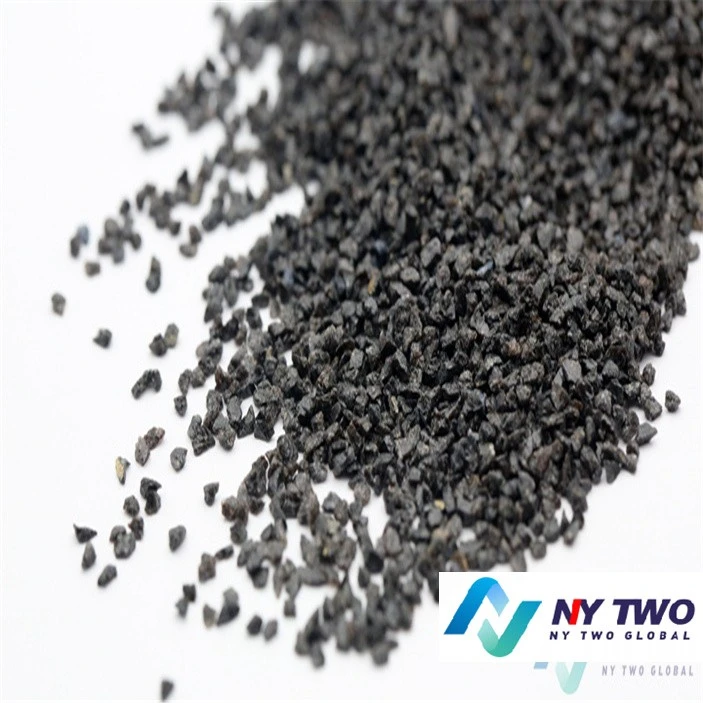
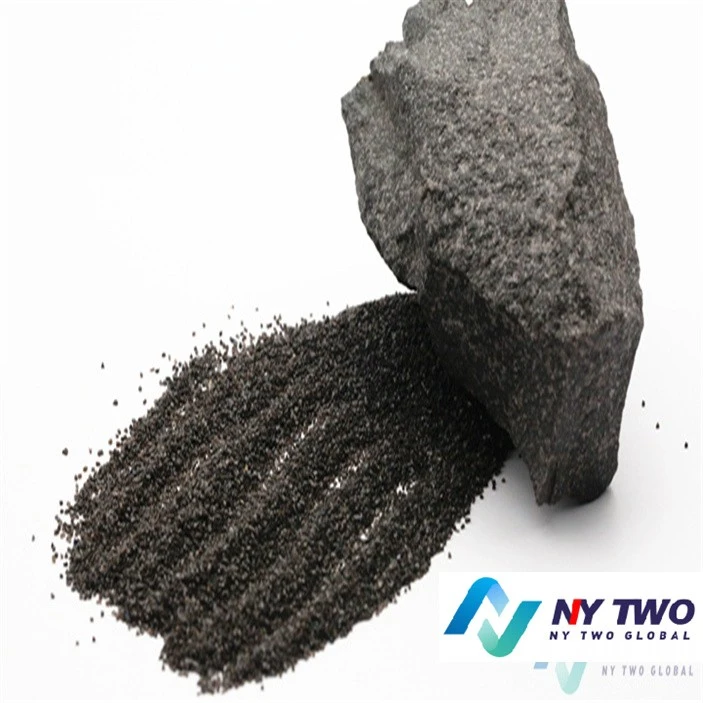
In the bauxite processing industry, there are some important products that are related to the process. For instance, mullite is a valuable product that can be produced from bauxite. You can learn more about it on Mullite Wikipedia. If you're interested in finding suppliers of fused mullite, you can check out Fused Mullite Manufacturers & Suppliers. And another related product is Brown Fused Alumina, which also has its own applications in the industry.
When it comes to integrating the auxiliary equipment, you also need to think about maintenance. Regular maintenance is crucial to keep all the equipment running smoothly. You should have a maintenance schedule for each piece of equipment, including cleaning, lubrication, and inspection. This will not only extend the lifespan of the equipment but also prevent unexpected breakdowns.
Training your staff is also an important aspect of integrating auxiliary equipment. Your operators need to know how to operate and maintain all the equipment properly. They should be familiar with the control systems and safety procedures. You can provide on - the - job training or send your staff to specialized training courses.
In summary, integrating the auxiliary equipment in a rotary kiln for bauxite is a complex but essential task. It requires careful planning, proper installation, and regular maintenance. By doing it right, you can improve the efficiency, quality, and safety of your bauxite processing operation.
If you're in the market for Rotary Kiln Bauxite or need advice on integrating auxiliary equipment, don't hesitate to reach out. I'm here to help you make the most of your bauxite processing setup. Let's have a chat and see how we can work together to take your business to the next level.
References
- Industry standards for bauxite processing in rotary kilns
- Technical manuals of auxiliary equipment used in bauxite processing