

What are the common grades of High Carbon Ferro Manganese?
High carbon ferro manganese (HCFeMn) is a crucial alloy in the steelmaking industry, known for its ability to enhance the strength, hardness, and wear resistance of steel. As a leading supplier of high carbon ferro manganese, I'm often asked about the common grades of this alloy. In this blog post, I'll provide an in - depth overview of the typical grades of high carbon ferro manganese, their properties, and applications.
Understanding High Carbon Ferro Manganese
High carbon ferro manganese is an alloy composed primarily of manganese (Mn), iron (Fe), and carbon (C). The high carbon content, usually ranging from 6% to 8%, gives the alloy its unique characteristics. Manganese is a key element in steelmaking as it acts as a deoxidizer, desulfurizer, and an austenite stabilizer. It helps to improve the hot - working properties of steel and increases its resistance to corrosion.
Common Grades of High Carbon Ferro Manganese
Grade 1: 75 - 80% Mn, 6 - 7.5% C
This is one of the most commonly used grades of high carbon ferro manganese. With a manganese content of 75 - 80%, it provides a significant boost to the strength and hardness of steel. The carbon content in the range of 6 - 7.5% helps in the formation of carbides, which further enhance the wear resistance of the final steel product.
Steel products made with this grade of high carbon ferro manganese are often used in applications where high strength and durability are required. For example, it is used in the manufacturing of heavy - duty machinery parts, such as gears, shafts, and axles. These parts need to withstand high stress and wear during operation, and the properties imparted by this grade of HCFeMn make them suitable for such demanding applications.
Grade 2: 80 - 85% Mn, 7 - 8% C
This grade has a higher manganese content compared to the previous one. The increased manganese level can improve the hardenability of steel, allowing for a deeper and more uniform hardening during heat treatment. The relatively high carbon content of 7 - 8% also contributes to the formation of more complex carbides, which can enhance the cutting ability and abrasion resistance of the steel.
Products made with this grade are commonly used in the production of cutting tools, such as saw blades and drills. The high - performance properties of the steel alloyed with this grade of high carbon ferro manganese enable these tools to cut through various materials efficiently and maintain their sharpness for a longer time.
Grade 3: 70 - 75% Mn, 5 - 6% C
Although it has a slightly lower manganese and carbon content compared to the first two grades, this grade of high carbon ferro manganese still offers good performance. The lower carbon content makes the alloy more weldable, while the manganese content still provides the necessary strength and deoxidation properties.
This grade is often used in applications where welding is a significant part of the manufacturing process. For example, it is used in the construction of steel structures, such as bridges and buildings. The ability to be easily welded without sacrificing too much strength makes it a popular choice for these large - scale projects.
Applications in Different Industries
Steelmaking Industry
In the steelmaking industry, high carbon ferro manganese is used as an additive to adjust the chemical composition of steel. Different grades are selected based on the specific requirements of the final steel product. For example, in the production of high - strength low - alloy (HSLA) steels, grades with higher manganese content are often used to improve the strength and toughness of the steel. These HSLA steels are widely used in the automotive industry for manufacturing car bodies, chassis, and other structural components.
Foundry Industry
In the foundry industry, high carbon ferro manganese is used to produce castings. The alloy helps in reducing the porosity and improving the mechanical properties of the castings. Different grades can be chosen depending on the type of casting and its intended application. For instance, castings used in heavy - machinery industries may require a grade with higher manganese and carbon content to ensure high strength and wear resistance.
Comparison with Other Alloy Materials
When compared with other alloy materials such as Alloy Material: Aluminum Alloy, high carbon ferro manganese has distinct advantages. Aluminum alloys are known for their lightweight and good corrosion resistance. However, they generally have lower strength compared to steel alloyed with high carbon ferro manganese. High carbon ferro manganese - alloyed steel is better suited for applications where high strength and durability are crucial, while aluminum alloys are more suitable for applications where weight reduction is a priority, such as in the aerospace industry.
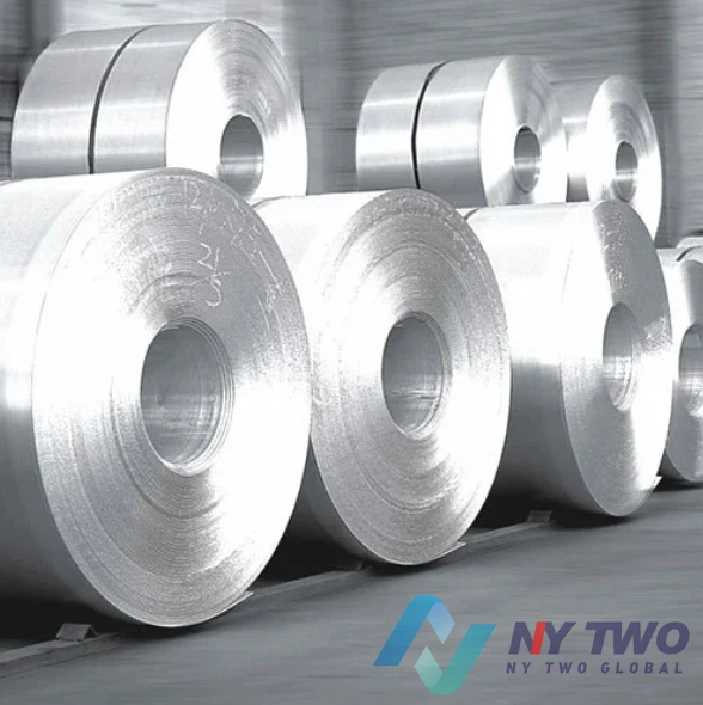
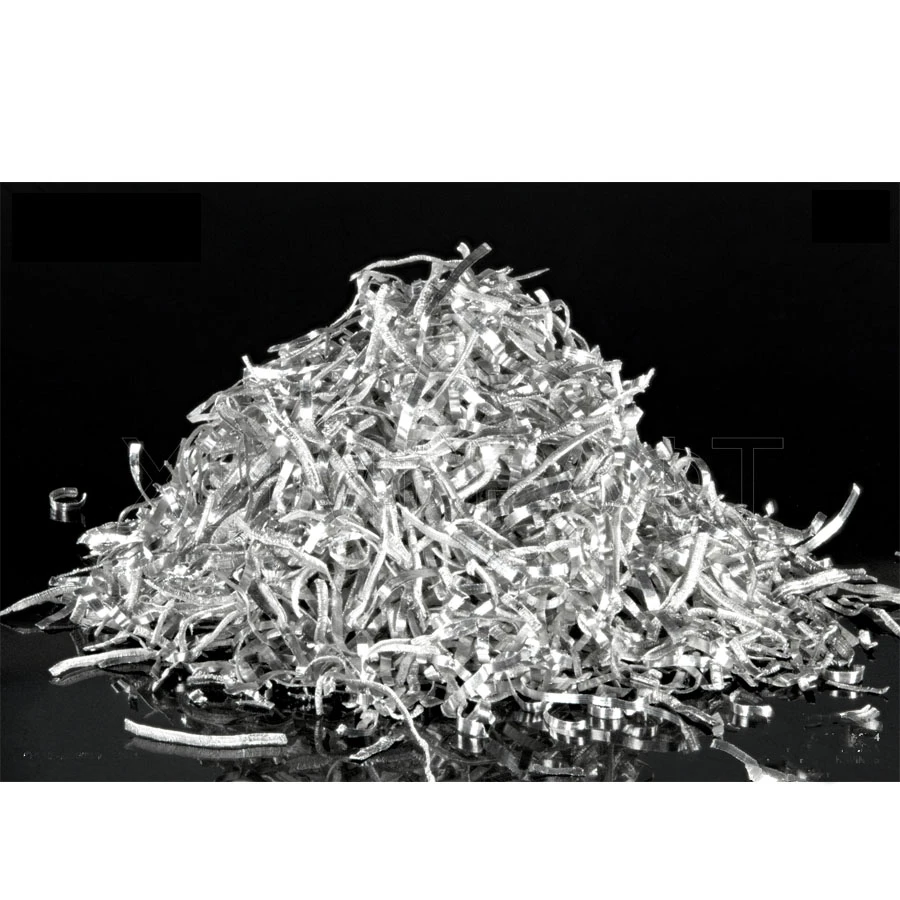
Another material to compare with is Magnesium Metal Shavings, 99.7%. Magnesium is even lighter than aluminum but has relatively low strength and poor wear resistance. High carbon ferro manganese - alloyed steel can outperform magnesium in applications where high stress and wear are involved.
Quality Control in High Carbon Ferro Manganese Production
As a supplier, quality control is of utmost importance. We have strict quality control measures in place to ensure that each batch of high carbon ferro manganese meets the required specifications. This includes chemical analysis to determine the exact composition of manganese, carbon, and other elements. We also conduct physical tests, such as hardness testing and impact testing, to verify the mechanical properties of the alloy.
By maintaining high - quality standards, we can provide our customers with a reliable and consistent product. This is crucial for industries that rely on high carbon ferro manganese for their manufacturing processes, as any variation in the quality of the alloy can affect the performance of the final product.
The Role of Manganese Metal in High Carbon Ferro Manganese
Manganese metal is the primary raw material for producing high carbon ferro manganese. Manganese Metal is first refined and then alloyed with iron and carbon to form high carbon ferro manganese. The quality of the manganese metal used has a direct impact on the quality of the final alloy. High - purity manganese metal can result in a high - quality high carbon ferro manganese with fewer impurities, which in turn can improve the performance of the steel products made with it.
Conclusion
In conclusion, high carbon ferro manganese is an essential alloy in various industries, especially in steelmaking and foundry. The common grades of high carbon ferro manganese, each with its unique combination of manganese and carbon content, offer different properties and are suitable for a wide range of applications. As a supplier, we are committed to providing high - quality high carbon ferro manganese to meet the diverse needs of our customers.
If you are interested in purchasing high carbon ferro manganese or have any questions about our products, please feel free to contact us for a detailed discussion. We are always ready to assist you in finding the most suitable grade of high carbon ferro manganese for your specific requirements.
References
- "Handbook of Ferroalloys" by G. E. Totten and M. A. Quaider
- "Steelmaking and Refining Handbook" by G. Krauss
- "Alloying Elements in Steel" by B. Bhadeshia