

What are the differences between calcined and sintered White Tabular Alumina?
White tabular alumina is a crucial material in various industries, especially in refractories, due to its high purity, excellent thermal stability, and superior mechanical properties. As a supplier of white tabular alumina, I often encounter inquiries about the differences between calcined and sintered white tabular alumina. In this blog, I will delve into the key distinctions between these two types of alumina to help you make informed decisions for your specific applications.
Manufacturing Processes
The primary difference between calcined and sintered white tabular alumina lies in their manufacturing processes.
Calcined white tabular alumina is produced by heating high - purity aluminum hydroxide at a relatively lower temperature, typically around 1200 - 1400°C. During this process, the aluminum hydroxide loses its chemically combined water and transforms into alumina. The calcination process is mainly used to remove volatile components and to initiate the phase transformation of the raw material. The resulting calcined alumina has a relatively porous structure and a fine particle size distribution.
On the other hand, sintered white tabular alumina is manufactured by heating high - purity alumina powder at a much higher temperature, usually above 1800°C. At such high temperatures, the alumina particles start to fuse together through a process called sintering. Sintering eliminates porosity and causes the alumina grains to grow, resulting in a dense and well - crystallized structure. This high - temperature treatment imparts unique properties to the sintered alumina that are distinct from those of calcined alumina.
Physical Properties
Density
Sintered white tabular alumina generally has a higher density than calcined white tabular alumina. The high - temperature sintering process causes the alumina particles to pack closely together, reducing the void spaces within the material. This high density gives sintered alumina better mechanical strength and resistance to wear and corrosion. In contrast, calcined alumina has a lower density due to its porous structure, which can be advantageous in some applications where light weight is desired.
Particle Size and Morphology
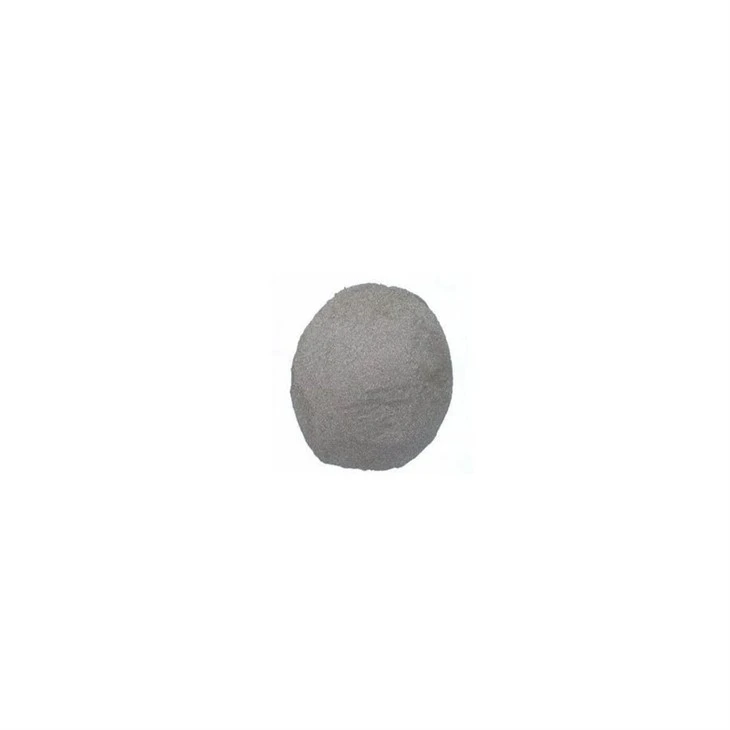
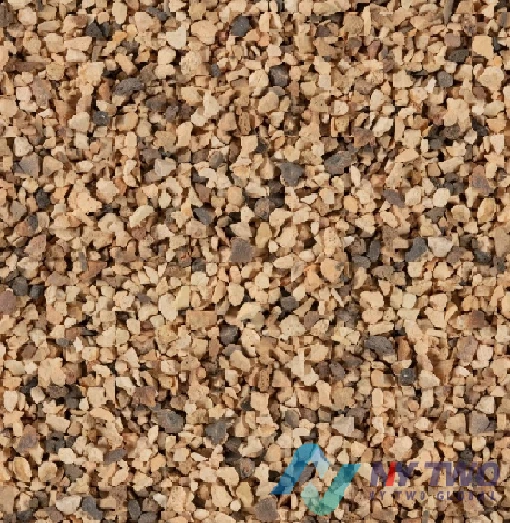
Calcined alumina typically has a finer particle size compared to sintered alumina. The calcination process breaks down the raw material into smaller particles, resulting in a powder with a relatively narrow particle size distribution. The particles of calcined alumina are often irregular in shape. Sintered alumina, however, has larger and more uniform particles. The high - temperature sintering promotes grain growth, and the particles tend to have a more rounded and well - defined shape.
Porosity
As mentioned earlier, calcined white tabular alumina has a porous structure. This porosity can be beneficial in applications such as catalyst supports, where a large surface area is required for chemical reactions. Sintered alumina, on the other hand, has very low porosity. The high - temperature sintering process eliminates most of the pores, making it more suitable for applications where gas or liquid permeability needs to be minimized, such as in refractory linings for high - temperature furnaces.
Chemical Properties
Purity
Both calcined and sintered white tabular alumina are known for their high purity. However, sintered alumina often has a slightly higher purity level. The high - temperature sintering process can further purify the alumina by driving off any remaining impurities. This high purity makes sintered alumina particularly suitable for applications in the electronics and semiconductor industries, where even trace amounts of impurities can have a significant impact on performance.
Chemical Reactivity
Calcined alumina is more chemically reactive than sintered alumina. The porous structure and fine particle size of calcined alumina provide a larger surface area for chemical reactions. This reactivity can be exploited in applications such as the production of catalysts and adsorbents. Sintered alumina, with its dense structure and lower surface area, is more chemically inert and is often used in applications where resistance to chemical attack is required, such as in chemical processing equipment.
Applications
Calcined White Tabular Alumina
- Catalyst Supports: The high surface area and porosity of calcined alumina make it an ideal material for catalyst supports. Catalysts can be deposited on the surface of the calcined alumina, and the porous structure allows for efficient mass transfer during chemical reactions.
- Ceramics: Calcined alumina is used in the production of various ceramic products, such as technical ceramics and ceramic coatings. Its fine particle size and reactivity contribute to the formation of high - quality ceramic materials with good mechanical and electrical properties.
- Polishing and Abrasive Applications: The fine particles of calcined alumina can be used as abrasives in polishing applications. They can provide a smooth and precise finish on a variety of surfaces, including metals, glass, and ceramics.
Sintered White Tabular Alumina
- Refractories: Sintered alumina is widely used in the refractory industry. Its high density, low porosity, and excellent thermal stability make it suitable for lining high - temperature furnaces, kilns, and reactors. It can withstand extreme temperatures and mechanical stresses without significant degradation.
- Electrical Insulators: The high purity and chemical inertness of sintered alumina make it an excellent electrical insulator. It is used in the production of electrical components such as insulators, substrates, and heat sinks in the electronics industry.
- Advanced Ceramics: Sintered alumina is also used in the production of advanced ceramic materials, such as cutting tools, wear - resistant parts, and biomedical implants. Its high strength, hardness, and resistance to wear and corrosion make it a preferred material for these demanding applications.
Comparison in the Market
In the market, the price of sintered white tabular alumina is generally higher than that of calcined white tabular alumina. This is mainly due to the higher energy consumption and more complex manufacturing process involved in producing sintered alumina. However, the choice between the two types of alumina depends on the specific requirements of the application. For cost - sensitive applications where high strength and low porosity are not critical, calcined alumina may be a more suitable option. For high - performance applications where the unique properties of sintered alumina are essential, the higher cost may be justified.
As a supplier of white tabular alumina, I can provide both calcined and sintered white tabular alumina to meet the diverse needs of our customers. We ensure the highest quality of our products through strict quality control measures at every stage of the manufacturing process. Whether you are looking for Mangnalium 250mesh For Fireworks, Calcined Bauxite Suppliers Uk, or Refractory - roboat - carthy - 001 - toMinier -, our white tabular alumina products can be a valuable addition to your production.
If you are interested in purchasing white tabular alumina or have any questions about the differences between calcined and sintered alumina, please feel free to contact us. Our team of experts is ready to assist you in selecting the most suitable product for your specific application. We look forward to the opportunity to work with you and contribute to the success of your projects.
References
- "Alumina: Chemistry and Applications" by David A. Shirley.
- "Refractories Handbook" edited by P. V. Ramana Rao.
- Journal articles on the properties and applications of white tabular alumina in various scientific journals such as the Journal of the American Ceramic Society.