

How does Fused Magnesia impact the performance of cement kilns?
Fused magnesia, a high - grade refractory material, has a profound impact on the performance of cement kilns. As a fused magnesia supplier, I have witnessed firsthand how this remarkable material can transform the efficiency and longevity of cement production facilities. In this blog, we will delve into the various ways in which fused magnesia influences the performance of cement kilns.
1. Chemical and Physical Properties of Fused Magnesia
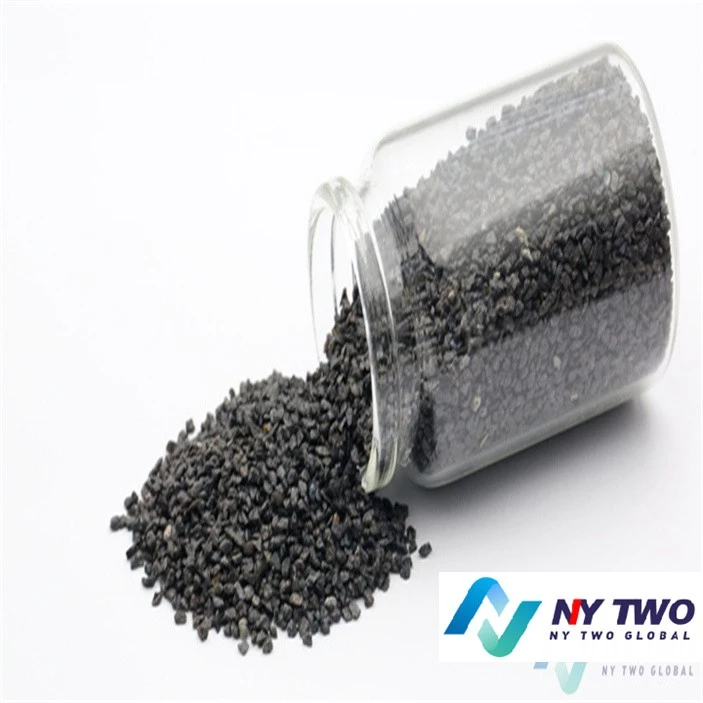
Fused magnesia is produced by melting high - purity magnesite in an electric arc furnace at extremely high temperatures. This process results in a product with a high melting point (around 2800°C), excellent thermal shock resistance, and high chemical stability. The chemical composition of fused magnesia is mainly magnesium oxide (MgO), with a purity often exceeding 95%. This high purity gives it superior refractory properties, making it an ideal choice for use in harsh environments such as cement kilns.
The crystal structure of fused magnesia is dense, which provides good mechanical strength. It can withstand the mechanical stresses caused by the movement of materials inside the kiln, as well as the thermal stresses resulting from rapid temperature changes during the cement - making process.

2. Impact on Refractory Lining
One of the most critical applications of fused magnesia in cement kilns is in the refractory lining. The refractory lining protects the kiln shell from the high temperatures and corrosive chemicals present in the cement - making process. Fused magnesia - based refractories offer several advantages in this regard.
2.1 High Temperature Resistance
Cement kilns operate at very high temperatures, typically between 1400 - 1600°C. Fused magnesia can withstand these extreme temperatures without significant deformation or melting. This allows the refractory lining to maintain its integrity over long periods, reducing the need for frequent repairs and replacements. For example, in the burning zone of a cement kiln, where the temperature is the highest, fused magnesia - chrome bricks are often used. These bricks can resist the high - temperature clinker phases and the corrosive gases generated during the calcination process.
2.2 Corrosion Resistance
The cement - making process involves the presence of various corrosive substances, such as alkalis, sulfur compounds, and chlorine. Fused magnesia has a high resistance to these corrosive agents. It forms a stable protective layer on the surface of the refractory lining, which prevents the penetration of corrosive substances into the material. This significantly extends the service life of the refractory lining. For instance, when exposed to alkali vapors, fused magnesia reacts to form a dense layer of magnesium aluminate spinel, which acts as a barrier against further corrosion.
2.3 Thermal Shock Resistance
During the start - up and shutdown of a cement kiln, the refractory lining is subjected to rapid temperature changes. Fused magnesia has good thermal shock resistance, which means it can withstand these sudden temperature variations without cracking or spalling. This property is crucial for maintaining the structural integrity of the refractory lining and ensuring the continuous operation of the cement kiln.
3. Influence on Energy Efficiency
Fused magnesia can also contribute to the energy efficiency of cement kilns. The high - quality refractory lining made from fused magnesia reduces heat loss from the kiln. Since less heat is lost to the surroundings, more of the energy input is used for the actual cement - making process.
A well - insulated kiln with a fused magnesia - based refractory lining requires less fuel to maintain the desired operating temperature. This not only reduces the operating costs of the cement plant but also has environmental benefits by reducing greenhouse gas emissions. Additionally, the improved thermal stability of the kiln due to the use of fused magnesia allows for more precise control of the firing process, which can lead to better - quality cement production with less energy consumption.
4. Impact on Product Quality
The performance of the cement kiln directly affects the quality of the cement produced. Fused magnesia helps to create a more stable and controlled environment inside the kiln, which is beneficial for the formation of high - quality cement clinker.
The high - temperature resistance and chemical stability of fused magnesia ensure that the kiln can maintain the optimal conditions for the chemical reactions involved in cement production. For example, the calcination of limestone to form calcium oxide and the subsequent reactions with other raw materials to form cement clinker phases occur more efficiently in a kiln with a high - quality fused magnesia refractory lining. This results in a more uniform and high - strength cement product.
5. Comparison with Other Refractory Materials
When considering refractory materials for cement kilns, it is important to compare fused magnesia with other options such as Fused Magnesia Alumina Spinel and Brown Corundum.
Fused magnesia has a higher melting point and better chemical resistance compared to many other refractory materials. While fused magnesia alumina spinel also offers good refractory properties, fused magnesia is often preferred in applications where the highest level of temperature and corrosion resistance is required, such as in the burning zone of the cement kiln.
Brown corundum, on the other hand, has excellent hardness and abrasion resistance. However, it may not be as effective as fused magnesia in terms of high - temperature stability and chemical resistance in the harsh environment of a cement kiln.
6. Role in the Silicon Carbide Manufacturing Industry
Although the primary focus of this blog is on cement kilns, it is worth mentioning the relationship between fused magnesia and the Silicon Carbide Manufacturing Industry. Both industries rely on high - temperature processes and high - quality refractory materials.
Fused magnesia can be used in the furnaces of the silicon carbide manufacturing industry for similar reasons as in cement kilns. Its high - temperature resistance and chemical stability make it suitable for lining the furnaces where silicon carbide is produced at high temperatures. This cross - industry application highlights the versatility and importance of fused magnesia in high - temperature industrial processes.
7. Conclusion and Call to Action
In conclusion, fused magnesia plays a vital role in enhancing the performance of cement kilns. Its high - temperature resistance, corrosion resistance, thermal shock resistance, and contribution to energy efficiency and product quality make it an indispensable material in the cement production industry.
If you are in the cement manufacturing business or any other industry that requires high - quality refractory materials, I encourage you to consider using our fused magnesia products. Our company is committed to providing the highest - quality fused magnesia with consistent chemical and physical properties. We can offer customized solutions to meet your specific requirements. Whether you need refractory bricks, castables, or other forms of fused magnesia - based products, we have the expertise and resources to serve you.
Contact us today to start a discussion about your refractory needs and how our fused magnesia can improve the performance of your cement kiln or other high - temperature equipment. We look forward to partnering with you to achieve greater efficiency and productivity in your operations.
References
- Kriven, W. M., & Cannon, W. R. (Eds.). (2012). Advanced Refractory Technology. John Wiley & Sons.
- Taylor, H. F. W. (1997). Cement Chemistry. Thomas Telford.
- Schneider, H., & Schwelger, F. (2008). Refractory Materials. Wiley - VCH Verlag GmbH & Co. KGaA.