

What are the differences in production technology between domestic and foreign Ferro Manganese Low Carbon?
Hey there! I'm a supplier of Ferro Manganese Low Carbon, and I've been in this industry for quite some time. Today, I wanna chat about the differences in production technology between domestic and foreign Ferro Manganese Low Carbon.
Raw Materials
First off, let's talk about raw materials. In foreign production, they often have access to high - grade manganese ores. These ores usually have a higher manganese content and fewer impurities. For example, some foreign mines can provide ores with a manganese content of over 50%. This high - quality raw material gives them an edge right from the start. They can produce Ferro Manganese Low Carbon with more stable chemical compositions.
On the other hand, domestic suppliers sometimes have to deal with lower - grade manganese ores. The manganese content in domestic ores can vary widely, sometimes as low as 30%. But domestic producers have come up with some smart ways to work around this. They use advanced ore - dressing techniques to enrich the manganese content in the ores before using them in production. However, this additional step in the process can increase the production cost to some extent.
When it comes to other additives, foreign producers might have a wider range of choices. They can source special additives from different parts of the world, which can have a positive impact on the quality of the final product. For instance, they might use Aluminium Magnesium Alloy Powder as an additive to improve the fluidity and desulfurization effect during the smelting process. Domestic producers, while also using additives, might be more limited by the local supply situation. But they are constantly working on developing new domestic sources of additives to reduce costs and improve quality.
Smelting Technology
Smelting is a crucial step in the production of Ferro Manganese Low Carbon. Foreign smelting technologies are often more automated. They use advanced control systems to precisely regulate the temperature, pressure, and chemical reactions during the smelting process. This high - level of automation leads to more consistent product quality. For example, they can maintain a very stable temperature within a narrow range, which is beneficial for the formation of the desired alloy structure.
In domestic production, although there has been a lot of progress in automation, there is still a certain gap compared to foreign counterparts. Some domestic smelters still rely on a combination of manual and automated operations. However, this also gives domestic producers more flexibility in some cases. They can quickly adjust the production process according to the specific characteristics of the raw materials they are using.
The smelting furnaces also show some differences. Foreign smelters often use larger - scale and more advanced furnaces. These furnaces have better heat - retention properties and can handle larger batches of raw materials at once. This not only improves production efficiency but also reduces energy consumption per unit of product. Domestic furnaces, while also evolving, might be relatively smaller in scale in some cases. But domestic manufacturers are investing in research and development to build larger and more efficient furnaces.
Refining Process
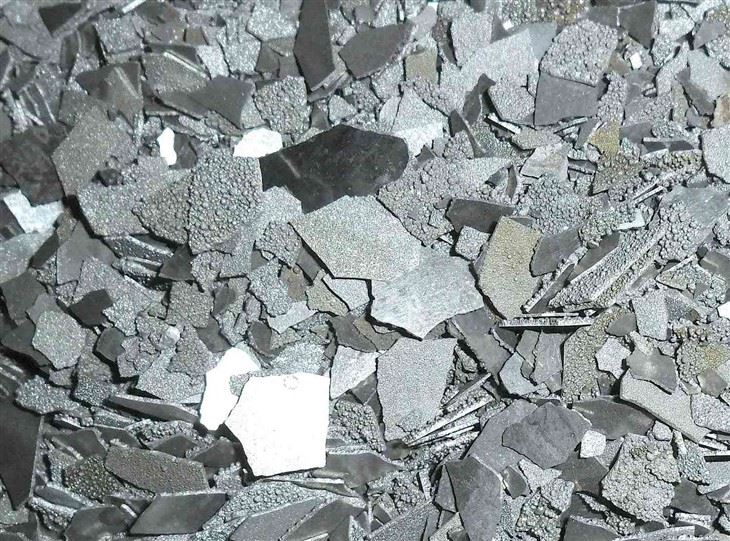
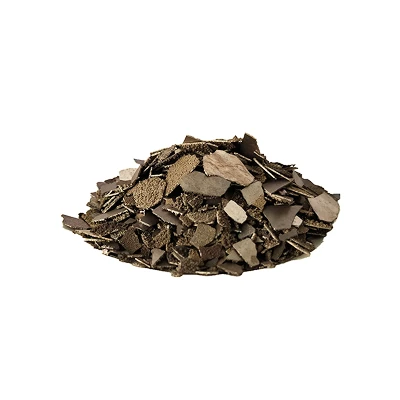
After smelting, the refining process is used to further purify the Ferro Manganese Low Carbon and adjust its chemical composition. Foreign refining technologies are generally more sophisticated. They use advanced refining agents and techniques to remove impurities such as sulfur, phosphorus, and silicon more effectively. For example, they might use Manganese Metal in the refining process to adjust the manganese content and improve the overall quality of the product.
Domestic refining processes have also made great strides. Domestic producers have developed their own set of refining methods that are suitable for the characteristics of domestic raw materials. They are constantly improving the efficiency of impurity removal and the accuracy of composition adjustment. However, in terms of the overall refining effect and the ability to achieve extremely low impurity levels, there is still room for improvement compared to foreign technologies.
Quality Control
Quality control is an important aspect of production. Foreign producers usually have more comprehensive and strict quality control systems. They follow international standards and use advanced testing equipment to ensure that every batch of Ferro Manganese Low Carbon meets the specified requirements. For example, they use X - ray fluorescence spectrometers to accurately analyze the chemical composition of the product, and electron microscopes to examine the microstructure.
Domestic quality control has also become more and more standardized. Domestic suppliers are increasingly adopting international quality control standards and investing in modern testing equipment. But in some small - scale domestic enterprises, there might still be some problems in the implementation of quality control systems. However, the overall trend is that domestic quality control is getting better and better.
Cost and Pricing
Cost is a major factor in production. Foreign production often has higher labor costs and environmental protection costs. They have to comply with strict environmental regulations, which requires them to invest a lot of money in environmental protection facilities. This, in turn, leads to relatively higher product prices.
Domestic production, on the other hand, has an advantage in terms of labor cost. The labor cost in China is relatively lower compared to many foreign countries. In addition, domestic producers are also making efforts to reduce energy consumption and production costs through technological innovation. As a result, domestic Ferro Manganese Low Carbon products can often be priced more competitively in the market.
Market Demand and Adaptability
Foreign markets might have different demands for Ferro Manganese Low Carbon. Some developed countries have higher requirements for product quality and environmental performance. They are willing to pay a higher price for high - quality products that meet strict environmental standards. Foreign producers are more focused on meeting these high - end market demands.
Domestic market demand is also diverse. In addition to the high - end market, there is also a large - scale demand for medium - and low - end products in domestic industries such as construction and general machinery manufacturing. Domestic producers are more adaptable to this diverse market demand. They can produce products with different quality levels and prices to meet the needs of different customers.
Conclusion
In conclusion, there are indeed some differences in the production technology of Ferro Manganese Low Carbon between domestic and foreign suppliers. Foreign technologies generally have advantages in terms of raw material quality, automation, and high - end quality control. However, domestic production has its own characteristics, such as flexibility, cost - effectiveness, and adaptability to domestic market demand.
As a domestic supplier of Ferro Manganese Low Carbon, I believe that we have a lot of potential for development. We are constantly learning from foreign advanced technologies and at the same time, innovating based on our own advantages.
If you're interested in purchasing Ferro Manganese Low Carbon, whether you're looking for high - quality products for high - end applications or cost - effective products for general use, I'd be more than happy to have a chat with you about your specific needs. We can discuss the product specifications, pricing, and delivery details. Let's work together to find the best solution for your business!
References
- Industry reports on Ferro Manganese Low Carbon production technology.
- Technical papers on metal smelting and refining.