

What are the different firing modes in a rotary kiln for bauxite?
Hey there! If you're in the bauxite industry or just curious about rotary kilns for bauxite, you're in the right place. I'm part of a rotary kiln bauxite supplier, and I've seen firsthand how different firing modes can make a huge difference in the bauxite processing.
Let's start by understanding what bauxite is. Bauxite is the primary ore of aluminum. It's a sedimentary rock that contains a mixture of aluminum oxides and hydroxides. When it comes to processing bauxite, rotary kilns play a crucial role. These large, rotating cylinders are used to heat the bauxite to high temperatures, which helps in extracting the aluminum and purifying it.
Now, let's dive into the different firing modes in a rotary kiln for bauxite.
Direct Firing Mode
The direct firing mode is one of the most common ways to heat bauxite in a rotary kiln. In this mode, the fuel, usually coal, oil, or gas, is burned directly inside the kiln. The heat from the combustion process is transferred directly to the bauxite, causing it to undergo chemical and physical changes.
One of the main advantages of direct firing is its high efficiency. Since the heat is transferred directly to the bauxite, there's less heat loss, which means more energy is used effectively. This can lead to lower operating costs in the long run. However, direct firing also has some drawbacks. The combustion process can produce pollutants, such as sulfur dioxide and nitrogen oxides, which can be harmful to the environment. Additionally, the quality of the bauxite can be affected if the combustion is not controlled properly.
Indirect Firing Mode
In the indirect firing mode, the fuel is burned outside the kiln, and the heat is transferred to the bauxite through a heat exchanger. This mode is often used when the bauxite needs to be heated gently or when the combustion products need to be kept separate from the bauxite.
One of the benefits of indirect firing is that it can produce a more consistent heat profile. This is because the heat is transferred through a controlled medium, which helps in maintaining a stable temperature inside the kiln. Indirect firing also reduces the risk of pollution, as the combustion products are not in direct contact with the bauxite. However, indirect firing is generally less efficient than direct firing, as there's more heat loss through the heat exchanger.
Mixed Firing Mode
The mixed firing mode combines the advantages of both direct and indirect firing. In this mode, a portion of the fuel is burned directly inside the kiln, while the rest is burned outside and the heat is transferred through a heat exchanger. This allows for a more flexible and efficient way of heating the bauxite.
The mixed firing mode can be adjusted depending on the specific requirements of the bauxite processing. For example, if the bauxite needs to be heated quickly at the beginning of the process, more fuel can be burned directly inside the kiln. As the process progresses and the bauxite needs to be heated more gently, the indirect firing can be increased. This mode also helps in reducing pollution, as the direct firing can be controlled to minimize the production of pollutants.
Impact of Firing Modes on Bauxite Quality
The choice of firing mode can have a significant impact on the quality of the bauxite. Different firing modes can affect the chemical composition, physical properties, and microstructure of the bauxite.
For example, direct firing can cause the bauxite to undergo rapid heating, which can lead to the formation of cracks and fractures. This can reduce the strength and durability of the bauxite. On the other hand, indirect firing can provide a more gentle heating process, which can help in preserving the integrity of the bauxite.
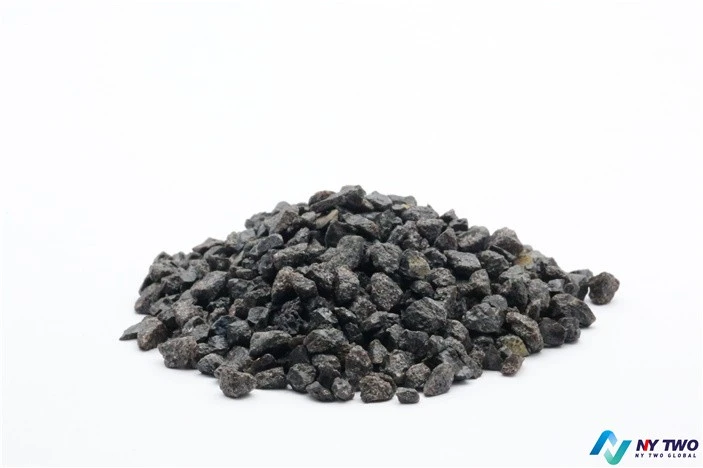
The firing mode can also affect the chemical composition of the bauxite. For instance, direct firing can cause the oxidation of certain elements in the bauxite, which can change its chemical properties. Indirect firing, on the other hand, can help in maintaining the original chemical composition of the bauxite.
Applications of Different Firing Modes
The different firing modes are used in various applications depending on the specific requirements of the bauxite processing.
In the production of Tabular Alumina 325 Li, direct firing is often used to achieve high temperatures quickly. This helps in the formation of high-quality tabular alumina, which is used in a wide range of industries, including refractory materials, ceramics, and abrasives.
For the production of Brown Fused Alumina Polishing Powder, indirect firing may be preferred. This is because the gentle heating process can help in producing a more uniform and fine-grained powder, which is ideal for polishing applications.
When it comes to determining the Fused Magnesia Price, the firing mode can also play a role. Different firing modes can affect the production cost and quality of fused magnesia, which in turn can influence its price in the market.
Choosing the Right Firing Mode
Choosing the right firing mode for your bauxite processing depends on several factors. These include the quality of the bauxite, the desired end product, the production capacity, and the environmental regulations.
If you're looking for high efficiency and rapid heating, direct firing may be the best option. However, if you need to produce a high-quality product with minimal pollution, indirect or mixed firing may be more suitable. It's also important to consider the cost of the firing mode, as some modes may require more expensive equipment or fuel.
As a rotary kiln bauxite supplier, we have the expertise and experience to help you choose the right firing mode for your specific needs. Our team of experts can analyze your bauxite sample and recommend the most appropriate firing mode based on your requirements.
Conclusion
In conclusion, the different firing modes in a rotary kiln for bauxite offer various advantages and disadvantages. Each mode has its own unique characteristics, which can affect the quality, efficiency, and cost of the bauxite processing. By understanding the different firing modes and their impact on bauxite quality, you can make an informed decision when it comes to choosing the right firing mode for your business.
If you're interested in learning more about our rotary kiln bauxite products or need help in choosing the right firing mode, don't hesitate to contact us. We're here to assist you with all your bauxite processing needs. Whether you're a small-scale producer or a large industrial company, we can provide you with the best solutions to meet your requirements.
References
- "Handbook of Bauxite and Alumina Processing" by John A. Herbst
- "Rotary Kiln Technology: Design and Operation" by Peter A. Schweitzer
- "Bauxite and Alumina: Production, Processing, and Applications" by David W. Fuerstenau