

What are the disadvantages of White Fused?
As a supplier of white fused alumina, I've been in the business long enough to see both the bright and not - so - bright sides of this product. While white fused alumina has a lot going for it, there are some disadvantages that potential buyers should be aware of.
High Production Cost
One of the most significant drawbacks of white fused alumina is its high production cost. Making white fused alumina involves melting high - purity alumina powder in an electric arc furnace at extremely high temperatures, around 2000 - 2200 degrees Celsius. This process gobbles up a ton of electricity. With the ever - increasing cost of energy, the production expense just keeps climbing.
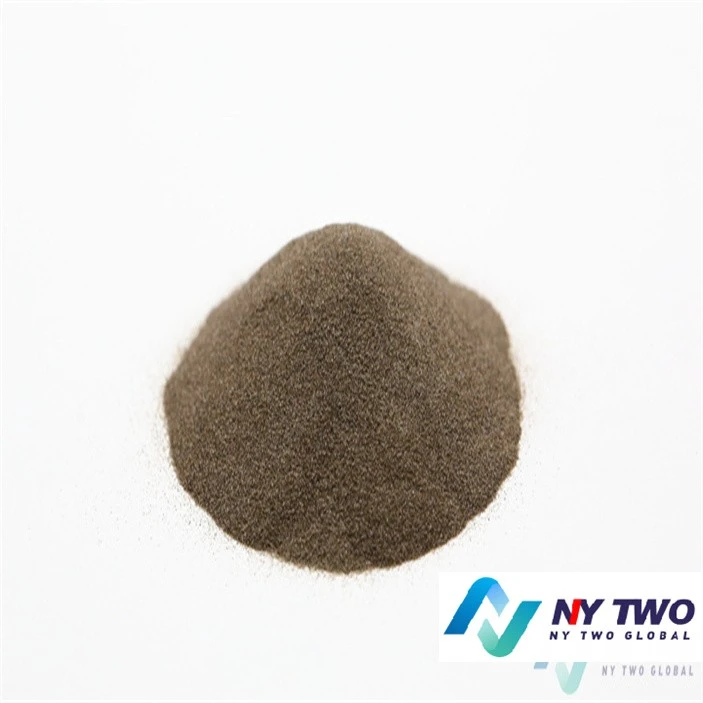
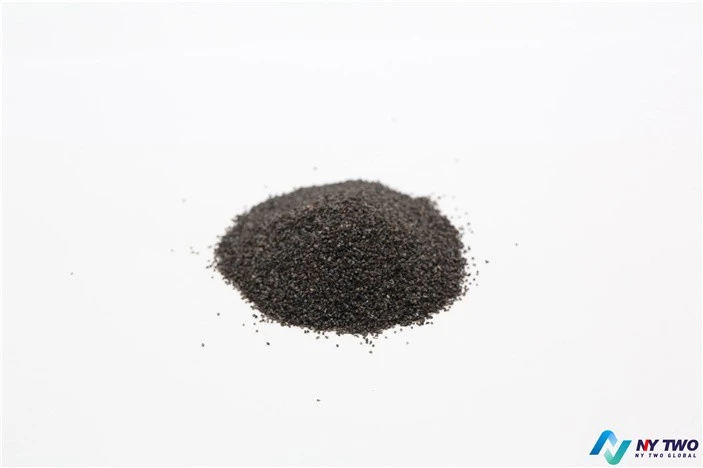
Compared to other abrasives like Brown Fused Alumina Micro Powder For Abrasives, which is made from bauxite and has a relatively lower melting point, white fused alumina requires more resources and energy. This high cost of production is then passed on to the customers. So, if you're on a tight budget, you might find white fused alumina a bit of a stretch.
Brittleness
White fused alumina is quite brittle. When it's used for grinding or abrasive applications, it tends to break down faster than some other abrasives. In a grinding operation, for example, the constant pressure and friction can cause the white fused alumina grains to fracture. This means that you may need to replace the abrasive more frequently.
Imagine you're running a manufacturing line that uses white fused alumina for surface finishing. If the abrasive keeps breaking down, you'll have to stop the production line to change it. This not only increases the cost of the abrasives themselves but also leads to downtime, which can hit your bottom line hard. In contrast, Fused Alumina Brown Powder is known for its toughness and can withstand more wear and tear before needing replacement.
Limited Chemical Reactivity
While in some cases, the chemical stability of white fused alumina is an advantage, in others, it can be a disadvantage. White fused alumina is relatively inert chemically. This can be a problem when you need an abrasive that can react with the material being processed to achieve a specific surface finish or chemical modification.
For instance, in some metal - working processes, you might want an abrasive that can form a thin layer of oxide on the metal surface through a chemical reaction. Since white fused alumina doesn't react easily, it can't perform this function. Other abrasives may be more suitable for such applications where chemical reactivity is crucial.
Environmental Impact
The production of white fused alumina has a notable environmental impact. As I mentioned earlier, the high - temperature melting process consumes a large amount of electricity. Most of the electricity comes from non - renewable sources like coal - fired power plants, which release a significant amount of greenhouse gases into the atmosphere.
Moreover, the mining of the raw materials for white fused alumina can also cause environmental damage. It can lead to deforestation, soil erosion, and water pollution. If your company is aiming for a more sustainable and eco - friendly production process, the environmental footprint of white fused alumina might be a deal - breaker.
High Initial Investment for Equipment
If you plan to use white fused alumina in your production process, you may need to make a high initial investment in equipment. Since white fused alumina is a high - performance abrasive, it requires specialized grinding and polishing equipment to work effectively.
The equipment needs to be able to handle the high - speed and high - pressure operations associated with white fused alumina. This means that you'll have to spend a lot of money on buying and installing the right machinery. And then there are the maintenance costs. These specialized machines need regular upkeep to ensure they function properly, adding to the overall cost of using white fused alumina.
Market Competition and Pricing Pressure
The market for abrasives is highly competitive. There are many alternatives to white fused alumina, such as silicon carbide and other types of alumina abrasives. These alternatives often come at a lower price, which puts pressure on the pricing of white fused alumina.
As a supplier, I sometimes find it challenging to convince customers to choose white fused alumina over its cheaper counterparts. Even though white fused alumina offers high - quality performance in certain applications, the price difference can be a major deterrent for cost - conscious buyers.
Lack of Versatility
White fused alumina is excellent for specific applications, but it lacks the versatility of some other abrasives. For example, Abrasive White Corundum Powder is mainly used for high - precision grinding and polishing of hard materials like ceramics and high - speed steel. It may not be as effective for softer materials or for applications that require a more aggressive cutting action.
If your business deals with a wide range of materials and applications, you may need to keep multiple types of abrasives in stock, which adds to the inventory cost and complexity of your operations.
Despite these disadvantages, white fused alumina still has its place in the market. It offers high purity, excellent hardness, and a fine - grained structure that makes it ideal for certain high - end applications. If you're in the market for abrasives and think white fused alumina might be right for your needs, I'd love to have a chat with you. We can discuss your specific requirements and see if white fused alumina is the best fit for your production process. Whether it's about the cost, the application, or the equipment, I'm here to help you make an informed decision.
References
- "Abrasive Materials Handbook"
- Industry reports on abrasive production and market trends.