

What are the effects of Ferro Silicon on the grain size of metals?
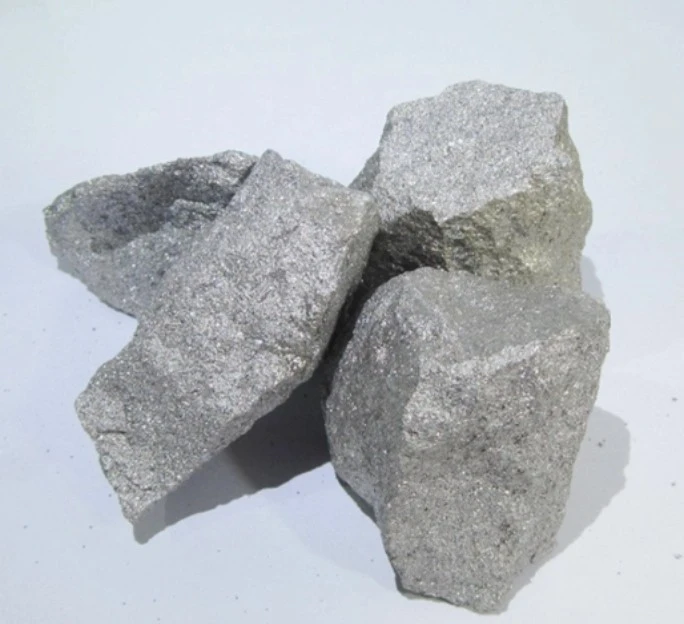
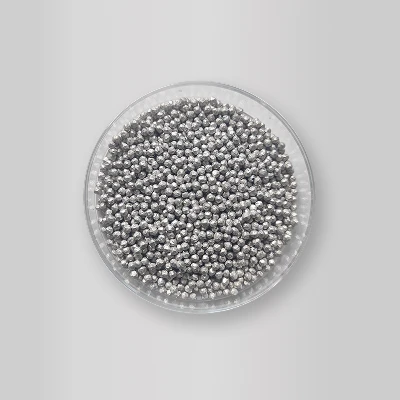
Ferro silicon, an alloy composed primarily of iron and silicon, has long been a cornerstone in the metallurgical industry. As a trusted ferro silicon supplier, I've witnessed firsthand its transformative impact on metal properties, particularly on the grain size of metals. In this blog, we'll delve into the intricate relationship between ferro silicon and metal grain size, exploring the effects, mechanisms, and practical implications of this interaction.
Understanding Grain Size in Metals
Before we explore the effects of ferro silicon, it's essential to understand the concept of grain size in metals. Grains are individual crystals within a metal structure, and their size significantly influences the material's mechanical, physical, and chemical properties. Smaller grain sizes generally lead to increased strength, hardness, and ductility, as well as improved resistance to corrosion and fatigue. Conversely, larger grain sizes can result in reduced strength and increased brittleness.
The control of grain size is a critical aspect of metal processing, as it allows manufacturers to tailor the properties of metals to meet specific application requirements. This is where ferro silicon comes into play, offering a cost - effective and efficient means of influencing grain size during the melting and solidification processes.
The Role of Ferro Silicon in Grain Refinement
One of the primary effects of ferro silicon on metals is its ability to refine the grain size. When added to molten metal, ferro silicon acts as a nucleating agent, providing numerous sites for the formation of new crystals during solidification. This increased nucleation rate leads to a larger number of smaller grains, effectively reducing the average grain size of the metal.
The silicon in ferro silicon plays a crucial role in this process. Silicon has a high affinity for oxygen and can react with oxygen impurities in the molten metal to form silicon dioxide (SiO₂) particles. These particles act as heterogeneous nucleation sites, promoting the formation of new grains at a lower undercooling than would be required for homogeneous nucleation. As a result, the metal solidifies with a finer grain structure.
For example, in the production of steel, the addition of ferro silicon can significantly refine the grain size of the final product. Fine - grained steel exhibits superior mechanical properties, such as higher yield strength and better toughness, making it suitable for a wide range of applications, from automotive components to structural steel in buildings.
Influence on Different Metals
Steel
As mentioned earlier, ferro silicon has a profound impact on the grain size of steel. In addition to its role as a nucleating agent, silicon also affects the solidification behavior of steel. It can lower the melting point of the steel and increase the fluidity of the molten metal, allowing for better distribution of alloying elements and more uniform solidification.
During the solidification of steel, ferro silicon helps to prevent the growth of large dendrites, which are long, branching crystals that can weaken the metal. By promoting the formation of smaller, more equiaxed grains, ferro silicon enhances the overall strength and ductility of the steel. This is particularly important in high - strength low - alloy (HSLA) steels, where precise control of grain size is essential for achieving the desired mechanical properties.
Aluminum
In the aluminum industry, ferro silicon is also widely used to refine the grain size. Aluminum alloys often have a coarse grain structure, which can lead to poor mechanical properties and surface finish. The addition of ferro silicon can significantly improve the grain refinement of aluminum alloys.
Silicon in ferro silicon can form intermetallic compounds with aluminum, such as Al - Si - Fe compounds. These compounds act as nucleation sites during solidification, promoting the formation of fine grains. The refined grain structure in aluminum alloys improves their strength, hardness, and machinability. For example, in the production of automotive engine components made from aluminum alloys, the use of ferro silicon to refine the grain size can enhance the performance and durability of the parts.
Cast Iron
Ferro silicon is a key additive in the production of cast iron. In cast iron, the graphite morphology and grain size have a significant impact on its mechanical properties. The addition of ferro silicon can promote the formation of graphite nodules and refine the grain size of the cast iron matrix.
Silicon in ferro silicon helps to increase the carbon solubility in the molten cast iron, which affects the graphite precipitation during solidification. By promoting the formation of fine graphite nodules and a refined grain structure, ferro silicon improves the strength, ductility, and wear resistance of cast iron. This is crucial in applications such as automotive brake discs and machine tool components, where cast iron's performance is directly related to its microstructure.
Mechanisms of Grain Refinement
The grain refinement mechanism of ferro silicon involves several complex physical and chemical processes. Firstly, as mentioned earlier, the formation of silicon - containing particles, such as SiO₂ and intermetallic compounds, provides nucleation sites for new grains. These particles have a lower interfacial energy with the molten metal compared to the surrounding liquid, making it easier for the metal atoms to attach and form new crystals.
Secondly, silicon can influence the diffusion rate of alloying elements in the molten metal. By altering the diffusion kinetics, silicon can slow down the growth rate of existing grains and promote the formation of new grains. This is particularly important during the early stages of solidification when the competition between nucleation and grain growth determines the final grain size.
Moreover, ferro silicon can also affect the thermal properties of the molten metal. It can change the heat transfer rate during solidification, which in turn influences the solidification time and the formation of the grain structure. A faster cooling rate, combined with the presence of nucleation sites provided by ferro silicon, can lead to a finer grain size.
Practical Implications and Applications
The ability of ferro silicon to refine the grain size of metals has numerous practical implications in various industries. In the automotive industry, the use of fine - grained metals can lead to lighter and stronger components, improving fuel efficiency and vehicle performance. For example, fine - grained steel and aluminum alloys can be used to manufacture engine blocks, transmission components, and body panels, reducing the weight of the vehicle without sacrificing strength.
In the construction industry, fine - grained structural steel offers superior mechanical properties, allowing for the design of taller and more complex buildings. The improved strength and ductility of fine - grained steel can also enhance the seismic resistance of buildings, making them safer in earthquake - prone areas.
In the manufacturing of machinery and equipment, the use of ferro silicon to refine the grain size of metals can improve the wear resistance and durability of components. For example, in the production of cutting tools, fine - grained high - speed steel can maintain its sharpness for longer periods, reducing the frequency of tool replacement and increasing productivity.
Related Alloys and Their Properties
In addition to ferro silicon, other alloys also play important roles in the metallurgical industry. For instance, Ferro Manganese Low Carbon is another essential alloy. It is commonly used in steelmaking to deoxidize the molten steel and improve its mechanical properties. Manganese in ferro manganese low carbon can combine with sulfur to form manganese sulfide, which helps to prevent hot shortness in steel.
Properties Of Magnesium are also worth exploring. Magnesium alloys are known for their low density, high strength - to - weight ratio, and good machinability. The addition of certain elements, such as silicon from ferro silicon, can further enhance the properties of magnesium alloys, including grain refinement and improved corrosion resistance.
Ferrochrome is a critical alloy in the production of stainless steel. It provides chromium to the steel, which is essential for its corrosion resistance. The addition of ferrochrome can also influence the grain size and microstructure of stainless steel, affecting its mechanical and chemical properties.
Conclusion
In conclusion, ferro silicon has a significant impact on the grain size of metals. Its ability to act as a nucleating agent and influence the solidification process makes it an invaluable additive in the metallurgical industry. By refining the grain size of metals, ferro silicon can enhance their mechanical, physical, and chemical properties, making them suitable for a wide range of applications.
As a ferro silicon supplier, I understand the importance of providing high - quality ferro silicon products to meet the diverse needs of the metallurgical industry. Whether you're in the steel, aluminum, or cast iron production, the use of our ferro silicon can help you achieve better grain refinement and improve the overall quality of your metal products.
If you're interested in learning more about our ferro silicon products or discussing your specific requirements, I encourage you to reach out to us. We're here to provide you with expert advice and support to ensure that you get the most out of our ferro silicon in your metal processing operations. Let's work together to achieve the best results in your metallurgical applications.
References
- ASM Handbook Volume 1: Properties and Selection: Irons, Steels, and High - Performance Alloys. ASM International.
- Fundamentals of Metallurgy and Engineering Alloys. John D. Verhoeven.
- The Science and Engineering of Materials. Donald R. Askeland, Pradeep P. Phule.