

What are the main properties of Black Silicon Carbide?
Black silicon carbide, a remarkable material with a wide range of applications, is one of the key products we offer as a trusted supplier. In this blog, I will delve into the main properties of black silicon carbide, exploring why it has become such an essential material in various industries.
Chemical Composition and Structure
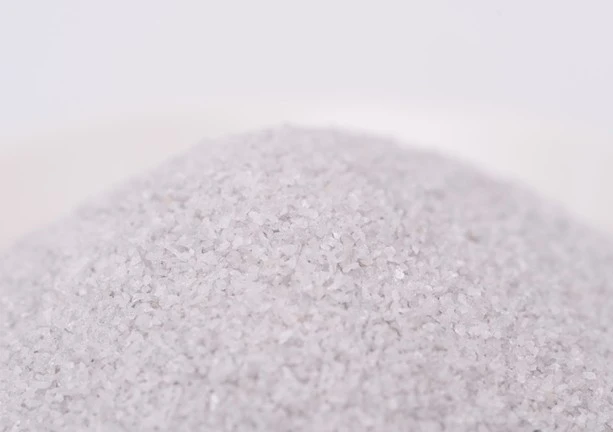
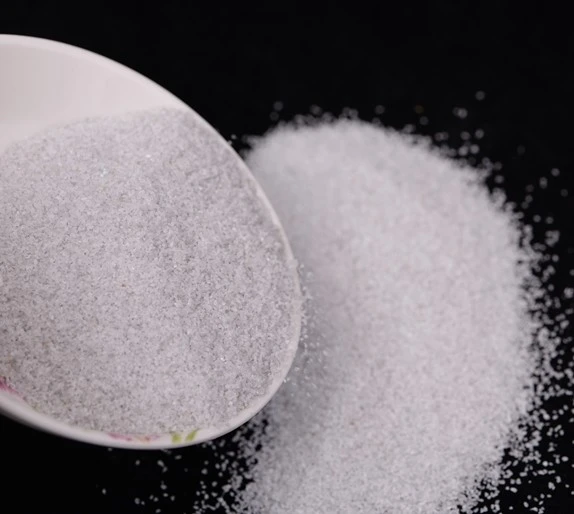
Black silicon carbide (SiC) is a compound composed of silicon and carbon. It has a crystalline structure, typically in the form of hexagonal crystals. The strong covalent bonds between silicon and carbon atoms contribute to its high hardness and chemical stability. The silicon atoms are tetrahedrally coordinated with four carbon atoms, and vice versa, creating a three - dimensional network structure. This structure is the foundation for many of its outstanding properties.
Hardness
One of the most notable properties of black silicon carbide is its extreme hardness. It has a Mohs hardness of around 9.2, which is just below that of diamond. This high hardness makes it an excellent abrasive material. In the abrasives industry, black silicon carbide is widely used in grinding wheels, sandpaper, and abrasive blasting. For example, when grinding hard materials such as ceramics, glass, and other non - ferrous metals, black silicon carbide - based abrasives can efficiently remove material and achieve a smooth surface finish. Compared with other common abrasives, its hardness allows for faster and more precise grinding operations, reducing processing time and improving productivity.
Thermal Conductivity
Black silicon carbide has excellent thermal conductivity. It can conduct heat effectively, which is crucial in many applications. In the electronics industry, for instance, it is used as a heat sink material. Heat sinks are essential components in electronic devices to dissipate the heat generated by electronic components such as microprocessors. The high thermal conductivity of black silicon carbide helps to transfer heat quickly away from the heat - generating components, preventing overheating and ensuring the stable operation of the device. Additionally, in high - temperature industrial processes, black silicon carbide can be used in refractory materials due to its ability to withstand high temperatures and conduct heat efficiently, maintaining the structural integrity of the equipment.
Chemical Stability
Black silicon carbide exhibits high chemical stability. It is resistant to corrosion by many acids and alkalis, except for hydrofluoric acid and strong alkalis at high temperatures. This chemical resistance makes it suitable for use in harsh chemical environments. In the chemical processing industry, black silicon carbide can be used in the construction of reaction vessels, pipes, and other equipment that come into contact with corrosive chemicals. For example, in the production of certain chemicals where acidic or alkaline solutions are involved, black silicon carbide components can ensure long - term durability and reliability of the equipment.
Electrical Properties
In terms of electrical properties, black silicon carbide is a semiconductor. It has a relatively high electrical resistivity compared to metals but can conduct electricity under certain conditions. This property makes it useful in some electrical applications. It can be used in varistors, which are electronic components that protect circuits from overvoltage. When the voltage across a varistor exceeds a certain threshold, the electrical resistance of black silicon carbide in the varistor decreases significantly, allowing it to conduct electricity and divert the excess current, protecting the circuit from damage.
Refractoriness
Black silicon carbide is highly refractory, meaning it can withstand extremely high temperatures without melting or deforming easily. It has a melting point of around 2700°C, which makes it suitable for use in high - temperature industrial processes. In the steel industry, for example, black silicon carbide can be used in ladles, furnaces, and other refractory linings. The refractory nature of black silicon carbide helps to maintain the high - temperature environment required for steelmaking processes, reducing heat loss and improving energy efficiency.
Applications in Different Industries
- Abrasives Industry: As mentioned earlier, black silicon carbide's high hardness makes it a popular choice for abrasive products. Grinding wheels made of black silicon carbide are used to grind various materials, including metals, ceramics, and glass. Sandpaper with black silicon carbide abrasive particles can provide a smooth and precise finish on wood and metal surfaces. Abrasive blasting with black silicon carbide can clean and prepare surfaces for painting or coating.
- Electronics Industry: The excellent thermal and electrical properties of black silicon carbide make it valuable in electronics. It is used in heat sinks, power devices, and semiconductor components. For example, in high - power electronic devices, black silicon carbide heat sinks can help to dissipate heat more effectively than traditional heat - dissipation materials, improving the performance and lifespan of the devices.
- Steel and Metallurgy Industry: In the steel industry, black silicon carbide is used as a deoxidizer and an additive in steelmaking. It can improve the quality of steel by reducing oxygen content and enhancing the mechanical properties of the steel. In addition, its high refractoriness allows it to be used in refractory materials for furnaces and other high - temperature equipment in metallurgical processes.
- Chemical Industry: Due to its chemical stability, black silicon carbide is used in chemical reactors, pipes, and valves that contact corrosive chemicals. It can resist the corrosion of many acids and alkalis, ensuring the long - term operation of chemical production equipment.
Comparison with Other Industrial Materials
- Compared to White Corundum: White corundum is also a commonly used abrasive material. While both black silicon carbide and white corundum have high hardness, black silicon carbide is more suitable for grinding non - ferrous metals and brittle materials such as glass and ceramics. White corundum is better for grinding mild steel and other ferrous metals. Additionally, black silicon carbide has better thermal conductivity and chemical stability in some environments compared to white corundum.
- Compared to White Tabular Alumina: White tabular alumina is a high - purity alumina material with good refractoriness and mechanical strength. However, black silicon carbide has higher hardness and better thermal conductivity. In applications where high - speed grinding or efficient heat dissipation is required, black silicon carbide is more advantageous.
- Compared to 63 - 125µm Magnalium Powder, MgAl, 50/50, Powder - Alloy Of Magnesium And Aluminium, Aluminium/Magnesium Alloy Powder, Various Quantities Available: Magnalium powder is an alloy powder with different properties. It is mainly used in applications where the characteristics of magnesium and aluminum alloys are needed, such as in lightweight materials and pyrotechnics. Black silicon carbide, on the other hand, is used mainly for its hardness, thermal conductivity, and chemical stability in abrasive, high - temperature, and chemical - resistant applications.
Conclusion
In summary, black silicon carbide is a material with a diverse range of properties, including high hardness, excellent thermal conductivity, chemical stability, electrical conductivity (as a semiconductor), and refractoriness. These properties make it an indispensable material in many industries, including abrasives, electronics, steelmaking, and chemicals. As a supplier of black silicon carbide, we are committed to providing high - quality products to meet the various needs of our customers. If you are interested in purchasing black silicon carbide for your specific applications or have any questions about its properties and uses, please feel free to contact us for a detailed discussion and procurement negotiation.
References
- "Industrial Ceramics and Composites: Materials, Properties and Applications" by various authors
- "Handbook of Abrasive Technology" for information on abrasive materials
- Technical papers on semiconductor and refractory materials for electrical and high - temperature applications of black silicon carbide