

What are the methods to improve the purity of Ferro Silicon?
Hey there! As a ferro silicon supplier, I've been in the game for quite a while, and one question that keeps popping up is: What are the methods to improve the purity of ferro silicon? Well, I'm here to share some insights based on my experiences and knowledge.
First off, let's understand why purity matters. High - purity ferro silicon has better performance in various applications. It can enhance the quality of steel and other alloys, making them stronger, more corrosion - resistant, and better suited for specific industrial needs. So, how can we boost that purity?
Ore Selection
The quality of the raw materials is the starting point. We need to be super picky when it comes to choosing the ores for ferro silicon production. High - grade quartz and iron ore are a must. Low - grade ores often contain a lot of impurities like aluminum, calcium, and other trace elements. By using high - grade ores, we can reduce the amount of these unwanted elements right from the start.
For example, when I'm sourcing quartz, I look for deposits with a high silicon dioxide content. The higher the percentage of silicon dioxide, the less likely there are to be other contaminants. And for iron ore, I prefer those with a high iron content and low levels of sulfur and phosphorus. This initial step can make a huge difference in the final purity of the ferro silicon.
Smelting Process Optimization
The smelting process is where the magic happens, and it's also where we can really control the purity. One key aspect is the temperature. We need to maintain an optimal temperature range during smelting. If the temperature is too low, the reaction won't be complete, and there will be unreacted materials left in the ferro silicon, which can act as impurities. On the other hand, if the temperature is too high, it can cause excessive evaporation of some elements, leading to a change in the composition and potentially introducing new impurities.
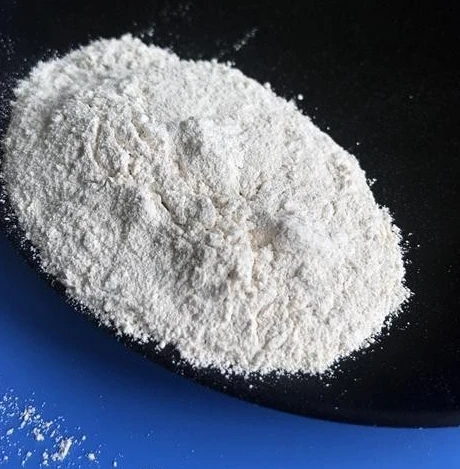
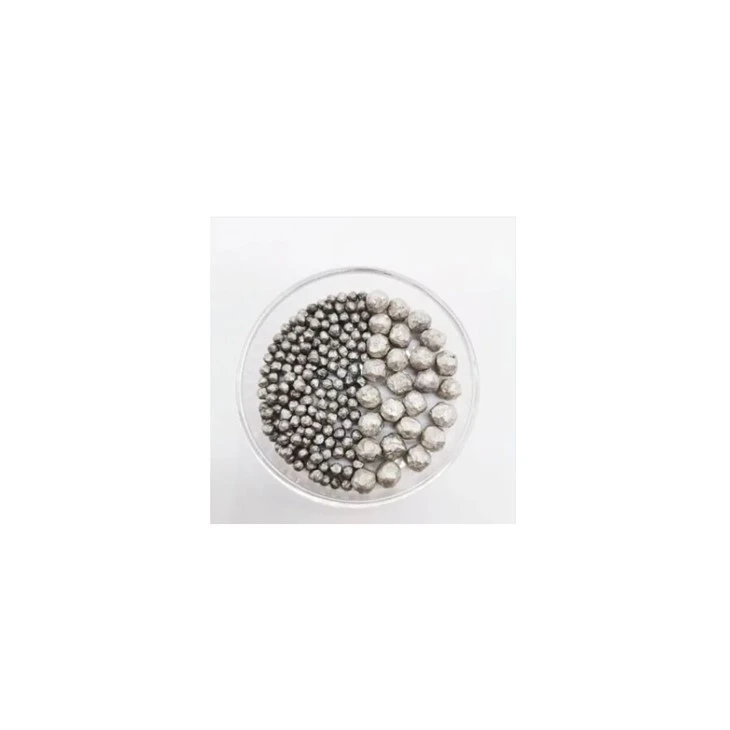
Another important factor is the use of fluxes. Fluxes are substances that help to remove impurities during smelting. For instance, limestone can be used as a flux. It reacts with some of the impurities to form slag, which can be easily separated from the molten ferro silicon. By carefully controlling the amount and type of fluxes used, we can effectively reduce the impurity levels.
Refining Techniques
After smelting, refining is the next step to further improve purity. One common refining method is slagging. This involves adding a special slag - forming agent to the molten ferro silicon. The agent reacts with the impurities to form a slag layer on top of the molten metal. We can then skim off this slag layer, taking a large portion of the impurities with it.
Another technique is vacuum refining. In a vacuum environment, some of the volatile impurities can be removed more easily. The low - pressure conditions allow these impurities to evaporate at lower temperatures. This method is especially effective for removing elements like zinc and lead.
Use of Additives
Adding certain substances can also help in improving purity. For example, magnesium can play a crucial role. Magnesium has a high affinity for sulfur and some other impurities. When added to the ferro silicon, it can react with these impurities to form compounds that can be separated more easily. You can learn more about the Properties Of Magnesium.
Magnesium desulfurizers are also a great option. They can specifically target sulfur impurities in the ferro silicon. If you want to know more about them, check out About Magnesium Desulfurizer. And if you're interested in the magnesium metal itself, here's a link to Magnesium (Mg) Metal.
Quality Control and Testing
Throughout the production process, quality control is essential. We need to regularly test the ferro silicon to check its purity. There are various testing methods available, such as chemical analysis and spectroscopy. Chemical analysis can accurately determine the content of different elements in the ferro silicon, while spectroscopy can detect even trace amounts of impurities.
By continuously monitoring the purity levels, we can make adjustments to the production process as needed. If the test results show that the purity is lower than expected, we can go back and identify where the problem lies, whether it's in the ore selection, smelting process, or refining steps.
Environmental Considerations
We also need to think about the environmental impact of our methods to improve purity. For example, some of the fluxes and additives we use may produce waste products. We need to manage these waste products properly to minimize pollution. Additionally, energy consumption during smelting and refining is a concern. By optimizing the processes, we can reduce energy usage and make our production more sustainable.
In conclusion, improving the purity of ferro silicon is a multi - step process that involves careful ore selection, optimization of the smelting and refining processes, use of additives, and strict quality control. Each step is crucial, and even small improvements at each stage can lead to a significant increase in the final purity.
If you're in the market for high - purity ferro silicon, I'd love to have a chat with you. Whether you're a steel manufacturer, an alloy producer, or someone in a related industry, we can discuss your specific needs and how our high - quality ferro silicon can meet them. Let's have a procurement talk and see how we can work together to achieve your goals.
References
- "Handbook of Ferroalloys" - A comprehensive guide on ferroalloy production and properties.
- Industry research papers on ferro silicon production processes and purity improvement techniques.