

What is the packaging method for Fused Mullite?
As a supplier of Fused Mullite, I'm often asked about the packaging methods for this high - quality refractory material. Fused Mullite is a crucial product in various industries, including steelmaking, ceramics, and glass manufacturing. Proper packaging is essential to ensure its quality during transportation and storage.
Understanding Fused Mullite
Before delving into the packaging methods, it's important to understand what Fused Mullite is. Fused Mullite is a synthetic mineral produced by melting a mixture of high - alumina bauxite and other raw materials at extremely high temperatures. It has excellent thermal stability, high refractoriness, and good chemical resistance, making it a popular choice for applications where materials are exposed to harsh environments.
Importance of Packaging
The packaging of Fused Mullite serves several important purposes. Firstly, it protects the product from physical damage during handling and transportation. Fused Mullite is a brittle material, and any impact or vibration can cause it to break into smaller pieces, which may affect its performance. Secondly, packaging helps to prevent contamination. In industrial settings, dust, moisture, and other foreign substances can easily contaminate the product, reducing its quality. Finally, proper packaging makes it easier to store and handle the product, ensuring efficient logistics.
Common Packaging Methods
1. Plastic Bags
One of the most common packaging methods for Fused Mullite is the use of plastic bags. These bags are usually made of high - density polyethylene (HDPE) or polypropylene (PP). They are available in different sizes, depending on the quantity of Fused Mullite to be packed.
Plastic bags offer several advantages. They are lightweight, which reduces the overall weight of the package and thus the transportation cost. They are also flexible, allowing them to be easily stacked and stored. Moreover, plastic bags can provide a certain degree of protection against moisture and dust. However, they may not be suitable for long - term storage in humid environments, as they may not be completely airtight.
2. Kraft Paper Bags
Kraft paper bags are another popular choice for packaging Fused Mullite. Kraft paper is a strong and durable paper made from wood pulp. It is often lined with a plastic film to enhance its moisture - resistance.
Kraft paper bags are environmentally friendly compared to plastic bags. They are biodegradable and can be recycled. They also have a good strength - to - weight ratio, which means they can hold a significant amount of Fused Mullite without tearing easily. However, they are more prone to damage from water and sharp objects compared to plastic bags.
3. Steel Drums
For larger quantities of Fused Mullite, steel drums are often used. Steel drums are extremely strong and can withstand rough handling and heavy impacts. They provide excellent protection against physical damage, moisture, and contamination.
Steel drums are usually sealed with a tight - fitting lid, which ensures that the Fused Mullite inside remains in good condition. They are also stackable, making them suitable for large - scale storage. However, steel drums are relatively heavy and expensive compared to plastic and paper bags. Additionally, they require special equipment for handling and transportation.
4. Bulk Bags (FIBCs)
Flexible Intermediate Bulk Containers (FIBCs), also known as bulk bags, are widely used for packaging Fused Mullite in large quantities. These bags are made of woven polypropylene fabric and can hold up to several tons of the product.
Bulk bags are cost - effective and easy to handle. They can be filled and emptied quickly using forklifts or other handling equipment. They also provide good protection against dust and moisture, especially if they are equipped with inner liners. However, they may not be suitable for long - distance transportation, as they are more vulnerable to damage compared to steel drums.
Factors Affecting Packaging Choice
When choosing the packaging method for Fused Mullite, several factors need to be considered.
1. Quantity
The quantity of Fused Mullite to be packed is a major factor. For small quantities, plastic or paper bags may be sufficient. However, for large - scale production and transportation, steel drums or bulk bags are more appropriate.
2. Transportation Distance
If the Fused Mullite needs to be transported over a long distance, more robust packaging such as steel drums is recommended. This is because long - distance transportation involves more handling and vibration, which can increase the risk of damage.
3. Storage Conditions
The storage conditions also play an important role in packaging selection. If the product will be stored in a humid environment, moisture - resistant packaging such as plastic - lined kraft paper bags or steel drums should be used.
4. Customer Requirements
Some customers may have specific packaging requirements based on their own handling and storage facilities. For example, a customer with limited space may prefer stackable packaging such as steel drums or bulk bags.
Our Company's Packaging Strategy
As a Fused Mullite supplier, we understand the importance of proper packaging. We offer a variety of packaging options to meet the different needs of our customers.
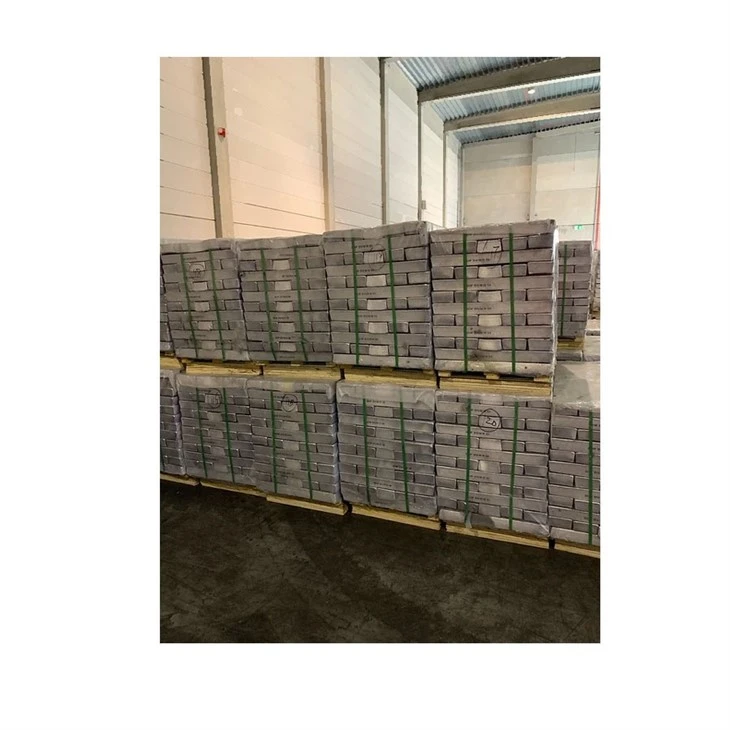
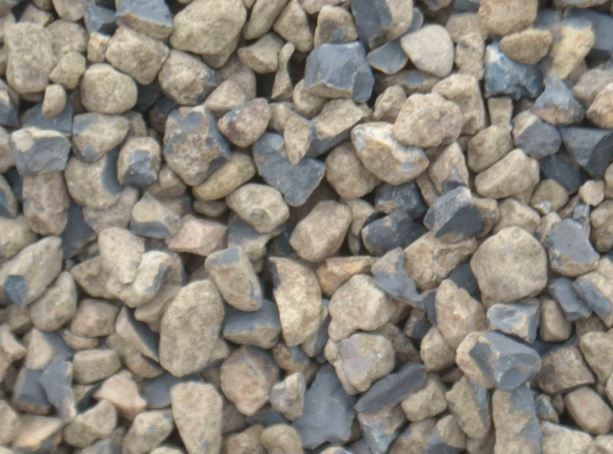
For small - scale orders, we usually use plastic or kraft paper bags. These bags are carefully sealed to ensure the product's quality during transportation. For larger orders, we provide steel drums or bulk bags. Our steel drums are made of high - quality steel and are designed to withstand the rigors of long - distance transportation. Our bulk bags are equipped with inner liners to provide extra protection against moisture and dust.
In addition to providing high - quality packaging, we also pay attention to the environmental impact of our packaging materials. We are constantly exploring more sustainable packaging solutions, such as using biodegradable plastics and recycled paper.
Related Products
If you are interested in other refractory materials, we also offer Magnesium Mg90 (80 - 100 Tons), which has excellent refractory properties. Another product worth considering is Calcined Bauxite, which has several advantages in our company. We also have Zirmolide, a unique refractory material with special properties.
Contact Us for Procurement
If you are in the market for Fused Mullite or any of our other refractory products, we invite you to contact us for procurement discussions. Our team of experts is ready to provide you with detailed information about our products, packaging options, and pricing. We are committed to providing high - quality products and excellent customer service. Let's work together to meet your refractory material needs.
References
- ASTM International. (20XX). Standard specifications for refractory materials.
- Refractory Industry Handbook. (20XX). A comprehensive guide to refractory products and applications.
- Journal of Refractory Materials. Various issues related to the production, properties, and packaging of refractory materials.