

What are the potential substitutes for Ferro Silicon?
As a Ferro Silicon supplier, I've witnessed firsthand the ever - evolving nature of the alloy market. Ferro Silicon, a ferroalloy composed of iron and silicon, is widely used in the steel and foundry industries for deoxidation, desulfurization, and as an inoculant. However, due to various factors such as fluctuating raw material prices, environmental concerns, and the need for specialized properties, there is a growing interest in potential substitutes for Ferro Silicon. In this blog, I'll explore some of these alternatives and their suitability for different applications.
1. Silicon Metal
Silicon metal is perhaps the most obvious substitute for Ferro Silicon in many applications. It is a purer form of silicon, typically containing 97 - 99% silicon. Silicon metal can be used in the steelmaking process for deoxidation, similar to Ferro Silicon. It has the advantage of providing a higher silicon content, which can be beneficial for applications where a high silicon level is required.
In the production of high - silicon steels, silicon metal can be added directly to the melt. The high purity of silicon metal also reduces the risk of introducing unwanted impurities into the steel, which can improve the quality of the final product. However, silicon metal is generally more expensive than Ferro Silicon. This cost difference can be a significant factor, especially for large - scale industrial applications.
2. [Magnesium - Aluminum, (Magnalium) -200+325 Mesh + Turnings](/alloy/magnesium - aluminum - magnalium - 200 - 325 - mesh.html)
Magnalium is an alloy of magnesium and aluminum. It has unique properties that make it a potential substitute for Ferro Silicon in certain applications. Magnalium is lightweight, corrosion - resistant, and has good mechanical properties. In the foundry industry, it can be used as an inoculant or a deoxidizer.
When used as an inoculant, Magnalium can refine the grain structure of castings, improving their mechanical properties such as strength and ductility. Its low density also makes it suitable for applications where weight reduction is a priority, such as in the aerospace and automotive industries. However, Magnalium has a lower silicon content compared to Ferro Silicon. This means that it may not be suitable for applications where a high silicon level is required for specific properties like high - temperature resistance.
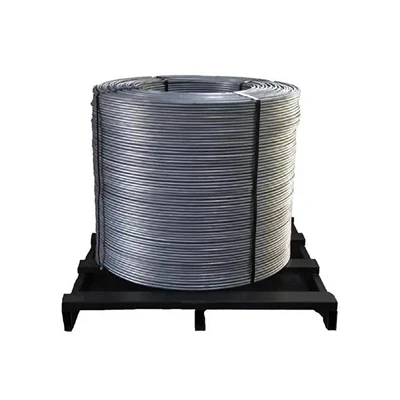
3. CORED WIRES
Cored wires are another alternative to Ferro Silicon. These wires are typically filled with various alloying elements and can be used in the steelmaking process. Cored wires offer several advantages. They can provide a more precise and controlled addition of alloying elements to the steel melt. This is because the cored wire can be fed directly into the molten steel at a specific rate, ensuring a uniform distribution of the alloying elements.
Cored wires can be customized to contain different combinations of elements depending on the specific requirements of the steel. For example, they can be filled with silicon, calcium, and other elements to achieve deoxidation, desulfurization, and inclusion modification simultaneously. However, the production and use of cored wires require specialized equipment and processes. This can increase the initial investment and operational costs for steel manufacturers.
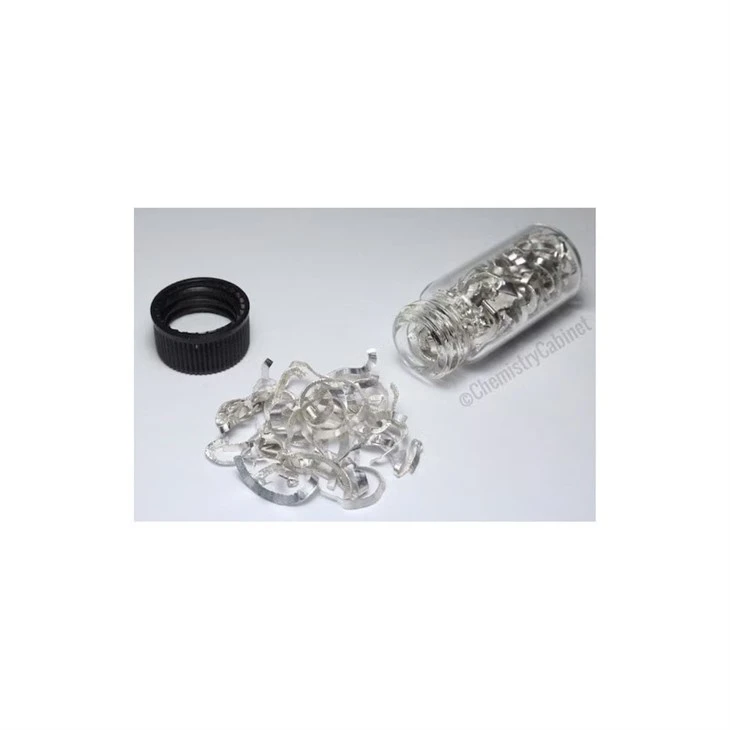
4. [Magnesium Fragments (Mg, Purity :99.9%, Size: 2.5mm)](/alloy/magnesium - fragments - mg - purity - 99 - 9 - size - 2.5mm.html)
Magnesium fragments can also serve as a substitute for Ferro Silicon in some applications. Magnesium is a strong deoxidizer and desulfurizer. In the steelmaking process, it can react with oxygen and sulfur in the molten steel to form magnesium oxide and magnesium sulfide, which can be removed from the melt.
Magnesium fragments can be added directly to the steel melt or used in combination with other alloying elements. They can improve the cleanliness of the steel and enhance its mechanical properties. However, magnesium is highly reactive and has a low boiling point. This makes it challenging to handle and control during the steelmaking process. Special precautions need to be taken to ensure the safe and effective use of magnesium fragments.
5. Ferrosilicon - Aluminum Alloys
Ferrosilicon - aluminum alloys are a combination of iron, silicon, and aluminum. These alloys can offer a balance between the properties of Ferro Silicon and aluminum. They can be used in the steel and foundry industries for similar purposes as Ferro Silicon, such as deoxidation and inoculation.
The addition of aluminum to the alloy can improve the fluidity of the molten metal, which is beneficial for casting processes. Ferrosilicon - aluminum alloys can also enhance the surface quality of castings and reduce the formation of defects. However, the production of these alloys requires careful control of the alloy composition to ensure consistent properties.
Considerations for Choosing Substitutes
When considering substitutes for Ferro Silicon, several factors need to be taken into account.
Cost
As mentioned earlier, cost is a significant factor. The price of the substitute material, as well as the cost of the processing and equipment required for its use, need to be compared with the cost of using Ferro Silicon. For large - scale industrial applications, even a small difference in cost per unit can result in significant savings over time.
Performance
The performance of the substitute material in the specific application is crucial. It needs to be able to achieve the same or better results as Ferro Silicon in terms of deoxidation, desulfurization, grain refinement, and other functions. The mechanical, physical, and chemical properties of the substitute material should be compatible with the requirements of the final product.
Availability
The availability of the substitute material is also an important consideration. Some materials may be subject to supply shortages or have limited production capacity. This can lead to delays in production and increased costs if alternative sources need to be found.
Environmental Impact
In today's environmentally conscious world, the environmental impact of the substitute material is becoming increasingly important. Some materials may have a lower carbon footprint or produce less waste during the production process. Choosing a more environmentally friendly substitute can not only meet regulatory requirements but also enhance the company's reputation.
Conclusion
In conclusion, while Ferro Silicon has been a staple in the steel and foundry industries for many years, there are several potential substitutes available. Silicon metal, [Magnesium - Aluminum, (Magnalium) -200+325 Mesh + Turnings](/alloy/magnesium - aluminum - magnalium - 200 - 325 - mesh.html), CORED WIRES, [Magnesium Fragments (Mg, Purity :99.9%, Size: 2.5mm)](/alloy/magnesium - fragments - mg - purity - 99 - 9 - size - 2.5mm.html), and Ferrosilicon - aluminum alloys each have their own advantages and disadvantages.
As a Ferro Silicon supplier, I understand that every customer's needs are unique. Whether you are looking to reduce costs, improve product quality, or meet environmental requirements, we can work together to find the most suitable solution for your specific application. If you are interested in exploring these substitutes or have any questions about Ferro Silicon, please feel free to contact us for a detailed discussion and potential procurement.
References
- "The Science and Technology of Ferrous Metallurgy" by John Chipman
- "Handbook of Steelmaking" by George E. Totten
- "Alloying Elements in Steel" by H. K. D. H. Bhadeshia