

What are the raw materials needed for High Carbon Ferro Manganese production?
Hey there! As a supplier of High Carbon Ferro Manganese, I often get asked about the raw materials needed for its production. So, I thought I'd write this blog to break it all down for you.
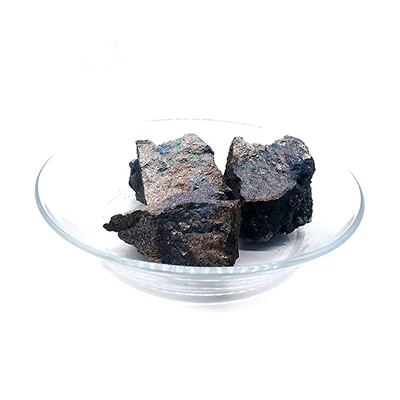
First off, let's talk about what High Carbon Ferro Manganese is. It's an important alloy used in the steel industry. The high carbon content gives it unique properties that make it great for enhancing the strength and hardness of steel. You can learn more about it here: High Carbon Ferro Manganese.
Now, onto the raw materials.
Manganese Ore
Manganese ore is the primary raw material for High Carbon Ferro Manganese production. It's the source of the manganese element, which is a key component of the alloy. Manganese ore comes in different grades and qualities. The higher the manganese content in the ore, the better it is for production.
There are several types of manganese ores, such as pyrolusite, psilomelane, and rhodochrosite. Pyrolusite is one of the most common and valuable manganese ores because it has a high manganese content. When we source manganese ore, we look for deposits that are rich in this mineral.
The quality of the manganese ore also affects the production process. If the ore has a lot of impurities, it can make the smelting process more difficult and less efficient. That's why we always work with reliable mining partners to ensure we get high - quality manganese ore.
Coke
Coke is another crucial raw material. It serves as a reducing agent and a source of carbon in the production of High Carbon Ferro Manganese. During the smelting process, coke reacts with the manganese ore to reduce the manganese oxides to metallic manganese.
Coke is made by heating coal in the absence of air. This process drives off volatile substances and leaves behind a hard, porous material with a high carbon content. The quality of coke is important. Good - quality coke has a high fixed - carbon content, low ash content, and good reactivity.
A high fixed - carbon content means that there is more carbon available for the reduction reaction. Low ash content is essential because ash can contaminate the final product. And good reactivity ensures that the coke can react efficiently with the manganese ore during smelting.
Iron Ore
Iron ore is added to the mix to provide the iron component of High Carbon Ferro Manganese. Just like with manganese ore, the quality of iron ore matters. We need iron ore with a high iron content and low levels of impurities.
There are different types of iron ores, such as hematite, magnetite, and limonite. Hematite is a popular choice because it has a high iron content and is relatively easy to process. When we add iron ore to the production process, it combines with the manganese to form the alloy.
The ratio of iron ore to manganese ore is carefully controlled to achieve the desired composition of High Carbon Ferro Manganese. This ratio can vary depending on the specific requirements of the end - product.
Fluxes
Fluxes are used in the production of High Carbon Ferro Manganese to remove impurities and improve the fluidity of the slag. Common fluxes include limestone and dolomite.
Limestone (calcium carbonate) decomposes during the smelting process to form calcium oxide. Calcium oxide then reacts with impurities such as silica and alumina to form a slag. This slag can be easily separated from the molten alloy.
Dolomite, which contains both calcium and magnesium carbonates, also serves a similar purpose. It helps in the removal of impurities and improves the overall efficiency of the smelting process.
Other Additives
Sometimes, we may also use other additives in the production process. For example, Ferro Silicon can be added to adjust the silicon content of the High Carbon Ferro Manganese. Silicon can improve the fluidity of the alloy and enhance its mechanical properties.
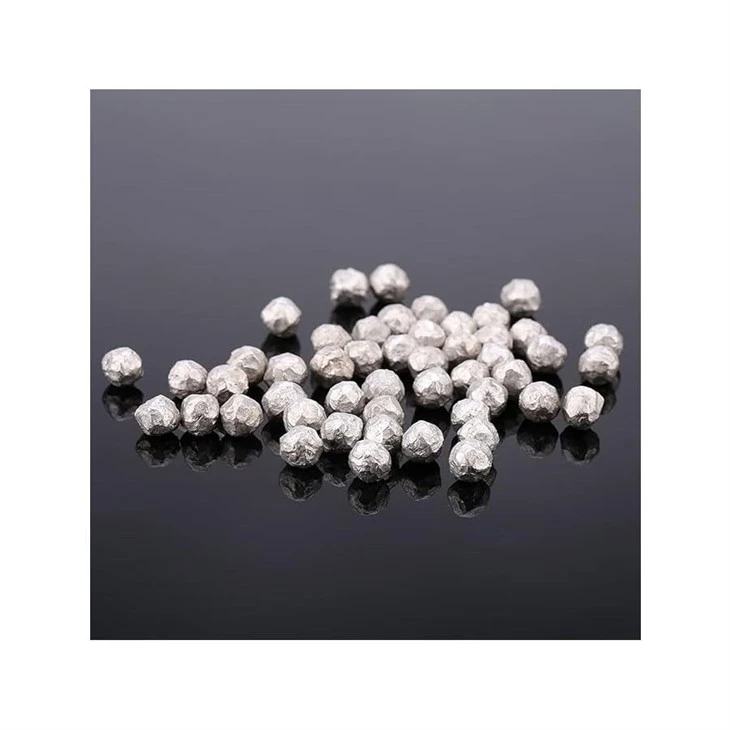
Magnesium can also be an additive in some cases. You can check out this 500g/17.6oz Magnesium Shavings Magnesium Metal Pure 99.99% Emergency Fire Starter For Camping Hiking Bushcraft BBQ for an example of pure magnesium. In the production of High Carbon Ferro Manganese, magnesium can help in desulfurization and improve the quality of the final product.
The Production Process
Once we have all the raw materials ready, the production of High Carbon Ferro Manganese starts with the smelting process. The raw materials are loaded into a furnace, usually a submerged - arc furnace.
In the furnace, the coke reacts with the manganese and iron ores at high temperatures. The heat melts the ores and the fluxes, and the chemical reactions take place. The reducing agents in the coke convert the metal oxides in the ores into their metallic forms.
The slag, which contains the impurities and the products of the flux reactions, floats on top of the molten alloy. It can be removed easily, leaving behind the High Carbon Ferro Manganese alloy.
After the smelting process, the alloy is refined to further improve its quality. This may involve additional steps such as desulfurization, dephosphorization, and adjusting the chemical composition.
Why Choose Our High Carbon Ferro Manganese
As a supplier, we take pride in the quality of our High Carbon Ferro Manganese. We source the best raw materials from reliable suppliers around the world. Our production process is carefully monitored to ensure that we meet the highest quality standards.
We understand the importance of consistency in the steel industry. That's why we have strict quality control measures in place. Every batch of our High Carbon Ferro Manganese is tested to ensure that it has the right chemical composition and physical properties.
If you're in the market for High Carbon Ferro Manganese, we'd love to have a chat with you. Whether you're a small - scale steel producer or a large industrial company, we can provide you with the right product at a competitive price. Contact us to start a discussion about your specific requirements and let's see how we can work together.
References
- Principles of Extractive Metallurgy by P. C. Gupta and D. S. Mukherjee
- The Iron and Steel Industry: A Global Perspective by Robert P. G. Stevens
So, that's a wrap on the raw materials needed for High Carbon Ferro Manganese production. If you have any questions or want to know more, feel free to reach out!