

How does Fused Mullite compare to sintered mullite?
In the realm of refractory materials, mullite stands out as a crucial component due to its exceptional properties such as high refractoriness, low thermal expansion, and excellent thermal shock resistance. Two common forms of mullite are fused mullite and sintered mullite. As a supplier of fused mullite, I am often asked about how fused mullite compares to sintered mullite. In this blog post, I will delve into the characteristics, production processes, applications, and performance of these two types of mullite to provide a comprehensive comparison.
Production Processes
The production processes of fused mullite and sintered mullite are fundamentally different, which significantly influence their final properties.
Fused Mullite
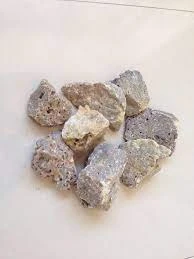
Fused mullite is produced through an electric arc furnace melting process. High - purity raw materials such as bauxite, alumina, and silica are carefully selected and mixed in specific proportions. These raw materials are then fed into an electric arc furnace, where they are subjected to extremely high temperatures, typically above 2000°C. At this high temperature, the raw materials melt and react to form a homogeneous liquid phase. After melting, the liquid is rapidly cooled, which results in the formation of a dense, crystalline structure. This rapid cooling process helps to trap the desired mullite phase and prevent the formation of unwanted phases. The production of fused mullite allows for a high degree of control over the chemical composition and crystal structure, resulting in a product with consistent quality.
Sintered Mullite
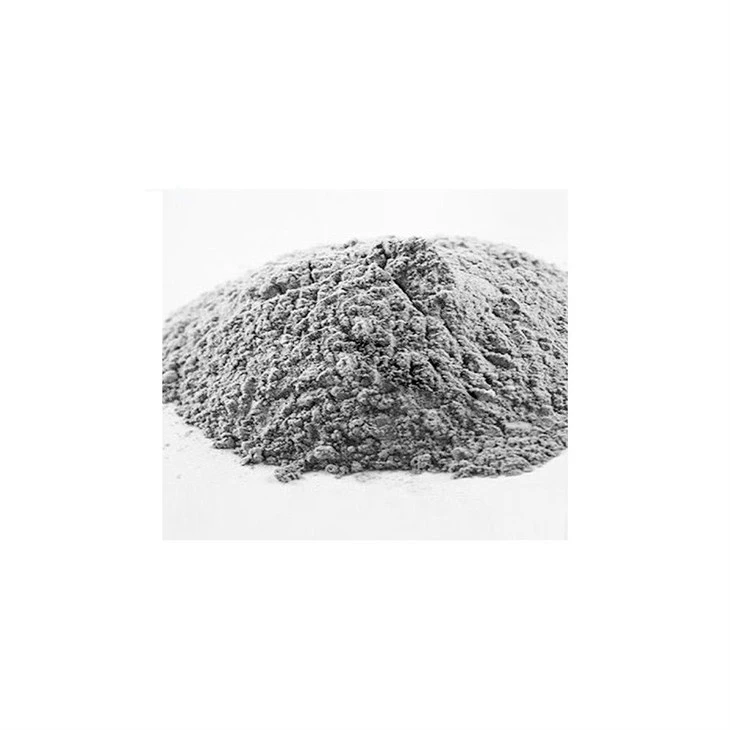
Sintered mullite, on the other hand, is produced by a sintering process. First, the raw materials are ground into fine powders and mixed. The powder mixture is then formed into a desired shape, such as bricks or granules, through methods like pressing or extrusion. After shaping, the green bodies are heated in a kiln at high temperatures, usually in the range of 1600 - 1800°C. During the sintering process, the particles in the green bodies bond together through diffusion, which leads to densification. However, the sintering process is relatively slower compared to the melting process of fused mullite, and it may not achieve the same level of density as fused mullite. Additionally, the presence of pores is more common in sintered mullite, which can affect its performance in certain applications.
Physical and Chemical Properties
The differences in production processes lead to distinct physical and chemical properties between fused mullite and sintered mullite.
Density
Fused mullite generally has a higher density than sintered mullite. The rapid cooling during the production of fused mullite results in a more compact and dense structure. A higher density often means better mechanical strength and resistance to wear and corrosion. For example, in applications where the material is subjected to high - pressure or abrasive forces, fused mullite's higher density gives it an advantage.
Pore Structure
Sintered mullite typically has a more porous structure compared to fused mullite. The pores in sintered mullite can act as pathways for the penetration of gases and liquids, which may reduce its resistance to chemical attack and thermal shock in some cases. In contrast, the low porosity of fused mullite makes it more resistant to the ingress of corrosive substances and provides better protection against thermal cycling.
Chemical Purity
Fused mullite can achieve a higher level of chemical purity. The melting process allows for better separation of impurities, as the impurities can be removed during the melting and refining stages. Sintered mullite may retain some impurities from the raw materials, which can affect its performance in high - purity applications. For instance, in applications where chemical reactions need to be precisely controlled, such as in the semiconductor industry, the high purity of fused mullite is highly desirable.
Performance in Applications
The different properties of fused mullite and sintered mullite make them suitable for different applications.
High - Temperature Applications
In high - temperature environments, both fused mullite and sintered mullite can be used. However, fused mullite is often preferred in applications where extremely high temperatures and severe thermal shock are involved. For example, in the lining of steelmaking furnaces, the high density and low porosity of fused mullite provide excellent resistance to the high - temperature molten steel and slag. Sintered mullite can also be used in some less severe high - temperature applications, such as in the kilns for ceramic production, where the temperature requirements are relatively lower.
Abrasion - Resistant Applications
Fused mullite's high density and hardness make it an ideal choice for abrasion - resistant applications. It can be used in the manufacturing of grinding wheels, where it can withstand the high - speed friction and wear. Sintered mullite may not be as effective in such applications due to its relatively lower density and more porous structure, which can lead to faster wear.
Insulation Applications
Sintered mullite's porous structure gives it better insulation properties compared to fused mullite. In applications where thermal insulation is required, such as in the insulation of industrial furnaces, sintered mullite can be a cost - effective choice. The pores in sintered mullite act as barriers to heat transfer, reducing the amount of heat loss from the furnace.
Cost Considerations
Cost is an important factor in the selection of mullite materials. Generally, fused mullite is more expensive than sintered mullite. The higher cost of fused mullite is mainly due to the energy - intensive melting process and the need for high - purity raw materials. Sintered mullite, with its relatively simpler production process and less strict raw material requirements, is more cost - effective. However, in applications where the performance of fused mullite is crucial, the additional cost may be justified by the improved performance and longer service life.
Conclusion
In conclusion, both fused mullite and sintered mullite have their own unique advantages and disadvantages. Fused mullite offers high density, low porosity, high chemical purity, and excellent performance in high - temperature and abrasion - resistant applications, but it comes at a higher cost. Sintered mullite, on the other hand, has better insulation properties and is more cost - effective, but it may have limitations in terms of density, porosity, and purity. As a supplier of fused mullite, I understand the specific needs of different industries and applications. Whether you need a high - performance material for a demanding application or a cost - effective solution for a less critical application, I can provide you with the appropriate advice and products.
If you are interested in learning more about fused mullite or would like to discuss your specific requirements, please feel free to contact me for procurement and negotiation. We are committed to providing you with the best quality fused mullite products and excellent customer service.
References
- Schneider, H., & Pirkl, R. (2008). Refractories Handbook. Wiley - VCH Verlag GmbH & Co. KGaA.
- Zhang, L., & Guo, Z. (2015). Advances in Refractory Materials. Elsevier.
For more information about related products, you can visit the following links: